Galangal – extraordinary healing power, uses, and recipes


Table of Contents 4
Medical & Editorial Disclaimer (§3 Terms): This article is for informational and educational purposes only, does not constitute medical advice, diagnosis, or treatment, and is used at your own risk. Consult a qualified physician for medical conditions.
Scientific evaluations of galangal reveal a diverse phytochemical profile capable of exerting protective biological activities. Bioactive components within the rhizome demonstrate significant antioxidant properties that help neutralize free radicals, alongside notable antimicrobial activity. Within the gastrointestinal tract, galangal extracts contribute to mucosal barrier protection, mitigating discomfort associated with sluggish digestion, bloating, and dyspepsia. These combined physiological mechanisms illustrate how the herb gentle supports stomach health and metabolic equilibrium.
Incorporating galangal into daily culinary routines offers a practical and flavorful approach to dietary wellness. Its vibrant, citrus-pine flavor profile elevates savory soups, broths, and traditional Asian curry preparations. By utilizing this aromatic root in home cooking, individuals can naturally stimulate digestive processes and enhance nutrient diversity, supporting long-term vitality as part of a balanced, health-conscious lifestyle.
Botanical profile and primary characteristics of galangal
Therapeutic potential of Alpinia galanga: A systematic review of pharmacological properties and clinical implications
Therapeutic benefits and practical health applications of galangal
Galangal in Southeast Asian cuisine – authentic, aromatic recipes
Galangal is an indispensable pillar of Thai, Indonesian, and Vietnamese culinary heritage, imparting a rich, citrus-pine resonance to savory dishes. Below are two time-tested recipes designed to highlight its unique flavor:
1. Authentic Thai Massaman Curry with Chicken and Galangal
Ingredients: 400 g diced chicken breast, 400 ml coconut milk, 2 medium potatoes (cubed), 3 cm fresh galangal root (thinly sliced), 2 tbsp Massaman curry paste, 1 shallot, 2 tbsp roasted peanuts, 1 tbsp fish sauce, 1 tsp palm sugar.
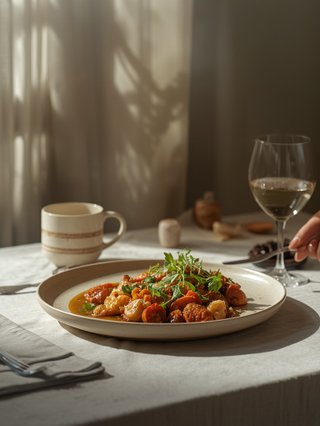
Preparation: In a deep wok, heat 3 tablespoons of thick coconut cream and gently sauté the curry paste with the sliced galangal for 2 minutes until fragrant oils are released. Add chicken pieces and sear on all sides. Pour in the remaining coconut milk, add potatoes and sliced shallot. Simmer gently for approximately 20 minutes until potatoes are tender. Season with fish sauce and palm sugar, and sprinkle roasted peanuts on top just before serving alongside steamed jasmine rice.
2. Coconut-Braised Potatoes with Galangal and Lemongrass
Ingredients: 500 g baby potatoes, 250 ml coconut milk, 2 cm finely minced galangal, 1 bruised stalk of lemongrass, 1 clove garlic, 1 small red chili, pinch of sea salt, fresh cilantro.
Preparation: Lightly sauté the garlic, galangal, and chili in a pan. Add halved potatoes and the bruised lemongrass stalk. Pour in coconut milk and braise covered over low heat for 25 minutes. Discard lemongrass, season to taste with sea salt, and garnish with fresh cilantro.
Want to apply these guidelines in your daily diet?
Our smart diet generator creates a tailored meal plan in 3 minutes based on the recommendations in this article.
Tags

Mia Hoffmann
• 23.10.2026Diets Premium Expert
Diets Premium team expert. Specializes in nutrition plans, strength sports, and training plans.