PRO
8 min read
Products Worth Considering in the Summer Season

1 photo
399
Smart Voice
AI
0:00
0:00
Listen to the article content live
Table of Contents 7
PRO Content
PRO
This article is professional premium content (PRO) provided in its entirety.
Every season brings a series of changes in the environment that also impact people, who adapt not only their clothing and daily schedule but also their diet. Summer is a period of long days, high temperatures, and ripening and harvesting of numerous types of fruits and vegetables. Is it possible to take advantage of these conditions when creating a summer menu?
01 / 07
The variations in dietary preferences contingent upon the seasons
Despite the fact that the recommendations regarding the body's nutrient needs and the recommended diet remain consistent throughout the year, the results of scientific studies allow us to observe certain changes in dietary preferences depending on the season. They indicate that certain products are preferred to be consumed in the summer months - for example, fresh fruits and vegetables (such as lettuce, tomatoes, melons and berries), non-alcoholic beverages, and dairy products; while red meat, nuts, and legumes are chosen less frequently than in the winter months (R. Aparicio-Ugarriza et al. 2018; L. Jahns et al. 2016; J. E. van der Toorn et al. 2020; Z. Zhu et al. 2019). These changes may be related to both weather conditions and the availability of specific products, which should be taken into account when preparing summer meals.
02 / 07
The Seasonality of the Products
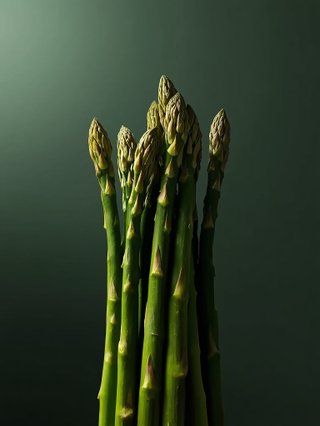
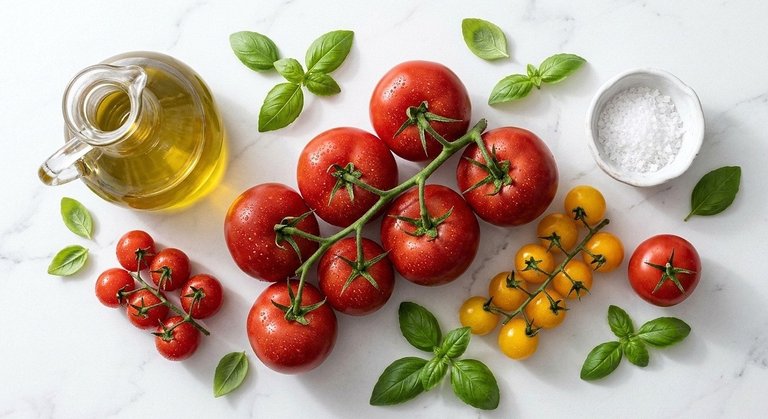
Late spring and summer are the times when most fruits and vegetables ripen and some of them are available for only a few weeks. Below are selected seasonal fruits and veggies, along with the harvest periods (and the availability of fresh produce). Vegetables: – eggplants (June-September), – beans (May-September), – cowpeas (May-July), – zucchini (May-October), – asparagus beans (July-September), – corn (July-October), – cucumbers (May-October), – tomatoes (July-September), – bell peppers (July-October), – rhubarb (May-August), – sorrel (May-October), – asparagus (May-July), – green peas (July-August). Fruits: – gooseberries (June-September), – blueberries (July-September), – peaches (July-September), – sour cherries (June-early August), – red currants (June-August), – black currants (July-August), – blueberries (July-August), – raspberries (July-October), – mirabelle plums (July-September), – apricots (July-September), – strawberries (May-June; late variety - August), – cherries (July). Given the wide availability of fresh fruits and vegetables, it is worth making them the basis of the summer menu. They are products with low energy density (that means that the kilocalorie content per 100 g is low), providing many nutritious substances: fiber, vitamins, minerals, antioxidants, and other biologically active substances. This is also a good way to implement the recommendations of the National Nutrition Center, which recommends consuming at least 400 g of vegetables and fruits daily (with a predominance of the former). Seasonal fruits and vegetables can be purchased in most stores, but in the summer, it is especially worth visiting the nearest market or small marketplace, where products from local suppliers are sold - often harvested on the same day and in accordance with the current season.
03 / 07
Lighter Meals for Hot Weather
The change in weather, particularly in the summer, often results in a change in culinary preferences. Dishes that were suitable in cooler weather, such as thick soups, broths, or goulash, may prove to be too taxing for the body, and their high temperature can lead to increased sweating. A decrease in appetite and less frequent feelings of hunger may also occur. Therefore, it is beneficial to focus on 'light' dishes with low energy density, which are served at room temperature or chilled. An excellent choice are salads made from fresh vegetables (with added sources of protein and healthy fats such as cold-pressed oils or nuts), vegetable and fruit cocktails, and those based on dairy, as well as cold soups (e.g. from beets, cucumber, or radish). From warm dishes, it is advisable to choose those made from seasonal vegetables, such as Letscho, Caponata, or Ratatouille.
04 / 07
"Fresh summer seasonings"
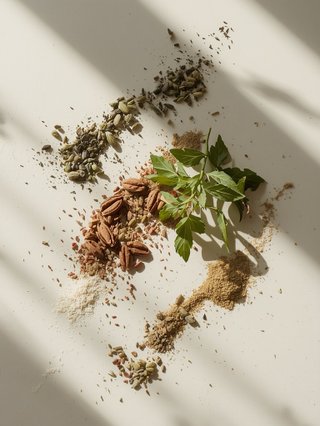
Summer is not just a period for fruits and vegetables, but also for fresh seasonings. It is a fantastic idea to establish a small garden on a parapet, balcony, or a small part of the garden where you can discover your favorite seasonings: basil, mint, oregano, thyme, rosemary, chives, parsley, cilantro, pepper, sage, and others. Their diverse taste enriches summer meals. They can be used regularly as spices or food supplements, as a base for preparing drinks or as an additive to water. It is worth drying and storing the remaining seasonings for the winter months.
05 / 07
The process of supplying fluids to the body
It is essential to provide the body with adequate fluid throughout the year, but during periods of high summer temperatures, the risk of dehydration increases even further. According to the nutritional standards of the Polish population, women's fluid demand is about 2000 ml, whereas men's is about 2500 ml. However, it should be remembered that in some situations it is higher, e.g. with increased physical activity or during heatwaves, when the amount of water and electrolytes (i.e. sodium, chloride, or potassium) lost in the skin also increases. Electrolytes are essential for the proper functioning of the body, regulating blood pressure, nerve impulse transmission, and muscle function. A deficiency of electrolytes can be compensated by drinking water, especially medium- and high-mineral water, and in cases of severe dehydration, special preparations available in pharmacies can be used. Insufficient fluid intake can negatively affect well-being and health, causing concentration and memory problems, headaches, increased body temperature, rapid breathing, heart rhythm disturbances, seizures, low blood pressure, urinary tract infections, and even heat strokes.
06 / 07
What products should be avoided during the summer season?
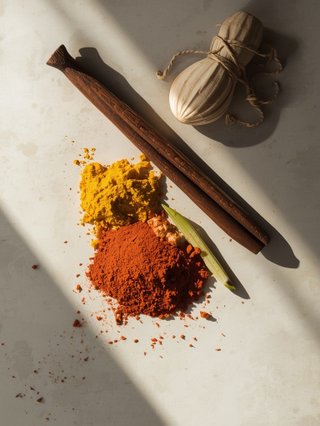
Hot products such as thick soups and dishes with spices like chili, ginger, or turmeric can increase the sensation of heat and should be avoided in the summer. Heavy dishes and fatty sauces based on cream, which can cause drowsiness on hot days and are more prone to spoilage, should also be avoided. In addition, summer is a good time to reduce meat consumption and experiment with vegetarian cuisine. The summer months are also a time for holidays and travel, so it is important to remember the principles of healthy eating during vacation. Avoid fast food and products fried in deep fat (fries, fish, meat) and choose cooked, steamed, or baked dishes with as many fresh vegetables as possible. Another product group that should appear less frequently on your menu is juices and carbonated and non-carbonated beverages. Although they can quench thirst, they also provide a lot of energy and simple sugars, which can have negative long-term effects on health and make maintaining a healthy body weight difficult. A similar rule applies to summer drinks - the addition of whipped cream, syrup, and chocolate to frozen coffee can make it a high-calorie dessert. Therefore, it is better to stick to black or milk coffee in everyday life. A healthier alternative to lemonade is water with mint and lemon. Ice cream is very popular in the summer, but it can also provide a lot of energy, sugar, and saturated fatty acids. Therefore, it is better to choose sorbet ice cream with lower energy density, and to reach for milk ice cream with nuts, raisins, chocolate, or other additives only occasionally. An alternative can also be homemade ice cream made from seasonal fruits mixed with yogurt or milk.
07 / 07
Does the summer season genuinely promote weight loss?
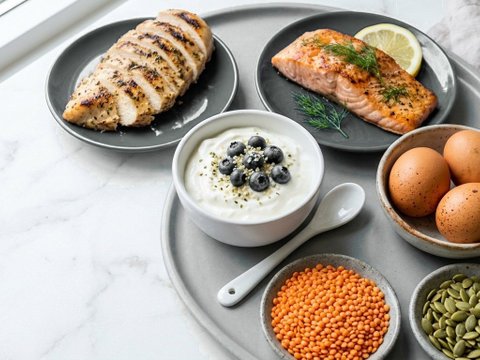
Summer is an opportune moment to make adjustments aimed at reducing caloric intake. In the summer months, there is often a transient decrease in appetite. However, it is important to note that the current energy needs of the body are similar regardless of the season and long days. The majority of studies comparing dietary habits throughout the year show no difference in the number of kilocalories consumed depending on the season. Only a Spanish study of older adults showed that the energy value of the diet in the summer was lower than in spring and fall. To plan a successful reduction in the summer, the energy needs (taking into account body weight, height, age, and physical activity) must be determined and a reducing amount set – but this must not be lower than the basal metabolic rate (BMR) of the body. Subsequently, a plan for physical activities adapted to possibilities, preferences, and health status should be considered. Meals should be based on vegetables and fruits, protein sources (such as lean meats and fish, dairy products, or legumes), complex carbohydrates (such as whole-grain cereals and pasta), and healthy fats (such as plant oils, nuts). As far as possible, the intake of sweetened beverages, desserts, sweets, salty snacks, and fried foods should be limited.
Meal Plan
Want to apply these guidelines in your daily diet?
Our smart diet generator creates a tailored meal plan in 3 minutes based on the recommendations in this article.

Scientifically reviewed by a clinical dietitian
• 23.03.2026
Aparicio-Ugarriza R. et al., Seasonal variation and diet quality among Spanish people aged over 55 years, „Journal of Physiology and Biochemistry” 2018, 74(1), 179–188. Ciborowska H., Rudnicka A., Dietetyka. Żywienie zdrowego i chorego człowieka, Warszawa 2015, 30. Jahns L. et al., Measures of Diet Quality across Calendar and Winter Holiday Seasons among Midlife Women: A 1-Year Longitudinal Study Using the Automated Self-Administered 24-Hour Recall, „Journal of the Academy of Nutrition and Dietetics” 2016, 116(12), 1961–1969. Kalendarz sezonowości, produkty-tradycyjne.pl/kalendarz (13.07.2022). Rychlik E., Woźniak A., Jarosz M., Woda i elektrolity, Normy żywienia dla populacji Polski i ich zastosowanie, pod red. Jarosza M. et al., Warszawa 2020, 316–323. van der Toorn J.E. et al., Seasonal variation of diet quality in a large middle-aged and elderly Dutch population-based cohort, „European Journal of Nutrition” 2020, 59(2), 493–504. Wolnicka K., Talerz zdrowego żywienia, ncez.pzh.gov.pl/abc-zywienia/talerz-zdrowego-zywienia/ (15.07.2022). Zhu Z. et al., The Dietary Intake and Its Features across Four Seasons in the Metropolis of China, „Journal of Nutritional Science and Vitaminology” 2019, 65(1), 52–59.
Diets Premium Expert
Diets Premium team expert. Specializes in nutrition plans, strength sports, and training plans.
USDA FoodData Central
EFSA
PubMed Clinical Guidelines