Mucus in newborn stool – potential causes
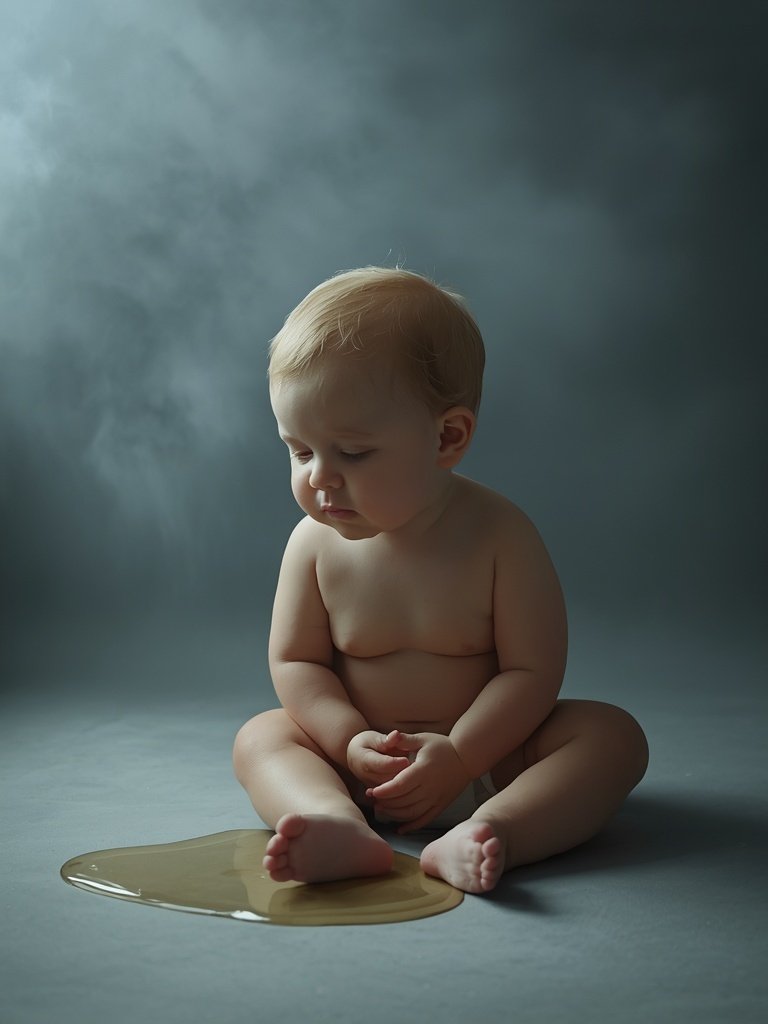
Table of Contents 2
Medical & Editorial Disclaimer (§3 Terms): This article is for informational and educational purposes only, does not constitute medical advice, diagnosis, or treatment, and is used at your own risk. Consult a qualified physician for medical conditions.
From a clinical perspective, isolated mucous discharge in fecal matter is generally considered non-pathological provided the infant maintains steady weight gain and remains free of systemic distress. However, the article also explores how mucus can sometimes point to an acute gastrointestinal infection triggered by bacterial pathogens of zoonotic origin. These microorganisms are typically transmitted through contaminated food sources—including undercooked meat, unpasteurized dairy, raw eggs, and unwashed vegetables—or via tainted water, all of which represent notable risk factors for gastrointestinal irritation.
In daily practice, parents are encouraged to focus on the child's broader health picture rather than evaluating stool appearance in isolation. Should mucous discharge coincide with warning signs such as elevated body temperature, persistent gastrointestinal disturbances, or faltering weight gain, prompt evaluation by a healthcare professional is warranted. Furthermore, maintaining strict food safety and water hygiene standards within the household plays a supportive role in safeguarding the infant's vulnerable digestive tract from environmental pathogens.
Mucous discharge in an infant’s stool: Recognizing when medical evaluation is necessary
Mucus in Stool: Potential Causes, Transmission Pathways, and Associated Risk Factors
Want to apply these guidelines in your daily diet?
Our smart diet generator creates a tailored meal plan in 3 minutes based on the recommendations in this article.

Alicja Kowalska
• 24.09.2026Diets Premium Expert
Diets Premium team expert. Specializes in nutrition plans, strength sports, and training plans.