Plant sprouts – types, uses, nutritional values, and benefits of consumption
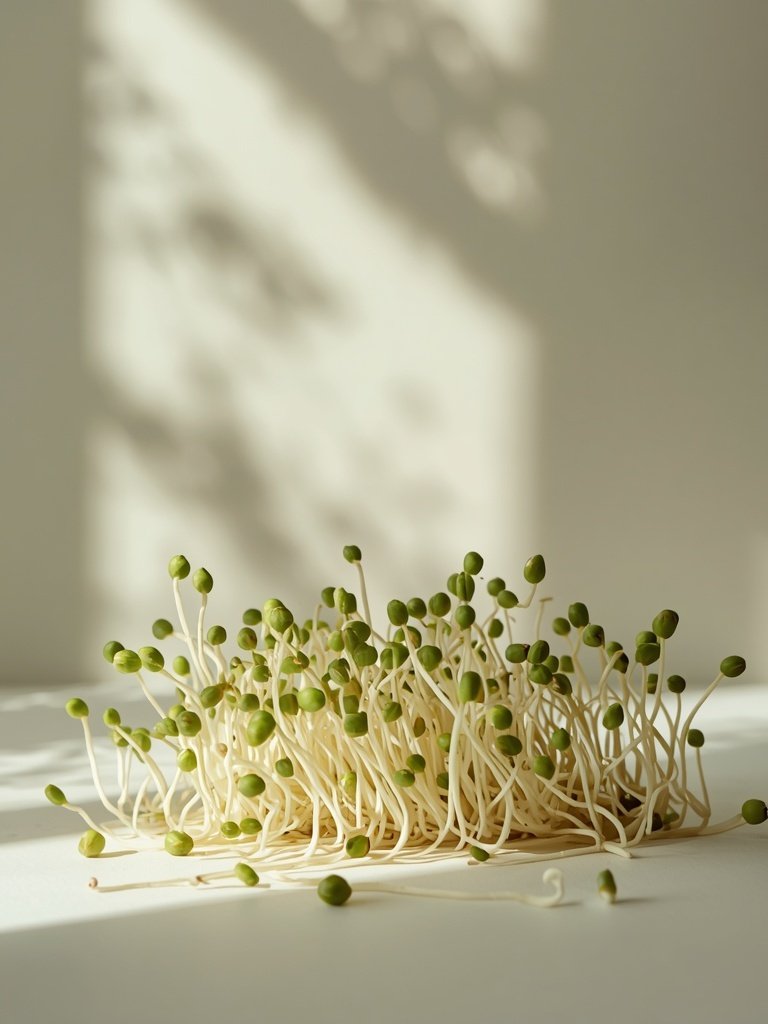
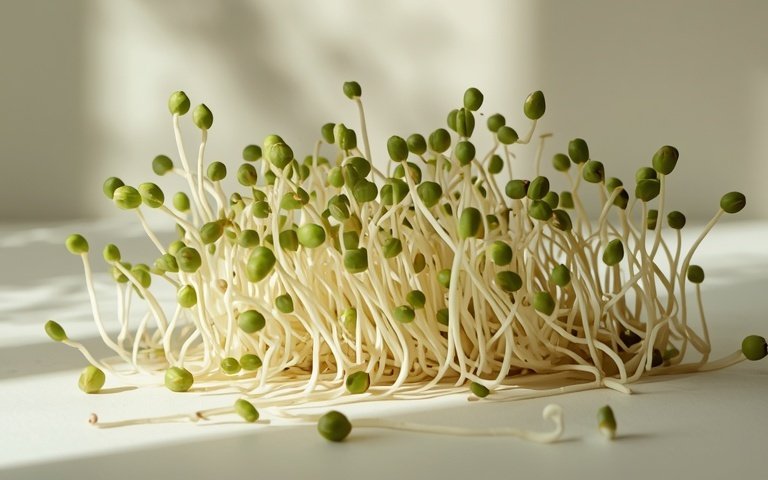
Table of Contents 3
Medical & Editorial Disclaimer (§3 Terms): This article is for informational and educational purposes only, does not constitute medical advice, diagnosis, or treatment, and is used at your own risk. Consult a qualified physician for medical conditions.
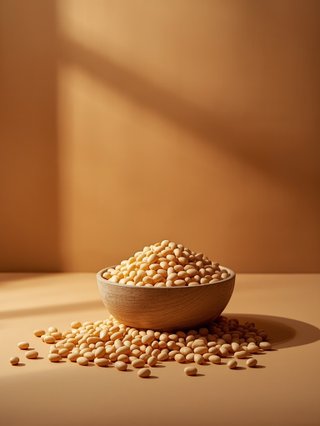
The germination process triggers profound biochemical transformations within the seed, resulting in nutrient bioavailability that surpasses that of mature vegetables or dormant grains. Sprouted seeds provide a comprehensive profile of fat-soluble compounds, including provitamin A (beta-carotene) and tocopherol, alongside water-soluble nutrients such as ascorbic acid and the B-vitamin complex. Because these micronutrients and antioxidants exist in readily absorbable forms, regular consumption contributes to normal immune defense and supports healthy metabolic regulation.
When integrating sprouts into daily meal preparation, understanding their distinct organoleptic profiles allows for optimal culinary pairing. For instance, radish sprouts offer a bold, peppery intensity reminiscent of young chives, making them an ideal complement to leafy green salads and mild fresh cheeses. Whether purchased ready-to-eat or cultivated easily at home, consuming sprouts during their earliest days of germination ensures peak nutritional density and adds fresh texture to everyday dishes.
Varieties of Sprouts and Their Culinary Applications – A Comprehensive Guide to Flavors and Usage
Sprouted seeds: a nutrient-dense superfood with enhanced bioavailability
Sprouts: An Indispensable Nutrient Powerhouse for Optimal Health and Vitality
Want to apply these guidelines in your daily diet?
Our smart diet generator creates a tailored meal plan in 3 minutes based on the recommendations in this article.

Olivia Davis
• 25.09.2026Diets Premium Expert
Diets Premium team expert. Specializes in nutrition plans, strength sports, and training plans.