Nutritional composition of flour: analysis of carbohydrate, protein, lipid, vitamin, and mineral content in flour products

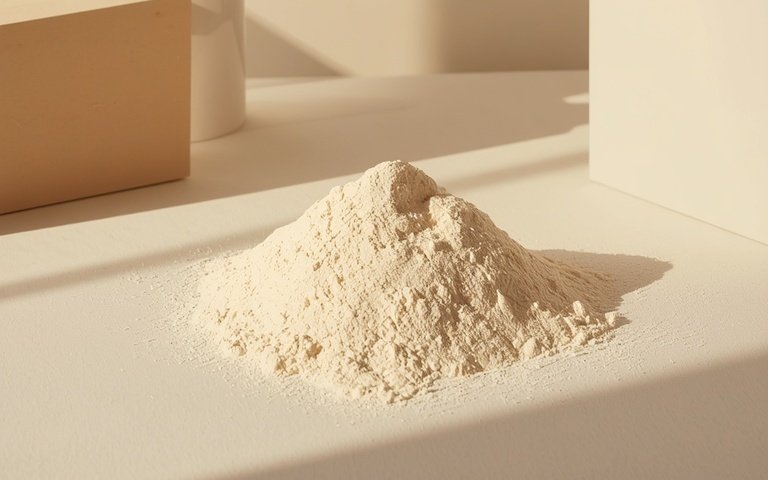
Table of Contents 4
Medical & Editorial Disclaimer (§3 Terms): This article is for informational and educational purposes only, does not constitute medical advice, diagnosis, or treatment, and is used at your own risk. Consult a qualified physician for medical conditions.
The biochemical profile is governed by complex carbohydrates that form crumb matrices during baking, alongside storage proteins that dictate dough rheology and elasticity. Furthermore, endogenous lipids and mineral-rich outer layers contribute significantly to the functional properties and overall micronutrient density of the final milled product.
In daily culinary practice, selecting between refined and whole-grain flours allows for a customized approach to fiber intake and micronutrient consumption. Because whole-grain varieties contain active germ lipids that influence shelf stability, proper storage in cool and dry environments remains essential for preserving optimal quality.
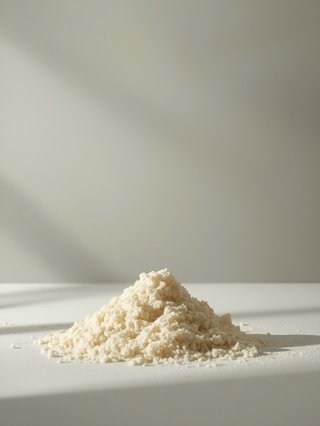
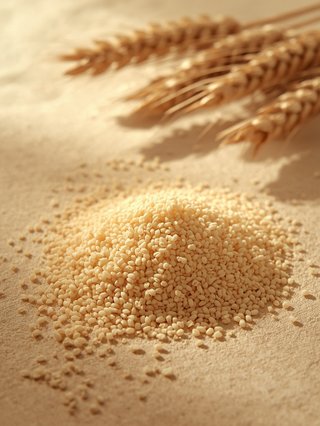
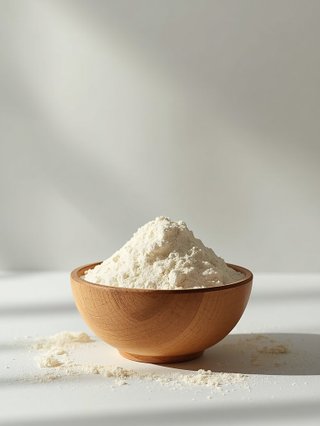
Flour serves as the indispensable cornerstone of the baking industry and domestic gastronomy, manufactured through the mechanical pulverization of cereal or pseudocereal grains. Its biochemical and functional quality is governed by the relative anatomical proportions of endosperm, germ, and fibrous pericarp bran layers. Comprehending the balance of complex carbohydrates, storage proteins, lipids, and micronutrients enables evidence-based selection tailored to individual health and metabolic goals.
Carbohydrates in Flour – Starch Polymers, Amylases, and Dietary Fiber
Carbohydrates represent the quantitatively dominant fraction of flour dry matter (65% to 75%):
- Starch architecture – composed of linear amylose (~20–25%) and highly branched amylopectin (~75–80%). During thermal baking, starch granules absorb hydration water and gelatinize to establish structural bread crumb matrices.
- Fermentable sugars – endogenous glucose, fructose, and maltose feed baker's yeast (Saccharomyces cerevisiae) and sourdough lactic acid bacteria to drive leavening.
- Dietary fiber – refined flours yield a modest 2–3 g/100 g, whereas whole-grain flours provide 10–13 g/100 g of cellulose and hemicellulose that foster digestive regularity and metabolic satiety.
Protein Fractions – Gluten Matrix Formation and Non-Gluten Proteins
Flour crude protein spans 9% to 15% and directly dictates mechanical dough rheology:
- Gluten matrix proteins (wheat) – monomeric gliadins impart dough viscosity and extensibility, while polymeric glutenins confer elasticity and tensile gas-retaining strength upon mechanical kneading.
- Endogenous enzymes – alpha- and beta-amylases hydrolyze damaged starch granules into fermentable maltose.
- Non-gluten proteins – pseudocereals and legumes yield albumins and globulins packed with essential lysine, requiring hydrocolloid binders in gluten-free baking.
Lipids and Fatty Acids – The Role of the Germ and Storage Stability
Lipids constitute a minor yet technologically crucial fraction (1% to 3%):
- Anatomical localization – lipids are primarily sequestered in the germ, which is routinely removed during white flour milling to prevent oxidative rancidity.
- Fatty acid spectrum – dominated by unsaturated linoleic and oleic acids accompanied by natural vitamin E tocopherols.
- Storage shelf life – whole-grain flours containing intact germ fats display shorter shelf stability (3–6 months) and must be safeguarded against heat and humidity.
Vitamins and Minerals – Ash Content as the Index of Flour Classification
Minerals (ash) and vitamins are predominantly concentrated within the outer pericarp bran layers:
- Essential mineral elements – magnesium, phosphorus, potassium, zinc, and iron occur at concentrations 3 to 5 times higher in whole grain than in refined flours.
- B-complex vitamins – thiamine (B1), riboflavin (B2), niacin (B3), and pyridoxine (B6), supporting neuroenergetic metabolism.
- The ash classification law – darker flours with higher type numbers reflect proportionately superior vitamin and mineral retention.
Want to apply these guidelines in your daily diet?
Our smart diet generator creates a tailored meal plan in 3 minutes based on the recommendations in this article.
Tags

Kacper Nowak
• 23.10.2026Diets Premium Expert
Diets Premium team expert. Specializes in nutrition plans, strength sports, and training plans.