Caring for the key muscle in the body – the heart! Physiology, cardioprotection, and cardiac training


Table of Contents 4
Medical & Editorial Disclaimer (§3 Terms): This article is for informational and educational purposes only, does not constitute medical advice, diagnosis, or treatment, and is used at your own risk. Consult a qualified physician for medical conditions.
An examination of myocardial mechanics reveals that cardiac cells possess an exceptionally high density of mitochondria, relying almost exclusively on oxidative phosphorylation to generate continuous cellular energy. Pathological states such as atherogenesis and endothelial dysfunction often stem from systemic inflammation, elevated blood pressure, and the subendothelial accumulation and oxidation of lipoproteins. To counteract these vascular risks, cardioprotective nutritional patterns like the Mediterranean diet emphasize nutrient-dense foods rich in botanical biophenols, healthy monounsaturated fats, and vital minerals that support optimal vascular tone.
Sustaining cardiorespiratory fitness in daily life involves maintaining consistent aerobic conditioning at a moderate intensity to enhance stroke volume and cardiac efficiency, complemented by structured interval training to elevate overall physical resilience. Alongside regular movement, prioritizing restorative sleep and effective stress reduction helps harmonize autonomic nervous system function. By integrating these holistic habits, individuals can proactively support long-term cardiovascular vitality and overall well-being.
When individuals contemplate physical fitness and muscular conditioning, attention is disproportionately directed toward skeletal muscle groups—biceps, quadriceps, or abdominal musculature. Yet the single most vital, relentlessly contracting muscle in the human body is the myocardium, beating approximately 100,000 times each day to circulate thousands of liters of oxygenated blood. Cardiovascular diseases remain the leading global cause of premature mortality. This comprehensive guide details cardiac physiology, vascular endothelium preservation, cardioprotective nutritional science, and tailored exercise prescriptions to maximize cardiovascular longevity.
Myocardial Physiology: Understanding Cardiac Biomechanics
The myocardium is histologically and bioenergetically distinct from skeletal muscle. Composed of striated cardiomyocytes interconnected by intercalated discs containing gap junctions, it operates as a functional syncytium driven by an intrinsic electrical conduction system spearheaded by the sinoatrial node. Cardiomyocytes exhibit an immense mitochondrial volume density, generating massive amounts of ATP almost exclusively via oxidative phosphorylation, predominantly utilizing circulating non-esterified fatty acids (60–70%) alongside glucose and lactate. Sustained coronary arterial perfusion is paramount for uncompromised cellular respiration.
Cardiovascular Pathologies: Atherogenesis, Hypertension, and Inflammation
Atherogenesis represents the predominant pathology threatening cardiac viability, initiated by endothelial dysfunction secondary to systemic hypertension, tobacco exposure, chronic hyperglycemia, and elevated circulating apolipoprotein B-containing lipoproteins (LDL, VLDL). Subendothelial retention of LDL particles leads to oxidation (ox-LDL), provoking recruitment of monocyte-derived macrophages that transform into foam cells. Progressive fibrous cap thinning and subsequent plaque rupture trigger acute coronary thrombosis, manifesting clinically as myocardial infarction.
Cardioprotective Nutrition: Mediterranean and DASH Diet Principles
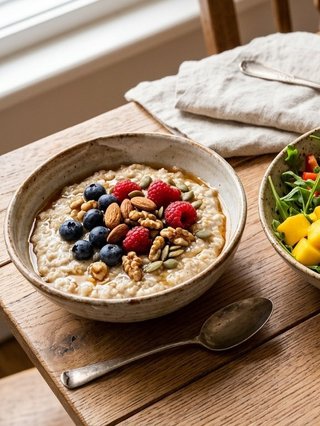
Robust clinical trials, including the landmark PREDIMED study, unequivocally confirm the cardioprotective efficacy of the Mediterranean and DASH dietary patterns. These nutritional frameworks prioritize extra virgin olive oil—rich in oleic acid and antioxidant biophenols—alongside diverse vegetables, berries, legumes, whole grains, and tree nuts. Crucially, long-chain marine omega-3 fatty acids (EPA and DHA) attenuate dysrhythmias and lower triglycerides, while dietary potassium and magnesium modulate vascular tone and blood pressure against excess sodium.
Aerobic Conditioning and Recovery: Optimizing Cardiorespiratory Fitness
Physical conditioning exerts profound favorable remodeling on cardiac morphology. Sustained Zone 2 aerobic exercise (60–70% of maximum heart rate) for at least 150 minutes weekly augments left ventricular stroke volume, lowers resting heart rate, and enhances systemic arterial compliance. Complementary high-intensity interval training (HIIT) enhances cardiorespiratory fitness (VO2 max), an established independent biomarker of longevity. Concurrently, restorative sleep of 7–8 hours and stress reduction techniques modulate parasympathetic tone, safeguarding the myocardium from excessive sympathetic wear.
Want to apply these guidelines in your daily diet?
Our smart diet generator creates a tailored meal plan in 3 minutes based on the recommendations in this article.

Lena Bauer
• 25.11.2026Diets Premium Expert
Diets Premium team expert. Specializes in nutrition plans, strength sports, and training plans.