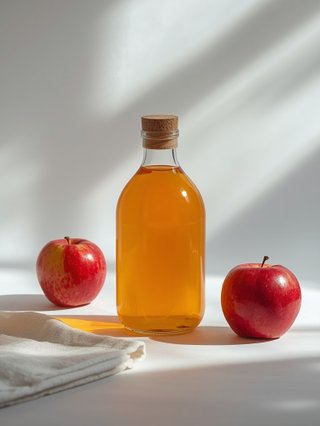
Natural apple cider vinegar – a versatile treatment for hair, skin, and scalp. Homemade recipe step by step
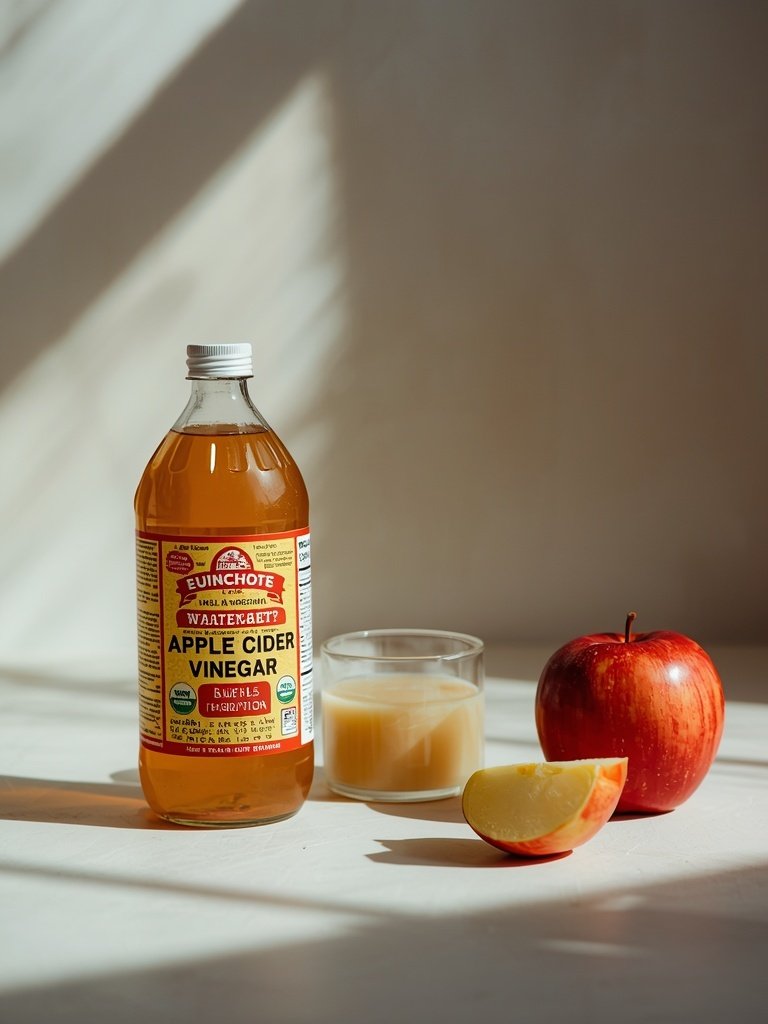
Table of Contents 4
Medical & Editorial Disclaimer (§3 Terms): This article is for informational and educational purposes only, does not constitute medical advice, diagnosis, or treatment, and is used at your own risk. Consult a qualified physician for medical conditions.
From a physiological and dermatological standpoint, the primary advantage of apple cider vinegar lies in its ability to harmonize the natural acid mantle of the skin and scalp. Because healthy human skin maintains a slightly acidic environment, applying properly diluted vinegar helps reinforce this protective barrier, revitalize fatigued complexions, and soothe minor blemishes or redness. On the scalp, naturally occurring alpha-hydroxy acids provide mild exfoliation to clear away residue while antimicrobial compounds and micronutrients help fortify the hair shaft. Additionally, within traditional nutritional practices, diluted apple cider vinegar is frequently explored as a digestive aid in cases where occasional heartburn is linked to insufficient gastric acid production rather than excess acidity.
Creating homemade apple cider vinegar requires only chopped acidic apples, boiled and cooled lukewarm water, and a modest amount of natural honey or sugar placed inside a wide-mouthed glass vessel covered with a breathable cloth to allow optimal airflow during fermentation. Whether utilizing the finished tonic as a clarifying hair rinse, a balancing facial toner, or a culinary beverage component, thorough dilution with water remains essential to protect delicate skin tissues and digestive membranes. Individuals experiencing persistent gastrointestinal discomfort or dermatological sensitivity should observe their personal tolerance carefully and seek professional guidance when incorporating acidic preparations into their regimen.
For centuries, apple cider vinegar has been valued for its therapeutic properties, serving as an indispensable ally in both beauty care and general well-being. Its rich composition—comprising organic acids, enzymes, and trace minerals—makes it a versatile ingredient in homemade cosmetics as well as a remedy for various ailments. Explore this comprehensive guide to discover time-tested preparation methods and the most effective ways to harness the benefits of this natural tonic safely and scientifically.
Apple cider vinegar for hair and scalp
Apple cider vinegar is an exceptional choice for natural hair care, serving as a powerful conditioning agent that improves overall hair vitality. It offers antimicrobial benefits while effectively normalizing the scalp's natural pH balance. Rich in essential minerals, vitamins (including E, C, and A), and natural antioxidants, it strengthens the hair fiber from within. Furthermore, the alpha-hydroxy acids present in apple cider vinegar gently exfoliate the scalp, helping to eliminate buildup, prevent dandruff, and stimulate healthy hair follicle function.
Apple cider vinegar for heartburn and digestion
The use of apple cider vinegar for heartburn stems from the premise that this discomfort is often caused not by an excess of stomach acid, but rather by hypochlorhydria, or a deficiency of gastric acid. Heartburn frequently occurs when acidic contents reflux into the esophagus. Natural health practitioners often suggest a simple dietary test involving the consumption of diluted apple cider vinegar over several days. If symptoms subside, it typically indicates that acid production was previously insufficient. Conversely, if pain or burning intensifies, use should be discontinued immediately, as it suggests hyperacidity.
Apple cider vinegar for skin health
Due to its high concentration of vitamins, minerals, and antioxidants, apple cider vinegar is frequently utilized in natural skincare routines to enhance dermal health. Human skin naturally maintains an acidic pH mantle, which closely mirrors the pH profile of quality vinegar. When properly diluted, topical application helps restore this protective acid mantle, hydrates the skin, revitalizes fatigued complexions, and can assist in diminishing redness and blemishes associated with minor inflammatory skin conditions.
Step-by-step recipe for homemade apple cider vinegar
Brewing your own apple cider vinegar at home is a straightforward process requiring minimal ingredients. You will need 1.5 kg of acidic apples, 1.5 liters of water, and 3 to 5 tablespoons of natural honey or sugar. Chop the apples and place them into a wide-mouthed glass container to ensure adequate oxygen circulation during fermentation. Cover the fruit completely with filtered, boiled, and cooled lukewarm water mixed with the sugar or honey. Secure a breathable cloth or cheesecloth over the top with a rubber band. Fermentation typically lasts between 2 to 5 weeks depending on the apple variety. Once bubbling ceases, strain the liquid through a fine sieve or cloth and store the clear vinegar in glass bottles.
Want to apply these guidelines in your daily diet?
Our smart diet generator creates a tailored meal plan in 3 minutes based on the recommendations in this article.

mgr David Janitzek
• 25.11.2026Diets Premium Expert
Diets Premium team expert. Specializes in nutrition plans, strength sports, and training plans.