Ground flaxseeds and weight loss – effects on metabolism, satiety, and gut microbiota

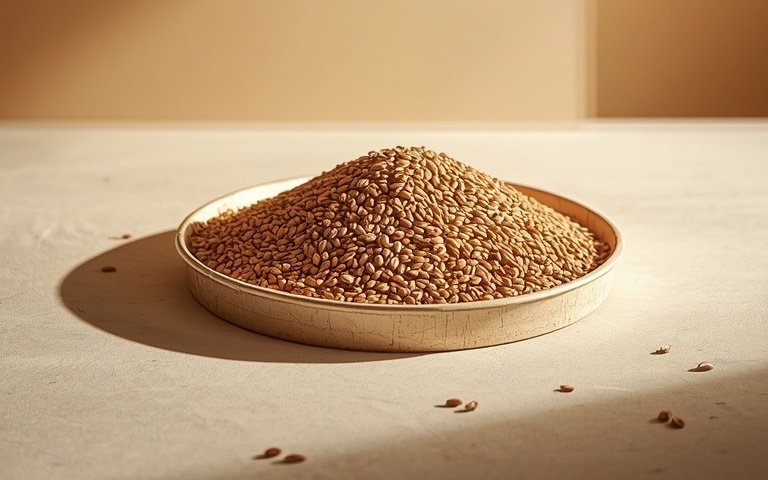
Table of Contents 3
Medical & Editorial Disclaimer (§3 Terms): This article is for informational and educational purposes only, does not constitute medical advice, diagnosis, or treatment, and is used at your own risk. Consult a qualified physician for medical conditions.
The physiological efficacy stems from the formation of a viscous hydrogel within the gastric lumen, which delays gastric emptying and triggers satiety signals sent directly to the brain. Furthermore, the arrival of these viscous digesta in the gut stimulates the release of satiety-regulating hormones, effectively dampening hunger. By flattening postprandial glucose and insulin curves, flaxseed consumption helps improve insulin sensitivity, thereby supporting the body in mobilizing stored energy reserves more effectively.
For practical integration, incorporating freshly milled flaxseed into morning meals or smoothies helps sustain satiety throughout the day. Consuming ground flax with water before main meals can naturally assist in managing meal volume. It is essential to maintain high fluid intake whenever consuming flaxseed to ensure the mucilage fibers swell properly, which maximizes their beneficial impact on digestive health and appetite regulation.
Within medical weight management, functional whole foods capable of amplifying satiety peptides and stabilizing glycemic excursions are of prime therapeutic value. Milled flaxseed integrates viscous soluble fibers, anti-inflammatory alpha-linolenic acid, and prebiotic lignans. This article reviews the physiological mechanisms through which daily milled flaxseed intake facilitates body composition optimization and metabolic health.
Viscous Mucilage Fiber, Gastric Mechanics, and Incretin Secretion (GLP-1, PYY)
The soluble mucilage polysaccharides in milled flaxseed rapidly bind water to form an expansive viscoelastic hydrogel within the gastric lumen. This delays gastric emptying and triggers mechanoreceptors that send afferent satiety signals through the vagus nerve directly to hypothalamic centers.
Furthermore, the arrival of viscous digesta and free fatty acids in the distal ileum stimulates enteroendocrine L-cells to secrete glucagon-like peptide-1 (GLP-1) and peptide YY (PYY), effectively dampening hunger and reducing spontaneous caloric intake.
Glycemic Stabilization, Insulin Sensitivity, and Adipose Lipolysis
Abrupt postprandial glucose surges accompanied by hyperinsulinemia inhibit hormone-sensitive lipase (HSL), preventing fat mobilization. Co-ingestion of milled flaxseed with carbohydrates reduces the meal's glycemic index, flattening glucose and insulin curves.
Clinical interventions show that consistent flaxseed consumption significantly reduces HOMA-IR insulin resistance indices in overweight cohorts, optimizing adipocyte lipid mobilization under negative energy balance.
Practical Protocols and Dietary Integration for Weight Loss
An optimal clinical weight loss protocol incorporates 20–30 g (approx. 2 heaping tablespoons) of freshly milled flaxseed daily:
- Breakfast Incorporation: Adding milled flax to morning porridge or protein smoothies sustains satiety for 4–5 hours.
- Pre-Meal Hydration: Drinking a glass of warm water with 1 tbsp of ground flax 20 minutes prior to lunch curtails meal volume by 15–20%.
- Hydration Imperative: Consume at least 250–300 ml of water with every tablespoon of flaxseed to maximize mucilage swelling and avoid gastrointestinal compaction.
Want to apply these guidelines in your daily diet?
Our smart diet generator creates a tailored meal plan in 3 minutes based on the recommendations in this article.
Tags

Lena Bauer
• 23.10.2026Diets Premium Expert
Diets Premium team expert. Specializes in nutrition plans, strength sports, and training plans.