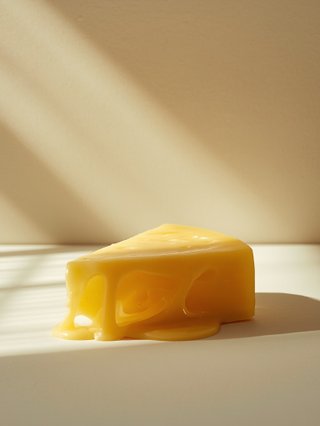
Melted cheese in a diet – homemade ones won't threaten your figure!
Table of Contents 6
Medical & Editorial Disclaimer (§3 Terms): This article is for informational and educational purposes only, does not constitute medical advice, diagnosis, or treatment, and is used at your own risk. Consult a qualified physician for medical conditions.
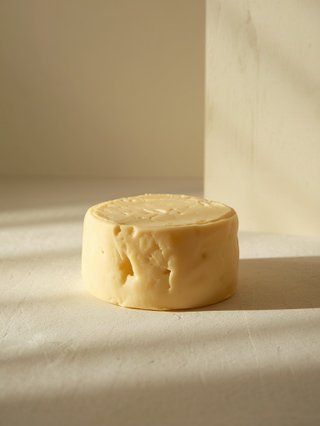
Physiologically, while these cheeses provide calcium, they are often accompanied by a high concentration of saturated fats and stabilizers that homogenize the texture. These additives can impact nutrient absorption and significantly increase the caloric density of a simple snack. The analysis demonstrates that homemade alternatives offer the advantage of selecting high-quality proteins and fats, whereas industrial products frequently contain hidden binders that are less supportive of an efficient metabolism.
For daily nutrition, it is recommended to transition to homemade spreads crafted from curd cheese or natural yogurt, enhanced with fresh herbs like basil, thyme, or chives. By incorporating spices such as paprika or garlic, you can achieve a robust flavor profile that renders industrial flavorings unnecessary. For those with limited time, choosing natural dairy bases and combining them with fresh vegetables ensures a nutrient-dense and satisfying meal that supports the body's needs effectively.
This article is professional premium content (PRO) provided in its entirety.
Melted cheese and diet
The cheese has melted its nutritional value
The pros and cons of eating grilled cheese
How do you make a melted cheese?
How do you make homemade melted cheese?
Is that even a substitute for melted cheese?
Want to apply these guidelines in your daily diet?
Our smart diet generator creates a tailored meal plan in 3 minutes based on the recommendations in this article.

Anna Schmidt
• 24.09.2026Diets Premium Expert
Diets Premium team expert. Specializes in nutrition plans, strength sports, and training plans.