Key Takeaways
The Mediterranean diet represents a well-established nutritional approach that emphasizes reducing heavy animal protein in favor of nutrient-dense plant-based alternatives. By substituting options like pork with fish, seafood, and a variety of wholesome botanical ingredients, this lifestyle fosters long-term vitality and systemic balance without compromising on culinary diversity.
Physiologically, the emphasis on whole grains, vegetables, fruits, nuts, seeds, and extra virgin olive oil delivers a rich spectrum of dietary fiber, vitamins, minerals, and protective antioxidants. Substituting land-animal fats with marine lipids and plant proteins positively influences lipid metabolism, helping to maintain healthy blood pressure and cholesterol levels while supporting cardiovascular health and reducing risks related to coronary heart disease.
Adopting these principles in daily routine involves structuring meals around abundant fresh produce, aromatic herbs, and healthy fats. Replacing red meat with ocean sources and legumes ensures adequate protein intake while reducing burden on the digestive system. This gradual, steady transition promotes safe weight management and provides sustained support for metabolic and heart health.
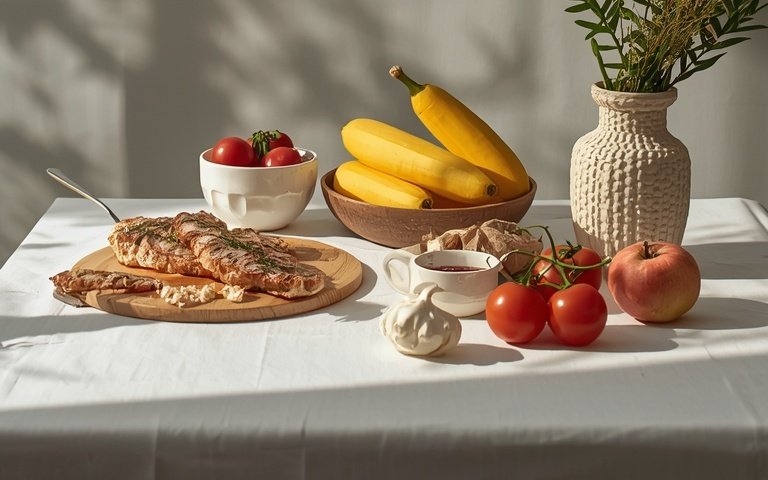
This dietary approach emphasizes reducing animal protein intake while favoring plant-based alternatives. Instead of pork, we opt for fish and seafood. Learn which other foods are recommended as part of the Mediterranean diet.
03 / 03
Mediterranean diet recommended and prohibited products
The basis of the diet is plant-based products, i.e., cereals, vegetables and fruits, legumes, nuts, seeds, olive oil, herbs, and spices. As a rule, they should be eaten daily, practically in every meal. They are an important source of energy, vitamins and mineral components, fiber, antioxidants, protein (legumes) and fat (olive oil). Whole-grain cereal products in the least processed form should be chosen. Whole-grain bread, groats, and pasta are especially recommended. White bread is eaten sporadically. Vegetables and fruits are an integral part of the Mediterranean diet. Try to choose seasonal, fresh produce from local cultivation. Raw salads or vegetables stewed in olive oil, or fruit for dessert, are daily occurrences for residents of the Mediterranean region. Legumes are a good source of micronutrients, protein, and fiber. It is recommended to consume beans, lentils, fava beans, or chickpeas at least twice a week as a main meal. Mediterranean cuisine is also famous for delicious dips based on legumes (e.g., hummus). Nuts and seeds are eaten as snacks or as additions to dishes. The Mediterranean diet recommends consuming them at least 2–3 times a week. Olive oil has been a primary source of fat since ancient times. The polyphenols contained in it prevent atherosclerosis while also providing antioxidants and vitamin E. Greeks consume the most olive oil in the world, up to 26 liters per year per person, which is about ½ liter per week! It is worth noting that they have a very low incidence of cardiovascular diseases. Olive oil can be used in all dishes. In the Greek style, you can cook on it, bake cakes, drizzle salads, or dip bread in it. It is important to use extra virgin olive oil, which has the highest nutritional value. It is worth using it instead of butter or margarine. In Mediterranean cuisine, little salt is used. Instead, lots of spices are used, which not only enhance the flavor but also contain a wide range of active ingredients. Dishes are enriched with large amounts of garlic and onion, which are known for their antibacterial and blood pressure-lowering properties. Equally popular spices include basil, rosemary, thyme, sage, and cumin, which contain strong antioxidants that protect against atherosclerosis. Fish and seafood are products typically associated with the Mediterranean diet. In this diet, it is recommended to consume fish and seafood at least 2 times a week. Therefore, it is worth introducing sardines, anchovies, salmon, herring, and tuna, which are rich in omega-3 fatty acids, to our menu. Snails, once a free source of protein for the poor, are now one of the favorite dishes in Mediterranean cuisine. Oysters, crabs, mussels, and shrimp are a rich source of zinc, which will further support the nervous system. Dairy products (yogurts, cheeses) in the Mediterranean diet are consumed in moderate amounts, primarily in the form of lean and hard yogurts. However, it is worth adding a small piece of full-fat and aromatic feta to the vegetable salad, grating some Parmesan onto the pasta, or making a dip based on natural yogurt (e.g., tzatziki) instead of mayonnaise. In the Mediterranean diet, it is a tradition to have a glass of wine with lunch. The beneficial effect of wine consumed in moderate amounts results from the presence of strong antioxidants called resveratrol. "Moderate amount" refers to a maximum of 2 glasses of wine per day for men and 1 glass for women consumed with a meal. As for red meat, it is not a staple product in this type of diet, but rather an addition. It is recommended to combine small portions of meat with a large amount of vegetables. Similarly, according to the Mediterranean diet, eggs should be consumed in limited quantities, up to 4–5 per week.
Want to apply these guidelines in your daily diet?
Our smart diet generator creates a tailored meal plan in 3 minutes based on the recommendations in this article.