Margarine under the microscope: ingredient analysis, quality, and comparison of health benefits versus traditional butter – which one to choose for optimal nutrition?
1 photo
800
Smart Voice
AI
0:00
0:00
Listen to the article content live
Table of Contents 4
Medical & Editorial Disclaimer (§3 Terms): This article is for informational and educational purposes only, does not constitute medical advice, diagnosis, or treatment, and is used at your own risk. Consult a qualified physician for medical conditions.
Clinical E-Books & Diet Plans:
Explore E-Books & Plans →
Key Takeaways
Grain products and bread are daily staples in modern nutrition, making the choice of spreadable fats an important consideration for long-term wellness. The ongoing comparison between traditional butter and contemporary margarine highlights key principles of food science and clinical nutrition. Understanding how different processing methods and fat profiles affect the body enables consumers to make informed choices that align with their personal metabolic and cardiovascular goals.
Technological advances have substantially improved the formulation of plant-based spreads. While older hydrogenation techniques produced harmful industrial trans fatty acids, modern soft tub margarines are typically derived from vegetable oils such as sunflower or soybean oil, featuring favorable unsaturated fat profiles that help support healthy cholesterol management. These spreads are often fortified with essential fat-soluble vitamins, though they may also contain functional additives like emulsifiers and antioxidants. Conversely, traditional butter offers naturally occurring butyric acid and bioavailable vitamins, accompanied by a higher proportion of saturated fats.
In daily life, selecting between butter and margarine should depend on individual health priorities and dietary patterns. Individuals focusing on cardiovascular health and managing lipid levels often benefit from choosing soft, non-hydrogenated plant spreads. Those who prefer traditional foods can include butter in moderation within a varied, nutrient-dense diet. Ultimately, overall dietary balance and ingredient quality play the most decisive roles in maintaining optimal health.
Modern diets frequently incorporate grain-based foods, with bread often consumed multiple times daily. Consequently, the market for spreadable products has expanded significantly, with margarine emerging as a popular choice. But is this selection truly justified from a nutritional and health perspective? A thorough examination of its composition, manufacturing processes, and the balance of potential benefits versus risks is essential to making an informed decision between margarine and conventional butter.
01 / 04
Fresh or chilled vegetables
Margarines are a large and diverse group of fatty products. Hard and soft margarines used for baking oils can be distinguished. For making hard margarines, oils are used: soybeans, grapefruit and palm oil, as well as fish fats. In the production of margarine used for ointment, sunflower oil, soybean oil and grease oil are most commonly used.[1] Currently, many technological processes are used to process fat. They are referred to as fatty acids. The characteristics of trans fats are the release, fractionation and translucency of fish oils.
02 / 04
Margarine is the composition
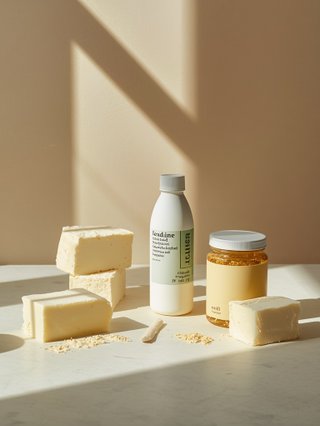
Baking products, including margarine, often contain additives. These include: dyes, preservatives, antioxidants, emulsifiers, thickening agents, acidity regulators. Baking fats, as well as margarines, should be enriched with vitamins A and D3. Other vitamins may also be added. According to the regulations, the content of vitamin A in 100 g of the final product may not exceed 900 μg (3000 μm).
03 / 04
Which margarine is healthiest?
The range of margarines available in our market is large. In order to satisfy consumers, manufacturers are generally introducing fewer and fewer oils and fats into stores. They also happen to change the composition of existing products. Therefore, it is important to frequently evaluate the quality of margarine.[1] Because individual products differ from each other in composition and nutritional value. With advances in technology, we are improving the product quality in the form of soft margarines. Generally, they contain fewer and less added fats. Through the technology itself it is also possible to reduce the content of isomers and its saturated fatty acids, which are responsible for the fat content of all margarine products to its fat content.
04 / 04
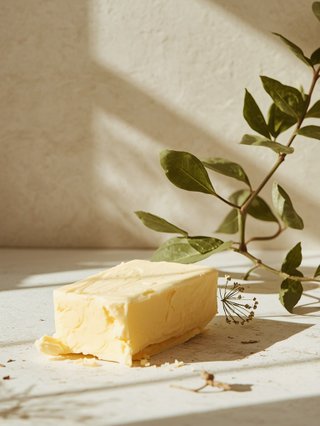
Butter and margarine
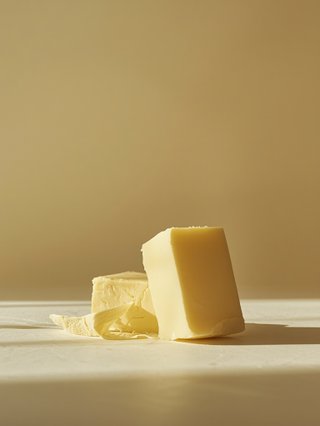
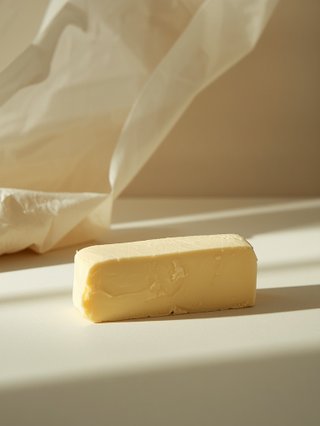
Both butter and margarine maintain dedicated proponents among nutrition scientists and consumers alike. Modern epidemiological evidence underscores that overall dietary quality and moderation are the decisive factors. Contemporary soft tub margarines formulated without harmful industrial trans fats (TFAs) offer a clinically sound option for individuals seeking to manage LDL cholesterol. Conversely, traditional farm butter supplies natural butyric acid along with bioavailable vitamins A, D, and K2. Furthermore, cold-pressed extra virgin olive oil and mashed avocado serve as superb plant-based alternatives for daily bread spreads.
Meal Plan
Want to apply these guidelines in your daily diet?
Our smart diet generator creates a tailored meal plan in 3 minutes based on the recommendations in this article.

mgr Tim Klein
• 25.11.2026Diets Premium Expert
Diets Premium team expert. Specializes in nutrition plans, strength sports, and training plans.