Vegetable margarine – ingredient analysis, additives, and available product variants
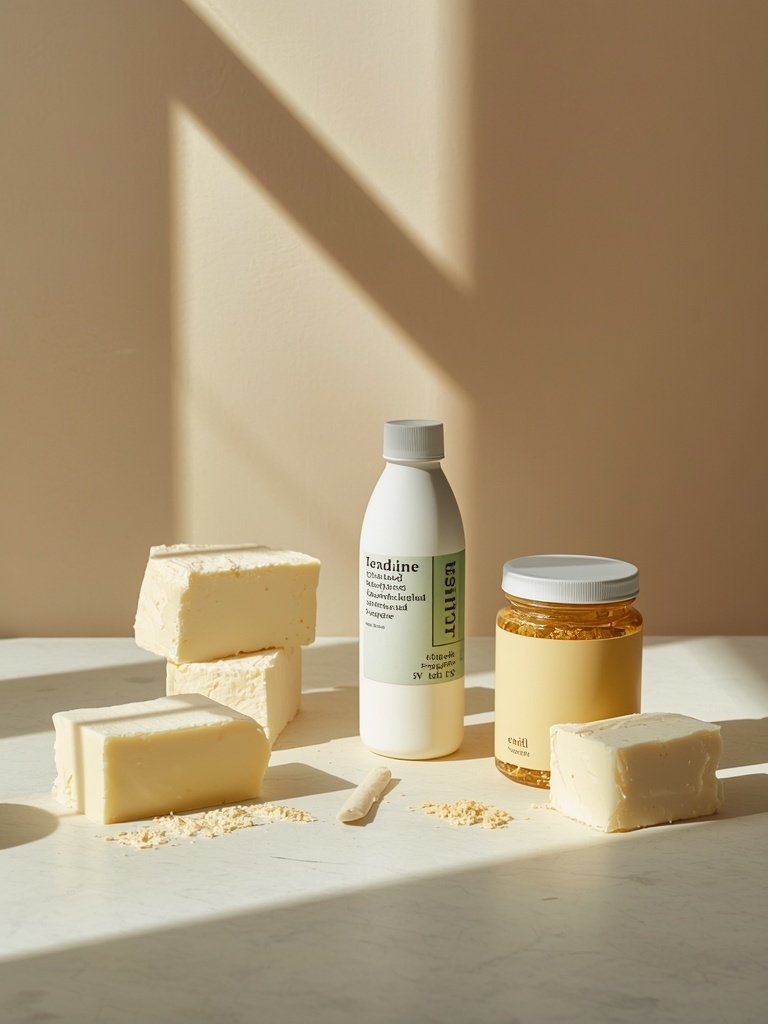
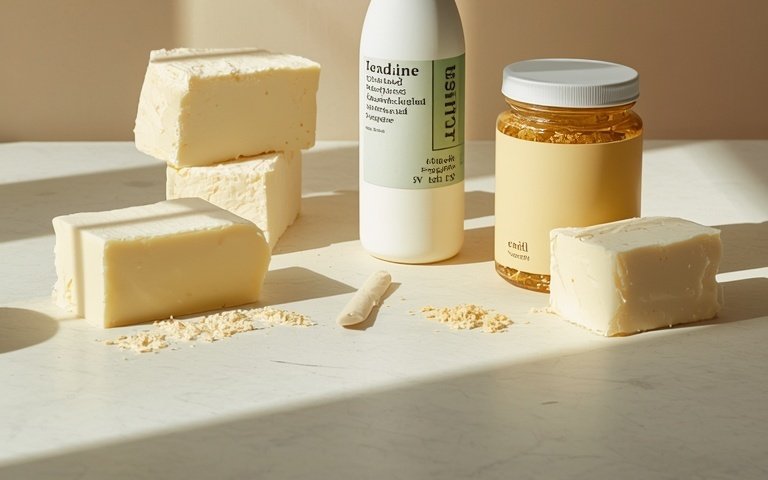
Table of Contents 3
Medical & Editorial Disclaimer (§3 Terms): This article is for informational and educational purposes only, does not constitute medical advice, diagnosis, or treatment, and is used at your own risk. Consult a qualified physician for medical conditions.
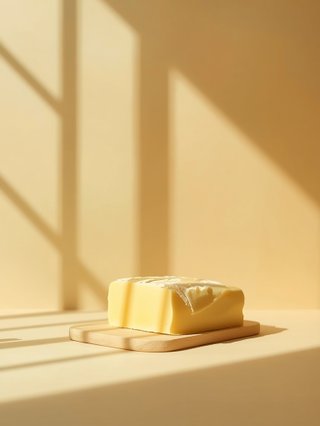
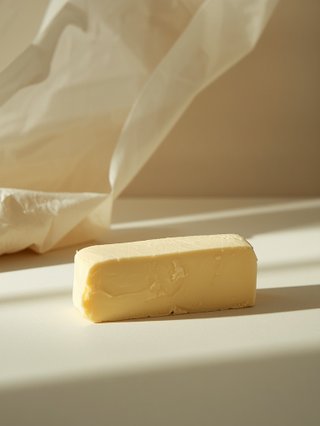
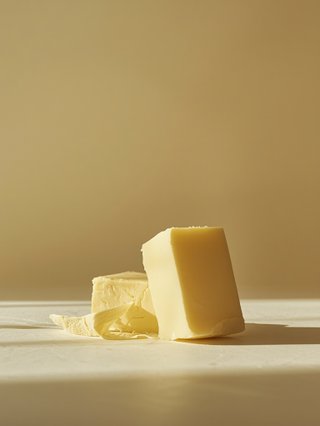
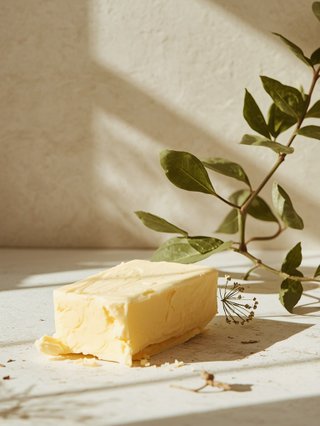
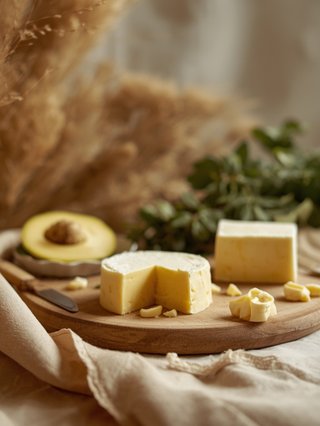
From a food science perspective, margarine is a stable emulsion produced from refined liquid vegetable oils—such as rapeseed, sunflower, and soybean oils—combined with structured vegetable fats and water or milk. To maintain product quality and shelf life, food manufacturers utilize emulsifiers, stabilizers, and natural colorants like curcumin or beta-carotene. The market offers distinct product variants, ranging from hard block margarines intended for industrial baking to soft tub margarines produced via modern interesterification. High-quality soft varieties provide valuable essential polyunsaturated fatty acids without industrial trans fats, whereas functional margarines are enriched with plant sterols that actively help lower LDL cholesterol.
Incorporating quality soft margarine into daily meals offers a practical approach to managing dietary fat intake and supporting cardiovascular wellness. Consumers are encouraged to select soft, spreadable options free from partially hydrogenated oils to maximize the benefits of essential unsaturated fatty acids. Combined with a balanced, whole-food diet, enriched plant-based margarines provide a reliable daily source of key fat-soluble nutrients.
Fresh or chilled vegetables
Margarine is an additive
Margarines of all kinds
Want to apply these guidelines in your daily diet?
Our smart diet generator creates a tailored meal plan in 3 minutes based on the recommendations in this article.

mgr Tim Klein
• 25.11.2026Diets Premium Expert
Diets Premium team expert. Specializes in nutrition plans, strength sports, and training plans.