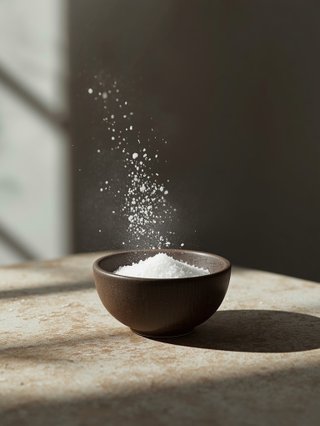
Low-Sodium Diet: Principles, Indications, and Sample Menu
Table of Contents 5
Medical & Editorial Disclaimer (§3 Terms): This article is for informational and educational purposes only, does not constitute medical advice, diagnosis, or treatment, and is used at your own risk. Consult a qualified physician for medical conditions.
The vast majority of dietary sodium originates not from table salt added during cooking, but from industrially processed foods such as cured meats, commercial breads, aged cheeses, canned soups, and savory seasonings. Physiologically, restricting sodium intake diminishes intravascular fluid volume, which directly lowers cardiac afterload and alleviates pressure on the renal vascular bed. Taste receptors naturally adapt to lower salt thresholds over a short period. Culinary techniques like roasting vegetables to enhance natural umami, combined with the generous use of fresh garlic, herbs, and lemon juice, allow for rich flavor profiles without added sodium.
Implementing a cardio-protective, low-sodium routine relies on selecting fresh, whole food ingredients. Nutrient-dense breakfasts like oatmeal with berries and seeds, balanced lunches featuring herb-roasted poultry with fresh vegetables, and unprocessed dairy or raw produce snacks demonstrate how dynamic a low-sodium diet can be. This evidence-based nutritional approach effectively supports individuals managing hypertension or renal conditions while promoting overall cardiovascular wellness.
Clinical indications for sodium restriction
Sodium and salt intake recommendations
Hidden sources of sodium in processed foods
Reducing sodium without sacrificing flavor – practical culinary tips
Sample balanced low-sodium daily meal plan
Want to apply these guidelines in your daily diet?
Our smart diet generator creates a tailored meal plan in 3 minutes based on the recommendations in this article.

Katarzyna Mazur
Diets Premium Expert
Diets Premium team expert. Specializes in nutrition plans, strength sports, and training plans.