Jojoba – a unique plant wax from the Californian simmondsia: characteristics, uses, and price analysis
Table of Contents 4
Medical & Editorial Disclaimer (§3 Terms): This article is for informational and educational purposes only, does not constitute medical advice, diagnosis, or treatment, and is used at your own risk. Consult a qualified physician for medical conditions.
The physiological efficacy of jojoba is rooted in its structural homology to human sebum, allowing it to integrate seamlessly into the epidermal lipid matrix. For those with oily or acne-prone skin, it provides feedback to sebocytes, helping to regulate sebum production, while for individuals with xerotic or atopic skin, it reinforces the moisture barrier to prevent transepidermal water loss. Furthermore, its bacteriostatic properties contribute to a healthier skin microbiome, providing a soothing effect that supports the skin's natural defense mechanisms against environmental stressors.
For optimal results, it is recommended to select raw, cold-pressed jojoba wax, which retains vital tocopherols and polyphenols often lost in refined, deodorized versions. This versatile ingredient can be incorporated into daily routines as a gentle makeup cleanser, a protective barrier serum, or a post-shave balm. In trichology, it effectively dissolves sebum buildup around hair follicles and repairs split ends, providing nourishment to the hair shaft without leaving a heavy or greasy residue. When stored properly, its inherent resistance to rancidity ensures a long-lasting and reliable addition to any personal care regimen.
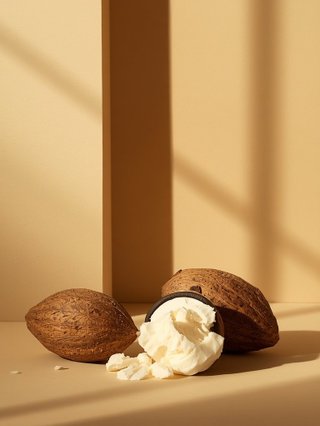
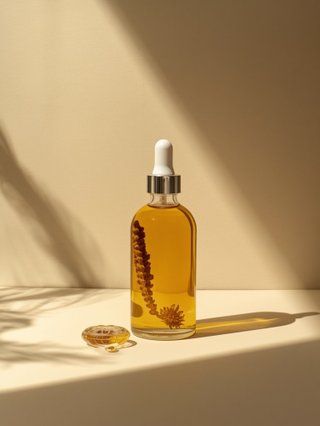
The golden lipid pressed from seeds of the desert shrub Simmondsia chinensis, conventionally marketed as 'jojoba oil', is chemically not a triglyceride fat, but a liquid plant wax. Composed of monounsaturated straight-chain wax esters, its molecular structure closely mimics human cutaneous sebum. This biomimetic profile renders jojoba one of the most versatile, skin-compatible, and stable botanical ingredients in modern clinical dermatology and cosmetic formulation.
Botanical origins of Simmondsia chinensis and the unique chemistry of liquid wax
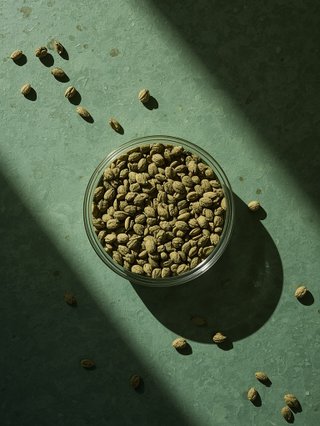
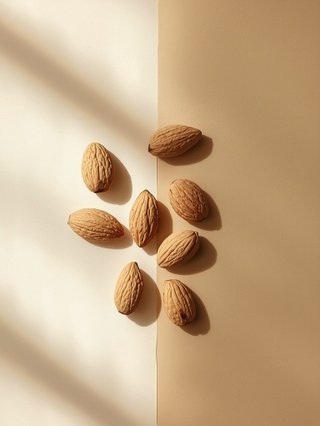
Simmondsia chinensis is a resilient, deep-rooting evergreen desert shrub native to the arid Sonora and Mojave deserts of North America. Its seeds yield approximately 50% liquid wax esters predominantly comprising gadoleic (eicosenoic) and erucic acids bound to long-chain alcohols. Lacking a glycerol backbone, jojoba wax resists thermal breakdown and rancidity, exhibiting shelf-life stability spanning years without synthetic preservatives.
Biochemical attributes: Sebum biomimicry and sebaceous gland regulation
Owing to its structural homology with human sebum, jojoba readily incorporates into the epidermal lipid matrix. In oily and acne-prone skin, it provides physiological feedback to sebocytes, signaling that adequate lipid coverage is present, thereby downregulating excessive sebum production. In xerotic and atopic skin, it reinforces barrier function to suppress Transepidermal Water Loss (TEWL). Jojoba also exhibits bacteriostatic properties against Cutibacterium acnes.
Applications in facial skincare, trichology, and barrier repair
Jojoba wax functions as a multi-purpose cosmetic agent: it dissolves stubborn makeup via the Oil Cleansing Method (OCM), serves as a barrier serum under moisturizers, and acts as a soothing post-shave balm. In trichology, it dissolves hardened sebum clogs around hair follicles, supports healthy follicle cycling, tames frizz, and repairs split ends without weighing down fine hair.
Quality grading, cold-pressed purity, and market pricing evaluation
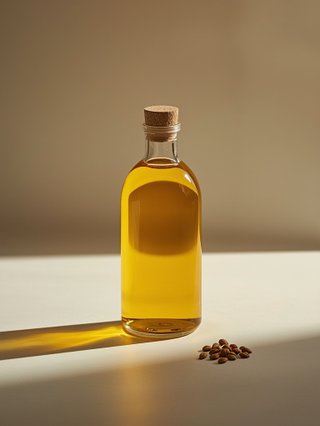
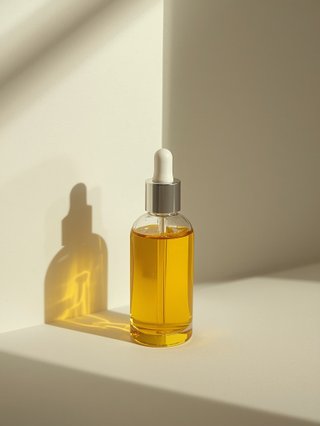
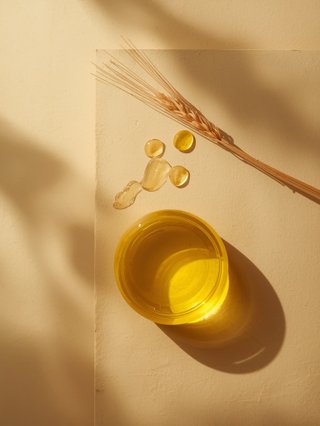
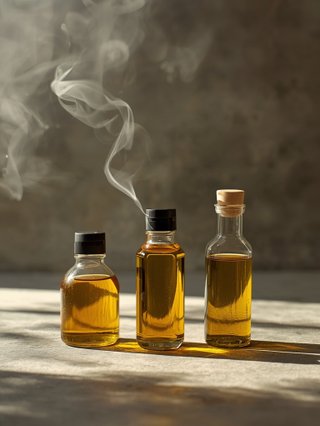
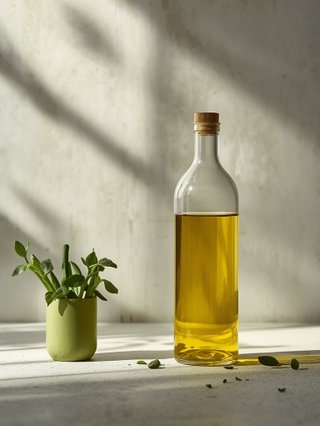
Superior dermatological efficacy is delivered by raw, unrefined, cold-pressed jojoba wax exhibiting a luminous golden clarity and mild, pleasant seed aroma. Inexpensive refined versions (bleached and deodorized) forfeit valuable native tocopherols and polyphenols. A hallmark of purity is solidifying into an opaque buttery state when chilled below 7–10°C. Quality certified organic products generally retail between €8 and €20 per 100 mL.
Want to apply these guidelines in your daily diet?
Our smart diet generator creates a tailored meal plan in 3 minutes based on the recommendations in this article.
Tags

Literatura: Arct J., Pytkowska K., Nawilżanie i surowce nawilżające, Polskie Towarzystwo Kosmetologów, 2003. Ozga-Michalski E., Rola ochronna tłuszczu dla włosów, Portal Farmaceutyczno-Medyczny, 2012.
Diets Premium Expert
Diets Premium team expert. Specializes in nutrition plans, strength sports, and training plans.