PRO 6 min read

Is this farm-raised or wild-caught - which salmon should be chosen?

Is this farm-raised or wild-caught - which salmon should be chosen?
1 photo
463
Smart Voice AI
0:00
0:00
Listen to the article content live
Table of Contents 7
PRO Content PRO

This article is professional premium content (PRO) provided in its entirety.

Salmon is one of the most well-known and popular fish consumed worldwide. It has gained recognition among people who prioritize health and quality of the products they consume as a staple in a balanced diet. However, the decision between farmed and wild salmon presents a dilemma for many consumers. These species differ not only in taste profiles but also in nutritional composition, availability, and environmental impact. Therefore, this decision extends beyond culinary preferences. It involves questions about health, ethics, and ecology. Here are the key differences to help make an informed decision that aligns with individual preferences and needs.
01 / 07

Contrasts between farmed and wild salmon

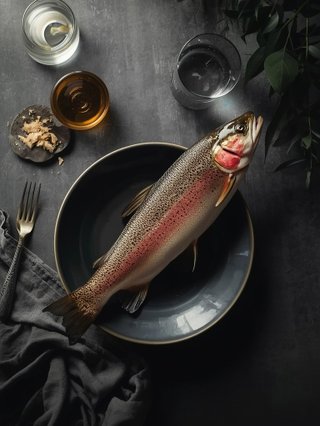
The fundamental contrast between farmed salmon and wild salmon pertains to the methods of harvesting, as well as the conditions under which the fish live and grow. Farmed salmon originates from aquaculture, representing a type of fish farming in closed water tanks or sea nets. In these conditions, it is artificially fed and subjected to health inspections, making it available year-round. The most commonly cultivated species is the Atlantic salmon. Wild salmon, on the other hand, inhabits and grows in its natural environment – in oceans, seas, and rivers, and it is caught during spawning migrations. Wild salmon fishing takes place primarily in open ocean waters, especially in the Pacific, or in rivers, and the fishing methods include nets, angling, and other traditional methods aimed at minimizing the negative impact on the environment. Wild species encompass, among others, the Chinook salmon, the sockeye salmon, the chum salmon, and the pink salmon (MOWI 2023).
02 / 07

Nutritional values

The differences in nutrient content between farmed salmon and wild salmon are mainly due to their lifestyle and dietary differences. Farmed salmon, which is fed specially prepared feed, is significantly richer in fat, which reflects in a higher calorie content. Such a diet results in farmed salmon providing more omega-3 fatty acids, however, the majority of them consist of alpha-linolenic acid (ALA), which is not as biologically active as eicosapentaenoic acid (EPA) and docosahexaenoic acid (DHA). Additionally, farmed salmon often contains more omega-6 fatty acids, which can promote inflammation when consumed excessively in relation to omega-3 fatty acids. Wild salmon, which naturally feeds on plankton, small fish, and shrimp, has a significantly leaner body structure – it contains fewer calories and fat, making it a good choice for individuals watching their figure. Despite the lower fat content, wild salmon provides high-quality omega-3 fatty acids, which are beneficial for heart health, the nervous system, and the brain. Its meat is also richer in vitamins, particularly vitamin D, which supports the immune system and bone health, as well as vitamin B12, which is essential for the functioning of the nervous system. Furthermore, wild salmon provides larger amounts of valuable mineral components such as selenium, which has antioxidant properties and supports cell protection against oxidative stress, as well as zinc, which is essential for skin, hair, and immune system health (I. J. Jensen et al. 2020).
03 / 07

Environmental contamination

The differences between farmed and wild salmon also cover the degree of contamination that can impact the quality of meat and the health of consumers. Unfortunately, these substances can accumulate in the body and affect the meat consumed by humans to some extent. In fish farms, pesticides and antibiotics are frequently used to prevent fish diseases and control parasites. Unfortunately, these chemicals can build up in the bodies of fish and affect the meat consumed by humans to some extent. Fish farms may also be more susceptible to exposure to dioxins and polychlorinated biphenyls (PCBs), which can accumulate in fish and animal tissues. Dioxins are known for their toxicity and long degradation time, meaning they can accumulate in the body over a long period. They can disrupt the functioning of the hormonal and immune systems, cause fertility problems, and increase the risk of cancer development. PCBs can cause neurological problems, liver damage, and negatively affect the development of the nervous system in children.
04 / 07

Costs

The costs of farmed and wild salmon differ due to accessibility and production expenditures. Farmed salmon is less expensive as it can be produced year-round under controlled conditions, ensuring constant availability. Wild salmon is pricier as its capture is seasonal and requires more commitment. Moreover, wild fishing is frequently linked with higher ecological standards that affect the higher price. Consequently, wild salmon is perceived as a luxury product offered at a higher price, particularly for varieties such as royal salmon.
05 / 07

Is farmed salmon an unsuitable choice

According to the Marine Fisheries Institute, it is irrelevant to have salmon on the menu regularly 2-3 times a week to deliver valuable omega-3 fatty acids that support heart and nervous system health. Although there are concerns about pollutants such as dioxins and PCBs, the choice between wild and farmed salmon is not of great importance for occasional fish eaters. However, those who eat fish regularly should prefer wild salmon and, if they opt for farmed salmon, it should preferably come from Norway or Canada, where the husbandry standards are higher (Marine Research Institute 2018). As far as the recommended frequency of consumption is concerned, opinions are divided. The EPA (Environmental Protection Agency) suggests that farmed salmon should be consumed once a month due to possible contaminants, while the FDA (Food and Drug Administration) considers more frequent consumption to be safe. Ultimately, both wild and farmed salmon provide valuable nutrients, and the key lies in moderation and the choice of fish from certified, responsible farms (EPA 2020).
06 / 07

How to choose the right product with salmon

There are several key factors to consider when choosing the right product with salmon. First and foremost, it is important to check the origin of the salmon, particularly wild salmon from the Pacific, which is considered a healthier choice. However, farmed salmon from countries like Norway or Canada can also be a good option if they come from certified breeders and have appropriate certificates such as MSC. It is also important to note the freshness of the salmon, the meat should be firm, with a uniform color, and have no unpleasant odor. Reading labels carefully is also important, as they provide essential information about the product such as the commercial name, scientific name of the fish, method of production, fishing area, and type of fishing gear.
07 / 07

Overview

There is no doubt that Poles do not consume enough fish, as indisputable statistical data shows. Although there are clear differences between wild and farmed salmon, they are not crucial with moderate consumption, for instance, once a week. It is essential to remember that the health advantages resulting from regular salmon consumption, such as the provision of valuable omega-3 fatty acids, supporting the circulatory system, and enhancing overall health, significantly outweigh the potential hazards associated with contamination. The most crucial aspect is that fish, regardless of their origin, constitute a consistent component of a balanced diet.
Meal Plan

Want to apply these guidelines in your daily diet?

Our smart diet generator creates a tailored meal plan in 3 minutes based on the recommendations in this article.

EPA-FDA Fish Advice: Technical Information, fda.gov/food/consumers/advice-about-eating-fish (14.09.2024).
Jensen I.J. et al., An Update on the Content of Fatty Acids, Dioxins, PCBs and Heavy Metals in Farmed, Escaped and Wild Atlantic Salmon (Salmo salar L.) in Norway, „Foods” 2020, 9(12), 1901.
Salmon Farming Industry Handbook, mowi.com/wp-content/uploads/2023/06/2023-Salmon-Farming-Industry-Handbook-2023.pdf (14.09.2024).
Tavakoly Sany S.B. et al., Dioxin risk assessment: mechanisms of action and possible toxicity in human health, „Environmental Science and Pollution Research” 2015, 22(24), 19434–1950.
Zarerad E. et al., Polychlorinated Biphenyls: A Review of Recent Updates on Food Safety and Environmental Monitoring, Health and Toxicological Implications, and Analysis, „Mini-Reviews in Medicinal Chemistry” 2023, 23(13), 1390–1411.
Zatopiona w Bałtyku amunicja chemiczna i ryby, mir.gdynia.pl/zatopiona-w-baltyku-amunicja-chemiczna-i-ryby/ (14.09.2024).
Scientifically reviewed by a clinical dietitian • 16.03.2026

EPA-FDA Fish Advice: Technical Information, fda.gov/food/consumers/advice-about-eating-fish (14.09.2024). Jensen I.J. et al., An Update on the Content of Fatty Acids, Dioxins, PCBs and Heavy Metals in Farmed, Escaped and Wild Atlantic Salmon (Salmo salar L.) in Norway, „Foods” 2020, 9(12), 1901. Salmon Farming Industry Handbook, mowi.com/wp-content/uploads/2023/06/2023-Salmon-Farming-Industry-Handbook-2023.pdf (14.09.2024). Tavakoly Sany S.B. et al., Dioxin risk assessment: mechanisms of action and possible toxicity in human health, „Environmental Science and Pollution Research” 2015, 22(24), 19434–1950. Zarerad E. et al., Polychlorinated Biphenyls: A Review of Recent Updates on Food Safety and Environmental Monitoring, Health and Toxicological Implications, and Analysis, „Mini-Reviews in Medicinal Chemistry” 2023, 23(13), 1390–1411. Zatopiona w Bałtyku amunicja chemiczna i ryby, mir.gdynia.pl/zatopiona-w-baltyku-amunicja-chemiczna-i-ryby/ (14.09.2024).

Diets Premium Expert

Diets Premium team expert. Specializes in nutrition plans, strength sports, and training plans.

USDA FoodData Central EFSA PubMed Clinical Guidelines
Loading
Recommended articles in this category

Related Articles

Discover similar publications and expert insights.

Unexplored Dimensions of Healthy Meat Grilling: Evidence-Based Science for Safe, Nutrient-Preserving Culinary Barbecue
Grilling Techniques

Unexplored Dimensions of Healthy Meat Grilling: Evidence-Based Science for Safe, Nutrient-Preserving Culinary Barbecue

⏱ 1 min czytania
#Grilling Techniques #Nutritional Value
Sheep’s Milk Cheeses: Nutritional Architecture, Health Benefits, Bioactive Peptides, and Digestive Tolerance
Fat-Soluble Vitamins

Sheep’s Milk Cheeses: Nutritional Architecture, Health Benefits, Bioactive Peptides, and Digestive Tolerance

⏱ 3 min czytania
#Fat-soluble Vitamins #Bioactive Compounds
Mascarpone Cheese: Velvety Italian Delicacy, Culinary Heritage, Nutritional Profile, and Gastronomic Uses
Cream Cheese

Mascarpone Cheese: Velvety Italian Delicacy, Culinary Heritage, Nutritional Profile, and Gastronomic Uses

⏱ 2 min czytania
#Cream Cheese #Sweet Flavor
Durum Wheat (Triticum durum): Semolina Properties, Health Attributes, and Selection Criteria for Premium Pasta
Complex Carbohydrates

Durum Wheat (Triticum durum): Semolina Properties, Health Attributes, and Selection Criteria for Premium Pasta

⏱ 3 min czytania
#Complex Carbohydrates #Gluten Sensitivity
Whole Grain Flours in Practice: Wheat, Rye, Spelt, and Brown Rice – Nutritional Characteristics, Culinary Applications, and Health Benefits
Nutritional Benefits

Whole Grain Flours in Practice: Wheat, Rye, Spelt, and Brown Rice – Nutritional Characteristics, Culinary Applications, and Health Benefits

⏱ 3 min czytania
#Nutritional Benefits #Whole Grain Flour
Psychotherapy and Professional Mental Health Support: Navigating High-Quality Psychological and Psychiatric Care
Assistance

Psychotherapy and Professional Mental Health Support: Navigating High-Quality Psychological and Psychiatric Care

⏱ 5 min czytania
#Assistance #Mental
What to Eat in the Evening: Recommended vs. Forbidden Foods for Dinner – Optimal Nutrition for Sleep and Metabolism
Pregnancy & Motherhood

What to Eat in the Evening: Recommended vs. Forbidden Foods for Dinner – Optimal Nutrition for Sleep and Metabolism

⏱ 3 min czytania 📚 Pregnancy & Motherhood
#Metabolism #Breakfast
Quince Fruit Specialties: Beverages, Traditional Tinctures, Confitures, and Health Benefits
Maintenance

Quince Fruit Specialties: Beverages, Traditional Tinctures, Confitures, and Health Benefits

⏱ 10 min czytania
#Maintenance #Tart Flavor
Postpartum Psychosis: Clinical Recognition, Etiology, Diagnostic Signs, and Emergency Psychiatric Intervention
Pregnancy & Motherhood

Postpartum Psychosis: Clinical Recognition, Etiology, Diagnostic Signs, and Emergency Psychiatric Intervention

⏱ 3 min czytania 📚 Pregnancy & Motherhood
#Mental Health #Anxiety
Psychological Dimensions of Living with Obesity: Stigma, Self-Worth, and Pathways to Self-Compassion
Pregnancy & Motherhood

Psychological Dimensions of Living with Obesity: Stigma, Self-Worth, and Pathways to Self-Compassion

⏱ 3 min czytania 📚 Pregnancy & Motherhood
#Adipose Tissue #Obesity
Aromatic Culinary Herbs and Spices: Revolutionizing Flavor Profiles and Slashing Dietary Sodium
Metabolic Efficiency

Aromatic Culinary Herbs and Spices: Revolutionizing Flavor Profiles and Slashing Dietary Sodium

⏱ 5 min czytania
#Metabolic Efficiency #Herbs And Spices
Psychodietetics: The Crucial Role of Mindset in Long-Term Lifestyle and Body Transformation
Body Composition

Psychodietetics: The Crucial Role of Mindset in Long-Term Lifestyle and Body Transformation

⏱ 4 min czytania
#Body Composition #Psychodietetics
Dietary Factors and Foods that Impair Metabolic Rate: Scientific Evidence vs. Popular Myths
Metabolic Processes

Dietary Factors and Foods that Impair Metabolic Rate: Scientific Evidence vs. Popular Myths

⏱ 3 min czytania
#Metabolic Processes #Micronutrients
The Psychological Consequences of Restrictive Dieting: Mood Disorders, Caloric Obsession, and Neurobiological Adaptations
Dietary Patterns

The Psychological Consequences of Restrictive Dieting: Mood Disorders, Caloric Obsession, and Neurobiological Adaptations

⏱ 3 min czytania
#Dietary Patterns #Metabolic
Psychoactive Compounds with Remarkable Properties: The Psychedelic Renaissance in Modern Neuropsychiatry
Mental Health

Psychoactive Compounds with Remarkable Properties: The Psychedelic Renaissance in Modern Neuropsychiatry

⏱ 5 min czytania
#Mental Health #Schizophrenia
Leadership Character and Core Competencies in Team Governance: Organizational Resilience in Times of Transformation
Competitive

Leadership Character and Core Competencies in Team Governance: Organizational Resilience in Times of Transformation

⏱ 3 min czytania
#Competitive #Strategic
Psychodietetics: The Pivotal Role of Mindset in Sustainable Weight Loss and Body Transformation
Weight Management

Psychodietetics: The Pivotal Role of Mindset in Sustainable Weight Loss and Body Transformation

⏱ 4 min czytania
#Weight Management #Psychodietetics
Comprehensive Guide to Asparagus Preparation: Peeling Techniques, Optimal Cooking Methods, Freezing Protocols, and Serving Suggestions
Pregnancy & Motherhood

Comprehensive Guide to Asparagus Preparation: Peeling Techniques, Optimal Cooking Methods, Freezing Protocols, and Serving Suggestions

⏱ 5 min czytania 📚 Pregnancy & Motherhood
#Crisp Texture #Vegetable
Clinical Psychology: Comprehensive Guide to Evidence-Based Research, Diagnostics, and Professional Practice
Healthy Lifestyle

Clinical Psychology: Comprehensive Guide to Evidence-Based Research, Diagnostics, and Professional Practice

⏱ 2 min czytania
#Healthy Lifestyle
The Role of Herbs and Spices in Pediatric Nutrition: Beneficial, Safe, and Prohibited Flavorings
Children's Nutrition

The Role of Herbs and Spices in Pediatric Nutrition: Beneficial, Safe, and Prohibited Flavorings

⏱ 4 min czytania
#Children's Nutrition #Flavor Enhancers
Curry Spice Blend: Composition Analysis, Health Potential, Curcumin Mechanisms, and Culinary Applications
Health Benefits

Curry Spice Blend: Composition Analysis, Health Potential, Curcumin Mechanisms, and Culinary Applications

⏱ 4 min czytania
#Health Benefits #Curry Sauce
Rainbow Trout: Aquaculture Insights, Nutritional Profile, Omega-3 Fatty Acids, and Culinary Inspirations
Culinary Versatility

Rainbow Trout: Aquaculture Insights, Nutritional Profile, Omega-3 Fatty Acids, and Culinary Inspirations

⏱ 3 min czytania
#Culinary Versatility #Culinary Techniques
Psychodietetics: A Holistic Approach to Sustainable Habit Change and Harmonious Eating Relationships
Sustainable Weight Management

Psychodietetics: A Holistic Approach to Sustainable Habit Change and Harmonious Eating Relationships

⏱ 3 min czytania
#Sustainable Weight Management #Dietary Guidelines
The Psychological Foundations of Successful Weight Loss: Motivation, Habits, and Identity Transformation
Nutritional Guidelines

The Psychological Foundations of Successful Weight Loss: Motivation, Habits, and Identity Transformation

⏱ 5 min czytania
#Nutritional Guidelines #Dietary Habits

Why Can’t You Stop Overeating? The Psychological and Neurobiological Mechanisms of Compulsive Eating
Cake

Why Can’t You Stop Overeating? The Psychological and Neurobiological Mechanisms of Compulsive Eating

⏱ 5 min czytania
#Cake
Etiological Drivers of Constipation and Evidence-Based Non-Pharmacological Strategies: Diet, Fiber, and Lifestyle
Dietary Interventions

Etiological Drivers of Constipation and Evidence-Based Non-Pharmacological Strategies: Diet, Fiber, and Lifestyle

⏱ 3 min czytania
#Dietary Interventions #Insoluble Fiber
Chronic Pancreatitis: Clinical Manifestations, Medical Management, and Dietary Guidelines

Nutrition Recommendations

Chronic Pancreatitis: Clinical Manifestations, Medical Management, and Dietary Guidelines

⏱ 5 min czytania
#Nutrition Recommendations #Dietary Recommendations
Male Infertility: Etiological Factors, Diagnostic Modalities, Lifestyle Medicine, and Targeted Clinical Nutrition
Pregnancy & Motherhood

Male Infertility: Etiological Factors, Diagnostic Modalities, Lifestyle Medicine, and Targeted Clinical Nutrition

⏱ 4 min czytania 📚 Pregnancy & Motherhood
#Healthy Lifestyle #Pregnancy
Psychological and Behavioral Determinants of Overeating: From Emotional Hunger to Binge Eating Disorders
Appetite Regulation

Psychological and Behavioral Determinants of Overeating: From Emotional Hunger to Binge Eating Disorders

⏱ 3 min czytania
#Appetite Regulation #Appetite Control
Chronic Kidney Disease: Dietary Management and Clinical Therapeutic Meal Plan
Nutrition Recommendations

Chronic Kidney Disease: Dietary Management and Clinical Therapeutic Meal Plan

⏱ 5 min czytania
#Nutrition Recommendations #Dietary Recommendations
For Trainees

Latest Diets

Discover other diet plans with similar goals and nutrients.

Share