Hemp oil from *Cannabis sativa* seeds – biochemical characteristics, potential health benefits, and practical tips for use
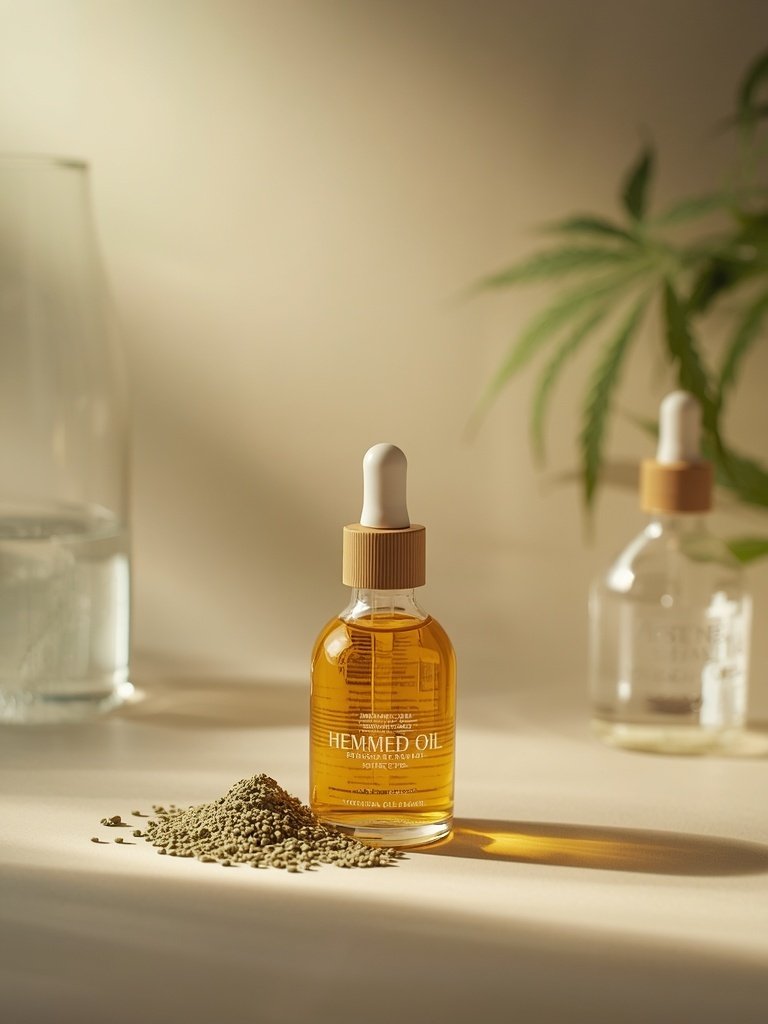
Table of Contents 5
Medical & Editorial Disclaimer (§3 Terms): This article is for informational and educational purposes only, does not constitute medical advice, diagnosis, or treatment, and is used at your own risk. Consult a qualified physician for medical conditions.
From a biochemical perspective, the abundance of essential omega fatty acids actively influences eicosanoid synthesis, helping to regulate the body's immune and inflammatory responses. The presence of bioactive constituents such as easily digestible edestin, choline, lecithin, chlorophyll, and antioxidant tocopherols supports vital metabolic functions and cellular membrane integrity. Furthermore, phytosterols contribute to stabilizing circulating lipid profiles, while topical application aids in restoring cutaneous barrier permeability and alleviating severe skin dryness.
In daily practice, it is crucial to utilize cold-pressed virgin hempseed oil strictly unheated, drizzling it over crisp salads, grain bowls, or chilled dishes right before consumption to preserve its delicate structure. Once opened, the oil must be kept refrigerated and shielded from light, consumed within a short timeframe to prevent oxidation and rancidity. Integrating this functional food into a balanced diet provides a simple yet effective way to harness the remarkable properties of hemp in everyday life.
The annual plant known scientifically as Cannabis sativa variety sativa demonstrates remarkable adaptability to diverse environmental conditions. Its seeds are distinguished by a rich nutritional profile: comprising 15 to 20 percent high-quality plant-based protein and 28 to 35 percent fat—primarily polyunsaturated fatty acids from the omega-3 and omega-6 families, which are deemed essential in human nutrition. Additionally, the seeds’ chemical composition includes a range of bioactive compounds, such as edestin—a highly digestible storage protein—choline, which supports metabolic functions, lecithin as a cellular membrane component, chlorophyll with detoxifying properties, vitamin K critical for blood coagulation, and tocopherols exhibiting antioxidant activity.
These unique characteristics position hempseed oil as a valuable asset in both dietary applications and health-promoting strategies [1, 2].
Hemp oil
Hemp oil is a liquid, yellowish-orange, slightly bitter, root-nut-scented and flavoured. It is mainly composed of unsaturated fatty acids (about.90%). The most important are linoleic acid (LA, 4658%), α-linolenic acid (ALA, 1228%) and γ-linolenolic acid (GLA), which belong to the multivariate saturated fatty acid family.
Additionally, the oil contains 60110 mg/100 g, carotenoids 3, 112 mg/100g, phytosterols 390670 g/100g and polyphenols 58, 8106, 3/100 g. The average omega-3 to omega-6 levels are available on the internet.
Hemp oil properties
Due to its high concentration of polyunsaturated essential fatty acids (EFAs), hemp seed oil directly modulates eicosanoid synthesis, regulating the body's inflammatory and immune pathways. Its alpha-linolenic acid (ALA, omega-3) content exerts documented anti-inflammatory, antiplatelet, and mild hypotensive actions, while downregulating hepatic triglyceride synthesis and reducing circulating lipid peroxidation products.
The exceptional 3:1 ratio of linoleic acid (omega-6) to alpha-linolenic acid (omega-3) represents the ideal nutritional balance recommended by human nutrition societies, preventing excessive production of pro-inflammatory arachidonic acid metabolites. Concurrently, natural gamma- and alpha-tocopherols provide potent antioxidant defense, safeguarding the oil's fragile double bonds against oxidation. Carotenoids confer its distinctive golden-green hue, while plant phytosterols (primarily beta-sitosterol and campesterol) competitively inhibit dietary and biliary cholesterol absorption in the small intestine.
Use of hemp oil
Owing to its anti-inflammatory lipid profile, cold-pressed hemp oil is an exceptional functional food for individuals managing chronic low-grade systemic inflammation and metabolic disorders. It demonstrates substantial supportive utility in cardiovascular health, notably in the nutritional management of hypertension, ischemic heart disease, and subclinical atherosclerosis.
Phytosterols present in the oil contribute directly to stabilizing the lipid panel by decreasing circulating atherogenic LDL fractions. Furthermore, hemp seed oil contains rare gamma-linolenic acid (GLA, 2–4%), which acts as a key precursor for anti-inflammatory prostaglandin E1 (PGE1), delivering clinical relief in conditions like atopic dermatitis and rheumatoid arthritis.
Potent lipophilic antioxidants, including mixed tocopherols and polyphenols, scavenge reactive oxygen species (ROS), preserving vascular endothelial integrity and attenuating premature cellular senescence. Beyond systemic benefits upon ingestion, hemp oil provides remarkable restorative efficacy when applied topically.
Hemp oil on your face
A deficiency in dietary essential fatty acids—specifically linoleic acid (LA) and alpha-linolenic acid (ALA)—manifests rapidly as xerosis (severely dry skin), impaired barrier permeability, and cutaneous flaking. Furthermore, aging and metabolic stressors downregulate the delta-6-desaturase enzyme responsible for synthesizing GLA, compromising stratum corneum hydration and aggravating psoriasis or atopic eczema.
Topical application of unrefined hemp oil directly replenishes physiological intercellular lipids, restoring epidermal barrier competence. The skin experiences diminished transepidermal water loss (TEWL), improved suppleness, and accelerated recovery from irritant micro-injuries without clogging pores or inducing comedogenesis.
How to use hemp oil?
Once opened, cold-pressed virgin hemp seed oil must be stored strictly in the refrigerator, shielded from ambient light, and consumed within the timeframe specified on the label (typically 6 to 12 weeks). Spoiled, oxidized, or rancid oil should never be ingested.
In culinary practice, hemp seed oil is utilized strictly cold—drizzled over crisp salads, warm grain bowls, hummus, or chilled soups immediately prior to consumption, and never subjected to frying or heating. For dermatological care, a few drops can be gently smoothed onto cleansed, damp facial skin or massaged into dry cutaneous patches.
By virtue of its ideal 3:1 omega-6 to omega-3 ratio, hypotensive traits, and rich antioxidant reserves, cold-pressed hemp oil represents a versatile and evidence-backed addition to an anti-inflammatory wellness regimen.
Want to apply these guidelines in your daily diet?
Our smart diet generator creates a tailored meal plan in 3 minutes based on the recommendations in this article.
Tags

mgr Emilia Szymańska
• 23.10.2026Diets Premium Expert
Diets Premium team expert. Specializes in nutrition plans, strength sports, and training plans.