Ginger Drink Preparation - Recipe and Effects of Drinking on an Empty Stomach

Table of Contents 3
Medical & Editorial Disclaimer (§3 Terms): This article is for informational and educational purposes only, does not constitute medical advice, diagnosis, or treatment, and is used at your own risk. Consult a qualified physician for medical conditions.
Drinking ginger-infused water on an empty stomach primarily serves to support digestive function by encouraging the secretion of saliva and essential digestive juices. This process can help alleviate sensations of abdominal heaviness, bloating, and occasional nausea, providing a gentle way to stimulate the digestive tract. The bioactive properties of the root are best utilized when the preparation method effectively extracts these compounds, allowing the body to benefit from its natural, warming characteristics.
To prepare an effective ginger drink, begin by peeling the fresh root and slicing it thinly or grating it finely to maximize the release of its active components. Infuse the prepared ginger with hot water and allow it to steep thoroughly before consuming the beverage at a comfortable, cool temperature. You may enhance the flavor profile with natural additions such as lemon, mint, or cinnamon, while always remaining mindful of your personal tolerance to the natural pungency of the ginger.
In grocery stores, in the produce aisle, one can find the thick, light-brown rhizome – ginger (Rhizoma Zingiberis) derived from medicinal ginger (Zingiber officinalis) native to Southeast Asia. It is predominantly utilized as a culinary spice in Asian cuisine and extensively cultivated across China, India, Jamaica, Brazil, and West Africa, highly prized for its potent bioactive compounds and therapeutic properties.
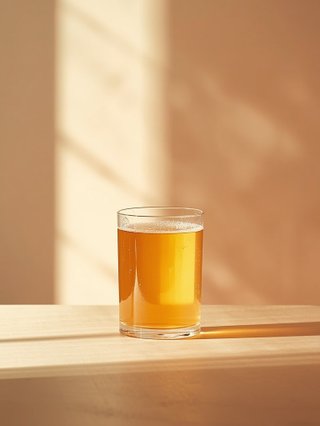
Beverage with ginger root infusion
Does drinking ginger water on an empty stomach offer real benefits?
How to make a ginger drink - step-by-step guide
Want to apply these guidelines in your daily diet?
Our smart diet generator creates a tailored meal plan in 3 minutes based on the recommendations in this article.

Literatura: Lamer-Zarawska E., Kowal-Gierczak B., Niedworok J., Fitoterapia i leki roślinne, Wydawnictwo Lekarskie PZWL, Warszawa 2007, Dymarska E., Grochalska A., Krauss H. i in., Naturalne modyfikatory odpowiedzi immunologicznej, Probl Hig Epidemiol 2016, 97, s. 297–307, Arablou T., Aryaeian N., Valizadeh M. i in., The effect of ginger consumption on glycemic status, lipid profile and some inflammatory markers in patients with type 2 diabetes mellitus, Łuczak A., Nowak M., Szałek E., Bezpieczeństwo leków roślinnych w ciąży, Farmacja współczesna, 2017, 10, s. 140–146.
Diets Premium Expert
Diets Premium team expert. Specializes in nutrition plans, strength sports, and training plans.