Key Takeaways
French culinary arts serve as the structural foundation of modern gastronomy and are celebrated globally as a cornerstone of cultural heritage. This topic is essential for readers who wish to understand the intersection of sophisticated technique and the appreciation of high-quality ingredients. By exploring these traditions, one gains insight into a lifestyle that prioritizes the conviviality of dining and the integrity of raw produce.
The physiological and culinary mechanisms discussed involve the rigorous codification of classic methods, such as the creation of foundational sauces that enhance the natural profiles of ingredients. These techniques focus on maximizing flavor through careful preparation, utilizing fresh herbs, fats, and seasonal vegetables to create balanced and satisfying meals. The French approach emphasizes the importance of the terroir, ensuring that the origin and quality of every component contribute to the final sensory experience.
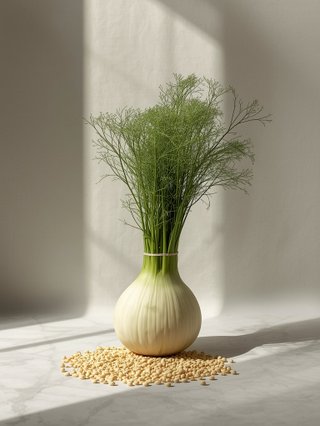
For daily health and nutrition, adopting the French philosophy of mindful eating can be highly beneficial. Focus on incorporating fresh, whole ingredients into your routine and embrace the process of preparing meals from scratch. By applying traditional cooking methods to simple, high-quality items like onions or seasonal vegetables, you can create nourishing dishes that favor quality over convenience. Prioritizing the experience of the meal itself supports a healthier and more sustainable relationship with food.
French gastronomy serves as the structural foundation of modern Western culinary arts, inscribed on the UNESCO Intangible Cultural Heritage list as an archetype of gastronomic conviviality. From the rigorous codification of classical Haute Cuisine by Auguste Escoffier, to the foundational 'mother sauces' (sauces mères), down to rustic Provençal farmhouse traditions and Parisian bistro culture. Explore regional terroir, wine pairings, and definitive master recipes for classic French onion soup and Bœuf Bourguignon.
02 / 03
French cuisine is a tradition
The French usually eat 3 main meals a day: breakfast (petit déjeuner), lunch (déjeuner), or dinner (dîner). Have you ever wondered why, despite the rather caloric French cuisine, they maintain such slim figures? This is their secret.. The French breakfast is very sweet and pleasant.. Usually, they eat a butter croissant, a roll with butter and jam, a pastry, coffee with milk, or hot chocolate.. Freshly squeezed orange juice is often served with breakfast.. Around 12:00–14:00.. 00 lunch is eaten, which usually includes a main course with dessert or with an appetizer. Currently, lunch is served as a light lunch: omelet, salad, sandwich with cheese, vegetables or meat. Coffee is also served. Exceptions are celebrations or holidays, when more substantial dishes can be served during lunch. Lunch is often eaten during a break at restaurants. The real feast is a late dinner around 8:00 PM–10:00 PM. Then quite substantial dishes, appetizers and desserts are served. The appetizer is a salad, soup, or egg dish, while the main course is usually served hot – meat: poultry, fish, which is covered with sauce and served with potatoes, vegetables, or salads. The dinner is crowned with dessert: popular creme brulee or apple tart, and often a cheese board is served as a snack. The mandatory drinks are wine and water. French cuisine is famous for the richness of its sophisticated flavors. Every region in France has its own unique and inimitable flavor that makes it special, yet all regions of France are united by good taste and sophisticated combinations of flavors. Northern France is an area famous for deliciously prepared oysters, diverse cheeses appreciated worldwide, and cream-based products. Popular Provence is a land of olives and olive oil and vegetables: tomatoes, eggplant, zucchini, bell peppers, and onions, which combine in the delicious dish ratatouille. The South is mainly known for fish dishes. Bordeaux is also famous for the best wines in the world. In France, restaurants with large aquariums are popular, where various crustaceans are found. After being chosen and prepared by the chef, they end up on our plates. Various kinds of soups are also often served, with onion and fish soup being the most famous. The main course is usually served with creamy sauces: horseradish, béchamel, or hunter's. 500 types of cheese make France a true powerhouse, and every good meal should end with a piece of delicious cheese. Pâtés, foie gras – Strasbourg pâté, blue cheeses, baguettes, croissants, snails, frog legs, and above all, excellent wine – this is a brief description of French cuisine, which, however, is not limited to these few products.
Want to apply these guidelines in your daily diet?
Our smart diet generator creates a tailored meal plan in 3 minutes based on the recommendations in this article.