4 min read
Food poisoning -- symptoms, treatment... Can I eat anything during and after food poisoning?


1 photo
816
Smart Voice
AI
0:00
0:00
Listen to the article content live
Table of Contents 5
Medical & Editorial Disclaimer (§3 Terms): This article is for informational and educational purposes only, does not constitute medical advice, diagnosis, or treatment, and is used at your own risk. Consult a qualified physician for medical conditions.
Clinical E-Books & Diet Plans:
Explore E-Books & Plans →
Key Takeaways
Food poisoning is a significant health concern that frequently affects vulnerable individuals, particularly young children, by disrupting normal digestive function. Recognizing the clinical nature of this condition and understanding the importance of proper recovery strategies is essential to prevent complications such as severe dehydration and to ensure a safe return to normal physical well-being.
The physiological response to contaminated food involves an acute reaction of the digestive system to harmful pathogens, leading to symptoms like nausea, vomiting, and diarrhea. These processes place a heavy burden on the body, depleting vital fluids and electrolytes. Following the resolution of symptoms, the digestive tract remains sensitive and weakened, meaning that the body requires a period of gentle care rather than an immediate return to a standard diet to avoid triggering secondary digestive distress.
Practical recovery focuses on consistent rehydration to replace lost fluids and the gradual reintroduction of mild, easily digestible foods once the stomach has settled. It is vital to avoid rushing the transition back to regular meals to prevent further irritation. Maintaining high standards of food hygiene and storage is the most effective way to support long-term digestive health and minimize the risk of future occurrences of foodborne illness.
Food poisoning, also known as food toxication, is a frequently encountered condition, particularly among young children and preschoolers. Acute symptoms related to this ailment weaken the body and may lead to dehydration. Read the article to find out what food toxication is and how to treat this condition!
01 / 05
Foodborne intoxication
Foodborne intoxication occurs due to digestive system dysfunction after ingesting food contaminated with harmful pathogens. We categorize it based on the cause: bacterial, viral, and fungal. Bacterial poisonings result from the presence of microorganisms and their toxins in food, stemming from inadequate hygiene during cooking and improper storage and consumption of expired ingredients.
02 / 05
Food poisoning - signs and symptoms
The primary indicators of food poisoning include severe abdominal discomfort and persistent diarrhea. Additionally, individuals may experience nausea, vomiting, abdominal cramps, and in some instances, fever, chills, and muscle aches. This condition places considerable strain on the body, and following symptom resolution, a recovery period of several days is necessary to restore full physical well-being.
03 / 05
Food poisoning therapy - proven strategies
In the therapy of food poisoning, adjusting the diet and maintaining proper hydration are crucial. In cases of diarrhea and vomiting, the body loses significant amounts of fluids, making regular rehydration essential. Supportive measures include using activated charcoal, which alleviates diarrhea symptoms and reduces digestive tract irritation. Due to electrolyte loss during illness, supplementation is necessary. Special rehydration solutions can be purchased, or a homemade mixture of water, salt, honey, and fruit juice can be prepared.
04 / 05
Which foods are recommended for food poisoning?
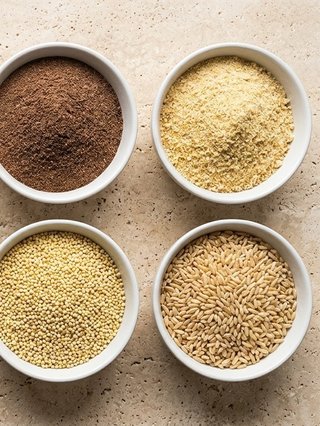
In the acute phase of poisoning, when persistent vomiting and diarrhea occur, there is neither the ability nor the desire to consume food. Once the symptoms begin to subside, a sudden intense hunger often arises, prompting the affected individual to eat anything available. This is a significant mistake, as it can lead to a recurrence of symptoms, sometimes with greater severity. It is crucial to reintroduce food gradually into the diet. The stomach is irritated and weakened, requiring time to recover fully. A light, easily digestible diet based on rice or barley porridge, oatmeal, cornmeal, dry bread, crackers, biscuits, toast, or crispbread (without added spices or sugar) is ideal. Fatty, sour, overly sweet, or heavily spiced products should be strictly avoided. Milk and dairy products should also be omitted. Beverages should be cool, preferably water or weak tea.
05 / 05
Which foods should be eaten after food poisoning?
During recovery from food poisoning, it is essential to follow a gentle diet that is easy on the digestive system. Gradually introducing heavier foods is crucial to avoid discomfort. Maintaining proper hydration is also important to support a faster recovery. Additionally, adhering to hygiene practices is vital to prevent reinfection. Food poisoning, especially in children, is common and can significantly weaken the body. Therefore, it is advisable to follow food safety guidelines to prevent such illnesses from occurring.
Meal Plan
Want to apply these guidelines in your daily diet?
Our smart diet generator creates a tailored meal plan in 3 minutes based on the recommendations in this article.

mgr Emilia Szymańska
• 25.11.2026Diets Premium Expert
Diets Premium team expert. Specializes in nutrition plans, strength sports, and training plans.