Effective natural alternatives in the fight against depression: St. John's wort, cocoa, B and D vitamins, adaptogens, and omega-3


Table of Contents 7
Medical & Editorial Disclaimer (§3 Terms): This article is for informational and educational purposes only, does not constitute medical advice, diagnosis, or treatment, and is used at your own risk. Consult a qualified physician for medical conditions.
The physiological mechanisms discussed involve the optimization of neurotransmitter synthesis and the reduction of neuroinflammation. Essential vitamins act as critical cofactors for the production of chemical messengers, while omega fatty acids contribute to membrane fluidity and cellular communication within the nervous system. Furthermore, botanical interventions and adaptogens help modulate the stress response, potentially enhancing cognitive function and emotional stability by supporting the brain's natural capacity for plasticity.
Practical daily guidance involves prioritizing a nutrient-dense diet rich in whole foods, including fatty fish, legumes, and a variety of colorful vegetables to ensure adequate intake of essential vitamins and minerals. Incorporating healthy fats and considering the role of sunlight for vitamin synthesis are also key components of a supportive lifestyle. As with any approach to mental health, it is essential to consult with qualified healthcare professionals to ensure that any nutritional or herbal interventions are appropriate and safe for individual needs.
Depressive disorders and subclinical mood disturbances demand multifaceted neurobiological modulation. Integrative nutritional psychiatry increasingly implements validated natural compounds that re-equilibrate monoaminergic neurotransmission, augment hippocampal neuroplasticity (BDNF), and attenuate systemic neuroinflammation.
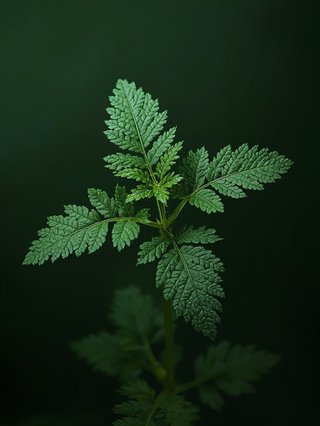
St. John's Wort (*Hypericum perforatum*): Hyperforin Dynamics and Neurotransmitter Reuptake
St. John's Wort represents the most exhaustively studied herbal antidepressant in clinical medicine:
- Broad-spectrum reuptake inhibition: Hyperforin acts via non-competitive synaptic inhibition, attenuating the reuptake of serotonin (5-HT), norepinephrine, dopamine, GABA, and glutamate.
- Clinical parity with SSRIs: Meta-analyses demonstrate therapeutic parity with standard SSRIs in mild-to-moderate depression, accompanied by superior adverse-event tolerability.
- CYP3A4 and P-glycoprotein induction: Hypericum potent induction of hepatic cytochrome P450 reduces circulating levels of oral contraceptives, anticoagulants, and antiretrovirals. Concomitant use with pharmaceutical antidepressants is strictly contraindicated due to serotonin syndrome risks.
Cofactors in Neurotransmitter Biosynthesis: Vitamins B6, B12, Folate, and Vitamin D3
Micronutrient deficiencies directly paralyze endogenous neurochemical pathways:
- One-carbon methylation (B12 and Folate): Critical for synthesizing S-adenosylmethionine (SAMe), the methyl donor required for monoamine production. MTHFR polymorphisms frequently warrant direct L-methylfolate therapy.
- Pyridoxal-5-Phosphate (Vitamin B6): Mandatory cofactor for aromatic L-amino acid decarboxylase, converting 5-HTP to serotonin and L-DOPA to dopamine.
- Neurosteroid Vitamin D3: Crosses the blood-brain barrier to bind neuronal VDR receptors, stimulating tryptophan hydroxylase 2 (TPH2) transcription for central serotonin synthesis.
Omega-3 Fatty Acids (EPA/DHA) and Adaptogens in Neuroinflammation
The inflammatory hypothesis of depression underscores that elevated circulating cytokines (IL-6, TNF-alpha) degrade synaptic plasticity and drive indoleamine-2,3-dioxygenase (IDO) tryptophan depletion:
- Eicosapentaenoic acid (EPA): Clinical trials confirm that therapeutic dosages (>1,000–2,000 mg daily of pure EPA) downregulate neuroinflammation and restore membrane fluidity.
- Cacao flavanols: High-cocoa dark chocolate delivers raw tryptophan, bioavailable magnesium, and antioxidant flavanols that boost cerebral perfusion and BDNF expression.
- Adaptogenic buffering: Botanical adaptogens (Panax ginseng, Withania somnifera) attenuate chronic HPA hyperactivation, preserving hippocampal volume against cortisol toxicity.
Vitamin B
Vitamin D and its salts
A woman and a man
Omega-3 fatty acids
Want to apply these guidelines in your daily diet?
Our smart diet generator creates a tailored meal plan in 3 minutes based on the recommendations in this article.
Tags

Julia Wójcik
• 23.10.2026Diets Premium Expert
Diets Premium team expert. Specializes in nutrition plans, strength sports, and training plans.