PRO 6 min read

Everything About Sweeteners
Everything About Sweeteners
1 photo
369

Smart Voice

AI
0:00
0:00
Listen to the article content live
Table of Contents 7
PRO Content PRO

This article is professional premium content (PRO) provided in its entirety.

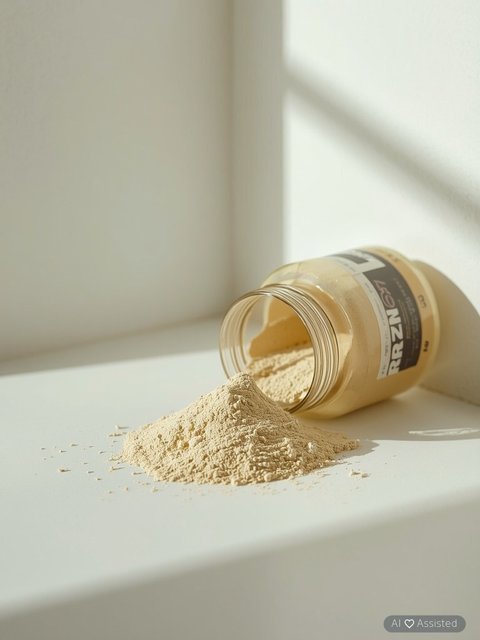
Sweeteners are ubiquitous in food products, even in those where we wouldn't expect to find them. They impart a sweet taste, but they also serve a multitude of other functions – not only in the food industry, but also in the medical one. They act as preservatives, stabilizers, impart structure, participate in shaping aroma and flavor. Sweeteners are a beneficial alternative to sugar, which only delivers a few calories to the body and has no health benefits. Most importantly, sweeteners, depending on the type, can exhibit antimicrobial, fungicidal properties and do not cause tooth decay. Although these are undoubtedly advantages, do sweeteners also have their disadvantages?
01 / 07

Sweeteners - Definition and Categories

According to a Regulation of the European Parliament and of the Council of the European Union, there are two types of sweeteners: those with a low nutritive value and high intensity, such as Acesulfam K, Aspartame, Cyclamic Acid, Saccharin, and Sucralose; and those with a high nutritive value, such as Polyols like Xylitol, Erythritol, Sorbitol, Mannitol, Isomalt, Lactitol, and Maltitol. Sweeteners with a low nutritive value, due to their high sweetness level, have little impact on the caloric content of the product. Aspartame has a 200-fold higher sweetness level than sucrose, but it does not increase blood sugar levels or stimulate the pancreas to produce insulin. This is beneficial for people with insulin resistance and diabetes. Sweeteners with a high nutritive value (polyols) increase the volume of the product and reduce its caloric content. Additionally, their cooling properties in the oral cavity are utilized, for example, in the production of chewing gums or mouthwashes. However, it is important to note that excessive consumption of polyols can cause digestive problems. If the content of these substances in a product exceeds 10%, a warning must be placed on the label that excessive consumption may have a laxative effect.
02 / 07

Xylitol (birch sugar)

Xylitol is manufactured industrially from birch bark containing a compound known as xylan. It possesses sweetening properties and its sweetness is very similar to that of sucrose. It imparts moisture and has a low glycemic index of 8. It is a beneficial choice for individuals with diabetes and insulin resistance as it stabilizes the insulin profile and reduces glycemia. It also exerts a positive influence on the lipid profile by decreasing cholesterol and triglyceride levels. It inhibits the growth of yeasts such as Candida and exhibits a laxative effect when consumed in excess. However, it is toxic to dogs as it can induce liver damage.
03 / 07

Multifaceted Polyol

Multifaceted polyol is produced by the enzymatic fermentation of starch. Its chemical symbol is E 968. It delivers only 20 kcal per 100 g and has a zero glycemic index. Multifaceted polyol: - has a sweetening effect - is less sweet than sucrose (about 70% of the sweetness of sucrose); - enhances flavor; - has a natural origin and occurs in products such as soy sauce and fruit; - reduces the likelihood of developing high blood pressure; - has a laxative effect if consumed in excess.
04 / 07

Stevia

Stevia is a plant native to Brazil and Paraguay. Its intense sweet flavor is derived from natural steviol glycosides. Stevia contributes virtually zero calories to the diet and is designated by the additive code E 960 on food labels. Key properties of stevia include: – intense sweetening power – roughly 300 times sweeter than regular sucrose; – stabilizing effect on blood glucose levels; – blood pressure-lowering potential; – antibacterial and plaque-inhibiting properties; – refreshing, slightly cooling herbal-menthol aftertaste; – high thermal stability – making it suitable for both cooking and baking. Stevia is widely used as a tabletop sweetener, food additive, and in specialized dietary products, beverages, and cosmetics.
05 / 07

Acesulfam K - synthetic sweetening agent

This synthetic sweetening agent was discovered by chance in 1967 by K. Jensen and quickly gained immense popularity, finding a place in many foodstuffs. Its chemical designation is E 950. Acesulfam K: - acts as a sweetening agent, - is 200 times sweeter than sucrose; - possesses an unpleasant, metallic and bitter taste; - is not metabolized by the organism - is excreted unchanged in urine; - can be used at high temperatures; - usually occurs in combination with other sweeteners and is used in flavored alcoholic beverages, confections, spreads, beer, mustard and milk beverages.
06 / 07

Aspartame - High-Sweetness Sweetener

Aspartame is considered a calorie-free sweetener due to its very high sugar content, even though it contains 400 kcal in 100 g. However, its additive to products is minimal enough to provide only a small number of calories. The properties of aspartame include: sweeteners (up to 200 times sweeter than sucrose), stabilizing and enhancing effects of fruit flavours, lack of metallic taste, and temperature resistance. Aspartame is used in the food industry as an additive to zero-calorie carbonated drinks, isotonic drinks, yogurts, breakfast cereals, sweets, gums, candies, and chips, and is also added to medications.
07 / 07

Safety in the application of artificial sweetening agents

Artificial sweeteners should not be used in products intended for infants and young children. Additionally, it has been found that aspartame, its derivatives, and acesulfam K products may cause nervous system reactions such as headache, mood disorders, depressive disorder, and heartburn (this should appear on the product's packaging), so it is very important to read the label before purchasing it. Furthermore, it has been observed that consuming aspartame can cause allergic reactions in sensitive individuals, such as skin rashes, swelling of the tongue and throat. Polyols should not be used by individuals with irritable bowel syndrome and those following a low-FODMAP diet, as they undergo fermentation in the large intestine, which can negatively affect well-being and health. Alcohols consumed in a daily dose greater than 20-50 g can cause diarrhea. Xylitol can also cause contact allergies, which manifest as aphthae in the mouth. Sweeteners are considered safe for humans, provided they are used in appropriate amounts. The most important thing is moderation in the consumption of products containing various types of sweeteners, both more and less natural. It is worth noting that manufacturers are obliged to use safe amounts of sweeteners in their products. It depends on the consumer how much sweeteners they include in their diet. Sweeteners work well as a substitute for sugar, as they provide a sweet taste, but have lower calorie content and also have health-promoting properties. This is important for people who love sweets and struggle with excess weight, as the final calorie intake will be lower. It is worth remembering that healthy eating habits should be based on as little processed, seasonal, and varied products as possible.
Meal Plan

Want to apply these guidelines in your daily diet?

Our smart diet generator creates a tailored meal plan in 3 minutes based on the recommendations in this article.

Aspartame, efsa.europa.eu/en/topics/topic/aspartame?fbclid=IwAR07fU3Ewe07YW-REG6H_4d75oKfImo_IvMcAFm1922H8b4nAFc8IqrRGjM (1.04.2020).
Cortinovis C., Caloni F., Household Food items Toxic to Dogs and Cats, „Frontiers in Veterinary Science” 2016, 3, 26.
Czajkowska-Mysłek A., Ocena zawartości substancji intensywnie słodzących w słodzikach w tabletkach, „Postępy Nauki i Technologii Przemysłu Rolno-Spożywczego” 2016, 71(1), 52–55.
Drzewiecka A., Sztuczne i naturalne środki słodzące, „Kosmetologia Estetyczna” 2016, 5, 365–369.
Grembecka M., Ksylitol – rola w diecie oraz profilaktyce i terapii chorób człowieka, „Bromatologia i Chemia Toksykologiczna” 2015, 3, 340–343.
Grupińska J. et al., Korzyści i zagrożenia związane z konsumpcją naturalnych zamienników sacharozy, „Bromatologia i Chemia Toksykologiczna” 2015, 1, 1–10.
Kalemba-Drożdż M., Ksylitol – fakty i mity. Czy to substancja prozdrowotna, czy tylko chwyt marketingowy?, „Public Health Forum” 2018, 4(12), 95–99.
Myszkowska-Ryciak J., Środki słodzące w profilaktyce i leczeniu otyłości, „Kosmos. Problemy Nauk Biologicznych” 2010, 59(3–4), 365–374.
Rozporządzenie Parlamentu Europejskiego i Rady (WE) nr 1333/2008 z dnia 16 grudnia 2008 w sprawie dodatków do żywności, Dz.U. L 354/16 z 31.12.2008.
Sękalska B., Zawartość sztucznych substancji słodzących – aspartam, acesulfamu-K i sacharynianu sodu w napojach dietetycznych, „Żywność. Nauka. Technologia. Jakość” 2007, 3(52), 127–138.
Świąder K., Waszkiewicz-Robak B., Świderski F., Substancje intensywnie słodzące – korzyści i zagrożenia, „Problemy Higieny i Epidemiologii” 2011, 92(3), 392–396.
Walkiewicz A., Traczyk I., Substancje dodatkowe w żywności – aspekty zdrowotne, Praktyczny podręcznik dietetyki, pod red. Jarosza M., Warszawa 2010, 518.
Zdrojewicz Z., Kocjan O., Idzior A., Substancje intensywnie słodzące – alternatywa dla cukru w czasach otyłości i cukrzycy, „Medycyna Rodzinna” 2015, 2(18), 89–93.
Scientifically reviewed by a clinical dietitian • 18.03.2026

Aspartame, efsa.europa.eu/en/topics/topic/aspartame?fbclid=IwAR07fU3Ewe07YW-REG6H_4d75oKfImo_IvMcAFm1922H8b4nAFc8IqrRGjM (1.04.2020). Cortinovis C., Caloni F., Household Food items Toxic to Dogs and Cats, „Frontiers in Veterinary Science” 2016, 3, 26. Czajkowska-Mysłek A., Ocena zawartości substancji intensywnie słodzących w słodzikach w tabletkach, „Postępy Nauki i Technologii Przemysłu Rolno-Spożywczego” 2016, 71(1), 52–55. Drzewiecka A., Sztuczne i naturalne środki słodzące, „Kosmetologia Estetyczna” 2016, 5, 365–369. Grembecka M., Ksylitol – rola w diecie oraz profilaktyce i terapii chorób człowieka, „Bromatologia i Chemia Toksykologiczna” 2015, 3, 340–343. Grupińska J. et al., Korzyści i zagrożenia związane z konsumpcją naturalnych zamienników sacharozy, „Bromatologia i Chemia Toksykologiczna” 2015, 1, 1–10. Kalemba-Drożdż M., Ksylitol – fakty i mity. Czy to substancja prozdrowotna, czy tylko chwyt marketingowy?, „Public Health Forum” 2018, 4(12), 95–99. Myszkowska-Ryciak J., Środki słodzące w profilaktyce i leczeniu otyłości, „Kosmos. Problemy Nauk Biologicznych” 2010, 59(3–4), 365–374. Rozporządzenie Parlamentu Europejskiego i Rady (WE) nr 1333/2008 z dnia 16 grudnia 2008 w sprawie dodatków do żywności, Dz.U. L 354/16 z 31.12.2008. Sękalska B., Zawartość sztucznych substancji słodzących – aspartam, acesulfamu-K i sacharynianu sodu w napojach dietetycznych, „Żywność. Nauka. Technologia. Jakość” 2007, 3(52), 127–138. Świąder K., Waszkiewicz-Robak B., Świderski F., Substancje intensywnie słodzące – korzyści i zagrożenia, „Problemy Higieny i Epidemiologii” 2011, 92(3), 392–396. Walkiewicz A., Traczyk I., Substancje dodatkowe w żywności – aspekty zdrowotne, Praktyczny podręcznik dietetyki, pod red. Jarosza M., Warszawa 2010, 518. Zdrojewicz Z., Kocjan O., Idzior A., Substancje intensywnie słodzące – alternatywa dla cukru w czasach otyłości i cukrzycy, „Medycyna Rodzinna” 2015, 2(18), 89–93.

Diets Premium Expert

Diets Premium team expert. Specializes in nutrition plans, strength sports, and training plans.

USDA FoodData Central EFSA PubMed Clinical Guidelines
Loading
Recommended articles in this category

Related Articles

Discover similar publications and expert insights.

Sheep’s Milk Cheeses: Nutritional Architecture, Health Benefits, Bioactive Peptides, and Digestive Tolerance
Fat-Soluble Vitamins
Sheep’s Milk Cheeses: Nutritional Architecture, Health Benefits, Bioactive Peptides, and Digestive Tolerance
⏱ 3 min czytania
#Fat-soluble Vitamins #Bioactive Compounds
Mascarpone Cheese: Velvety Italian Delicacy, Culinary Heritage, Nutritional Profile, and Gastronomic Uses
Cream Cheese
Mascarpone Cheese: Velvety Italian Delicacy, Culinary Heritage, Nutritional Profile, and Gastronomic Uses
⏱ 2 min czytania
#Cream Cheese #Sweet Flavor
Durum Wheat (Triticum durum): Semolina Properties, Health Attributes, and Selection Criteria for Premium Pasta
Complex Carbohydrates
Durum Wheat (Triticum durum): Semolina Properties, Health Attributes, and Selection Criteria for Premium Pasta
⏱ 3 min czytania
#Complex Carbohydrates #Gluten Sensitivity
Whole Grain Flours in Practice: Wheat, Rye, Spelt, and Brown Rice – Nutritional Characteristics, Culinary Applications, and Health Benefits
Nutritional Benefits
Whole Grain Flours in Practice: Wheat, Rye, Spelt, and Brown Rice – Nutritional Characteristics, Culinary Applications, and Health Benefits
⏱ 3 min czytania
#Nutritional Benefits #Whole Grain Flour
Psychotherapy and Professional Mental Health Support: Navigating High-Quality Psychological and Psychiatric Care
Assistance
Psychotherapy and Professional Mental Health Support: Navigating High-Quality Psychological and Psychiatric Care
⏱ 5 min czytania
#Assistance #Mental
Quince Fruit Specialties: Beverages, Traditional Tinctures, Confitures, and Health Benefits
Maintenance
Quince Fruit Specialties: Beverages, Traditional Tinctures, Confitures, and Health Benefits
⏱ 10 min czytania
#Maintenance #Tart Flavor
Psychological Dimensions of Living with Obesity: Stigma, Self-Worth, and Pathways to Self-Compassion
Pregnancy & Motherhood
Psychological Dimensions of Living with Obesity: Stigma, Self-Worth, and Pathways to Self-Compassion
⏱ 3 min czytania 📚 Pregnancy & Motherhood
#Adipose Tissue #Obesity
Leadership Character and Core Competencies in Team Governance: Organizational Resilience in Times of Transformation
Competitive
Leadership Character and Core Competencies in Team Governance: Organizational Resilience in Times of Transformation
⏱ 3 min czytania
#Competitive #Strategic
Psychodietetics: The Pivotal Role of Mindset in Sustainable Weight Loss and Body Transformation
Weight Management
Psychodietetics: The Pivotal Role of Mindset in Sustainable Weight Loss and Body Transformation
⏱ 4 min czytania
#Weight Management #Psychodietetics
Comprehensive Guide to Asparagus Preparation: Peeling Techniques, Optimal Cooking Methods, Freezing Protocols, and Serving Suggestions
Pregnancy & Motherhood
Comprehensive Guide to Asparagus Preparation: Peeling Techniques, Optimal Cooking Methods, Freezing Protocols, and Serving Suggestions
⏱ 5 min czytania 📚 Pregnancy & Motherhood
#Crisp Texture #Vegetable
Curry Spice Blend: Composition Analysis, Health Potential, Curcumin Mechanisms, and Culinary Applications
Health Benefits
Curry Spice Blend: Composition Analysis, Health Potential, Curcumin Mechanisms, and Culinary Applications
⏱ 4 min czytania
#Health Benefits #Curry Sauce
Why Can’t You Stop Overeating? The Psychological and Neurobiological Mechanisms of Compulsive Eating
Cake
Why Can’t You Stop Overeating? The Psychological and Neurobiological Mechanisms of Compulsive Eating
⏱ 5 min czytania
#Cake
Etiological Drivers of Constipation and Evidence-Based Non-Pharmacological Strategies: Diet, Fiber, and Lifestyle
Dietary Interventions
Etiological Drivers of Constipation and Evidence-Based Non-Pharmacological Strategies: Diet, Fiber, and Lifestyle
⏱ 3 min czytania
#Dietary Interventions #Insoluble Fiber
Psychological and Behavioral Determinants of Overeating: From Emotional Hunger to Binge Eating Disorders
Appetite Regulation
Psychological and Behavioral Determinants of Overeating: From Emotional Hunger to Binge Eating Disorders
⏱ 3 min czytania
#Appetite Regulation #Appetite Control
Chronic Kidney Disease: Dietary Management and Clinical Therapeutic Meal Plan
Nutrition Recommendations
Chronic Kidney Disease: Dietary Management and Clinical Therapeutic Meal Plan
⏱ 5 min czytania
#Nutrition Recommendations #Dietary Recommendations
Sea Buckthorn Preserves, Syrups, and Herbal Infusions: Sourcing, Nutritional Profile, and Culinary Applications
Nutritional Benefits
Sea Buckthorn Preserves, Syrups, and Herbal Infusions: Sourcing, Nutritional Profile, and Culinary Applications
⏱ 4 min czytania
#Nutritional Benefits #Bioactive Compounds
Homemade Blackcurrant Preserves: Artisanal Recipes for Jams, Syrups, Traditional Tinctures, and Fruit Wines
Nutritional Properties
Homemade Blackcurrant Preserves: Artisanal Recipes for Jams, Syrups, Traditional Tinctures, and Fruit Wines
⏱ 5 min czytania
#Nutritional Properties #Alcoholic Beverages
Venous Circulatory Disorders in Chronic Insufficiency: Dietary Considerations, Obesity Impact, and Clinical Prevention Strategies
Dietary Guidelines

Venous Circulatory Disorders in Chronic Insufficiency: Dietary Considerations, Obesity Impact, and Clinical Prevention Strategies
⏱ 5 min czytania
#Dietary Guidelines #Public Health
Homemade Fruit Kissel (Starch Pudding) – A Nutrient-Dense and Delicious Dessert for the Whole Family!
Nutritional Value
Homemade Fruit Kissel (Starch Pudding) – A Nutrient-Dense and Delicious Dessert for the Whole Family!
⏱ 4 min czytania
#Nutritional Value #Nutrient-Dense
Culinary Compositions with Acai Berries: Nutritional Profile, Health Benefits, and Practical Recipes
Health Benefits
Culinary Compositions with Acai Berries: Nutritional Profile, Health Benefits, and Practical Recipes
⏱ 2 min czytania
#Health Benefits #Macronutrients
Barrett’s Esophagus: Clinical Manifestations, Etiological Factors, Therapeutic Interventions, and Dietary Guidelines for Oncological Prevention
Dietary Recommendations
Barrett’s Esophagus: Clinical Manifestations, Etiological Factors, Therapeutic Interventions, and Dietary Guidelines for Oncological Prevention
⏱ 4 min czytania
#Dietary Recommendations #Gastroesophageal Reflux
Vitamin C overconsumption in the human system – clinical manifestations and recommended daily intake guidelines
⏱ 4 min czytania
Alkalizing powder: compositional breakdown, impact on weight reduction, application protocols and possible adverse reactions
Nutritional Impact On Health
Alkalizing powder: compositional breakdown, impact on weight reduction, application protocols and possible adverse reactions
⏱ 5 min czytania
#Nutritional Impact On Health #Macronutrients In Health
Verified Strategies for Mitigating Psychological Tension and Its Adverse Health Consequences
Health Consequences
Verified Strategies for Mitigating Psychological Tension and Its Adverse Health Consequences
⏱ 6 min czytania
#Health Consequences #Stress-reduction
Powdered protein supplements as an adjunct to weight reduction – benefits, risks, and potential consequences of consumption
Health Risks Of Excessive Protein
Powdered protein supplements as an adjunct to weight reduction – benefits, risks, and potential consequences of consumption
⏱ 4 min czytania
#Health Risks Of Excessive Protein #Weight Loss Supplements
Dietary antioxidants – their sources, mechanisms of biological activity, and the implications of excessive intake
Dietary Sources Of Antioxidants
Dietary antioxidants – their sources, mechanisms of biological activity, and the implications of excessive intake
⏱ 2 min czytania
#Dietary Sources Of Antioxidants #Dietary Antioxidants
Effortless and time-efficient snack solutions for busy professionals: balancing taste and nutrition in daily routines
Nutritional Value Of Foods
Effortless and time-efficient snack solutions for busy professionals: balancing taste and nutrition in daily routines
⏱ 6 min czytania
#Nutritional Value Of Foods #Nutritional Value Of Meals
Antioxidant compounds and pH-adjusting agents in food products: operational mechanisms and health implications of their use
Chemical Substances In Food
Antioxidant compounds and pH-adjusting agents in food products: operational mechanisms and health implications of their use
⏱ 2 min czytania
#Chemical Substances In Food #Food Additives And Health
Dietary components with anti-inflammatory and pro-inflammatory properties: how nutrition modulates chronic inflammatory conditions
Nutrition For Metabolic Disorders
Dietary components with anti-inflammatory and pro-inflammatory properties: how nutrition modulates chronic inflammatory conditions
⏱ 6 min czytania
#Nutrition For Metabolic Disorders #Nutrition For Chronic Conditions
Nutritional equilibrium: optimal macronutrient distribution for a daily balanced diet
Macronutrient Distribution
Nutritional equilibrium: optimal macronutrient distribution for a daily balanced diet
⏱ 12 min czytania
#Macronutrient Distribution #Healthy Fats And Proteins
For Trainees

Latest Diets

Discover other diet plans with similar goals and nutrients.

Empower Your Body - A 4-Week, 1600 kcal High-Protein Plan for Healthy Transformation
Weight Loss / Fat Burn
Empower Your Body - A 4-Week, 1600 kcal High-Protein Plan for Healthy Transformation
1600 kcal / dzień
Cel: Loose Weight • Weight Loss Diet
Dream Shape - A 4-Week, 1800 kcal Weight Loss Plan for Lasting Change.
Weight Loss / Fat Burn
Dream Shape - A 4-Week, 1800 kcal Weight Loss Plan for Lasting Change.
1800 kcal / dzień
Cel: Loose Weight • Weight Loss Diet
Slim Plan 28 - A 28-Day, 2000 kcal Weight Loss Plan for Optimal Results
Weight Loss / Fat Burn
Slim Plan 28 - A 28-Day, 2000 kcal Weight Loss Plan for Optimal Results
2000 kcal / dzień
Cel: Loose Weight • Weight Loss Diet
Protein Shape – A 4-Week, 1600 kcal High-Protein Nutrition Plan for a Healthy Transformation and a Confident New Figure
Weight Loss / Fat Burn
Protein Shape – A 4-Week, 1600 kcal High-Protein Nutrition Plan for a Healthy Transformation and a Confident New Figure
1600 kcal / dzień
Cel: Loose Weight • Weight Loss Diet
Protein Power 4 - A 4-Week, 2200 kcal High-Protein Diet for Energy and Optimal Weight Loss
Weight Loss / Fat Burn
Protein Power 4 - A 4-Week, 2200 kcal High-Protein Diet for Energy and Optimal Weight Loss
2200 kcal / dzień
Cel: Loose Weight • High-Protein Diet
Fit Body - A 4-Week, 1400 kcal Healthy Slimming Diet for Optimal Results
Weight Loss / Fat Burn
Fit Body - A 4-Week, 1400 kcal Healthy Slimming Diet for Optimal Results
1400 kcal / dzień
Cel: Loose Weight • Weight Loss Diet
Shape & Power – A 4-Week, 1800 kcal Training and Nutrition Plan for a Strong, Lean Body
Weight Loss / Fat Burn
Shape & Power – A 4-Week, 1800 kcal Training and Nutrition Plan for a Strong, Lean Body
1800 kcal / dzień
Cel: Loose Weight • Low-Carb Diet
Protein Balance – A Month-Long, 2000 kcal High-Protein Plan for Energy and Lasting Wellbeing
High Protein
Protein Balance – A Month-Long, 2000 kcal High-Protein Plan for Energy and Lasting Wellbeing
2000 kcal / dzień
Cel: Loose Weight • High-Protein Diet
Step Up Your Life - A 4-Week, 1400 kcal High-Protein Slimming Plan
Weight Loss / Fat Burn
Step Up Your Life - A 4-Week, 1400 kcal High-Protein Slimming Plan
1400 kcal / dzień
Cel: Loose Weight • Weight Loss Diet
Reduction Pro – 28-Day, 1600 kcal Nutrition Plan for a Healthy and Confident Shape
Weight Loss / Fat Burn
Reduction Pro – 28-Day, 1600 kcal Nutrition Plan for a Healthy and Confident Shape
1800 kcal / dzień
Cel: Loose Weight • Weight Loss Diet
3-day cleansing diet for 1700 kcal
Detox
3-day cleansing diet for 1700 kcal
1700 kcal / dzień
Cel: Detox • Detox & Cleansing Diet
Accelerated Transformation - a protein-rich plan with 1600 calories for 14 days
Weight Loss / Fat Burn
Accelerated Transformation - a protein-rich plan with 1600 calories for 14 days
1600 kcal / dzień
Cel: Loose Weight • Weight Loss Diet
Express Shape – 1600 kcal Protein Nutrition Plan – 3 Weeks to a Healthier You
Weight Loss / Fat Burn
Express Shape – 1600 kcal Protein Nutrition Plan – 3 Weeks to a Healthier You
1600 kcal / dzień
Cel: Loose Weight • Weight Loss Diet
Sven's Plan - A 4-Week, 1500 kcal Slimming Program for Healthy Energy and Transformation
Weight Loss / Fat Burn
Sven's Plan - A 4-Week, 1500 kcal Slimming Program for Healthy Energy and Transformation
1500 kcal / dzień
Weight Loss / Fat Burn • Weight Loss Diet
Express diet 1300 kcal - quick reduction in 4 weeks according to Sven
Weight Loss / Fat Burn
Express diet 1300 kcal - quick reduction in 4 weeks according to Sven
1300 kcal / dzień
Weight Loss / Fat Burn • Weight Loss Diet
Ultra-Low Carb Adventure - A 4-Week, 1600 kcal Plan for a Lighter, Healthier You
Weight Loss / Fat Burn
Ultra-Low Carb Adventure - A 4-Week, 1600 kcal Plan for a Lighter, Healthier You
1600 kcal / dzień
Weight Loss / Fat Burn • Low-Carb Diet
Revolutionize Your Body - A 7-Day Fast Protein Plan for Extraordinary Weight Loss
Weight Loss / Fat Burn
Revolutionize Your Body - A 7-Day Fast Protein Plan for Extraordinary Weight Loss
1600 kcal / dzień
Cel: Loose Weight • Weight Loss Diet
Energize Your Life - A 4-Week High-Protein Slimming Plan with 1500 kcal for Energy and Weight Reduction
Weight Loss / Fat Burn
Energize Your Life - A 4-Week High-Protein Slimming Plan with 1500 kcal for Energy and Weight Reduction
1500 kcal / dzień
Cel: Loose Weight • Weight Loss Diet

Share