PRO
6 min read
Does Genetics Determine Inflammation in the Body or Can Diet Have an Impact?

1 photo
402
Smart Voice
AI
0:00
0:00
Listen to the article content live
Table of Contents 14
PRO Content
PRO
This article is professional premium content (PRO) provided in its entirety.
Inflammation is a defense mechanism employed by the body in the case of many diseases such as obesity, type 2 diabetes, hypertension, and cancer. However, dietary habits exert a significant impact on the development and progression of this process, as well as many diseases. Nutrients and bioactive compounds supplied by diet can have immunomodulatory effects and influence the severity or alleviation of the inflammatory process. A diet rich in vegetables, fruits, spices, plant fats, and whole grain products is associated with high anti-inflammatory potential.
01 / 14
How can one explain an inflammatory condition?
An inflammatory condition is a dynamic and complex process that occurs in living tissues after the introduction of a harmful agent. It is thus directly linked to the body's immune system. It involves an extensive network of molecular reactions and cellular activity. The aim of this process is to repair damaged cells or tissue. The inflammatory condition can be a local response to tissue damage or infection, but can also affect the entire body. The basic symptoms of an inflammatory condition are redness, increased temperature, swelling and pain. The phases of inflammation depend on its duration and the immunological factors involved in the process. There are two types of inflammation - acute and chronic. Uncontrolled inflammation can be associated with the development of many diseases.
02 / 14
Which ailments are connected with inflammation?
The lengthy and ever-expanding list of ailments associated with inflammation includes: Hashimoto's disease, Graves' disease, Crohn's disease, Addison's disease, Alzheimer's disease, inflammatory bowel disease, celiac disease, gout, psoriasis, rheumatoid arthritis, psoriatic arthritis, anemia, lupus, scleroderma, Sjogren's syndrome, encephalitis, obesity, depression, coronary artery disease, hypertension, and arteritis. In summary, inflammation is linked to numerous diseases, including autoimmune, neurological, metabolic, endocrine, and cardiovascular disorders, as well as various types of cancer.
03 / 14
Can the inflammatory process be continuous and protracted
The inflammatory process under standard conditions should terminate after the elimination of infection or damaging factors. However, if the process is too vigorous and the mechanisms responsible for its conclusion fail, the inflammation is referred to as chronic. Among the factors characterizing the chronic condition are a specific immune response, a longer duration of inflammation, and its variability. The cells participating in this reaction are primarily macrophages, whose chief function is to absorb and eliminate germs. The tissue involved in inflammation ages more quickly, which leads to a deterioration of its operation. The effects of a protracted inflammation can vary and depend on the causes and the body's ability to repair damage. For example, in the case of rheumatoid arthritis, inflammatory changes result in pain, stiffness, and deformation of the joints. In Crohn's disease, the consequences of inflammation are abdominal pain, diarrhea, and impairment of the function of the intestinal wall, including digestive disorders.
04 / 14
Can food choices impact the degree of inflammation and its alleviation?
Inflammation is a significant health issue that can be triggered or mitigated by diet. The most important nutritional factors associated with the development and course of inflammation include: index and glycemic load, amount of dietary fiber, ratio of unsaturated to saturated fatty acids, content of omega-3 and omega-6 polyunsaturated fatty acids, content of fruits and vegetables, content of spices, content of legumes, and content of whole grains. Different products play different roles in the body's inflammatory response - some have anti-inflammatory effects, while others can cause inflammation. The effect depends on the product's content and the presence of active substances, as well as the amount of the product consumed.
05 / 14
Products showcasing inflammation-inhibiting effects
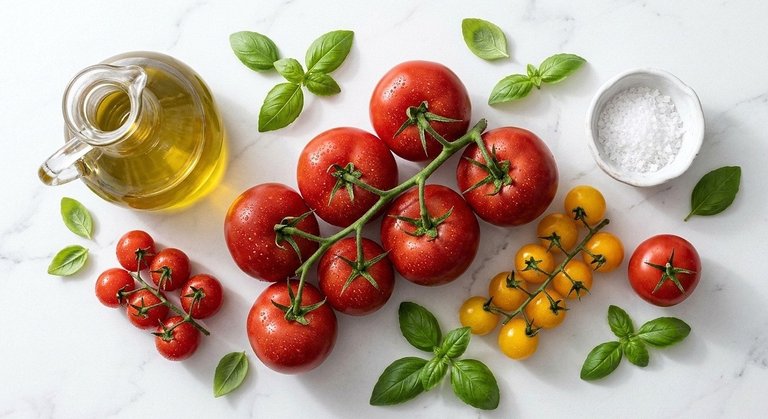
– contain substantial quantities of antioxidant vitamins that assist in the neutralization of free radicals, responsible for causing inflammation. Furthermore, they are a rich source of mineral components, fiber, and bioactive compounds. It is precisely due to all these substances that they display inflammation-inhibiting effects. Vegetables and fruits with the highest antioxidant potential are onions, garlic, leafy green vegetables (endive, spinach), cruciferous vegetables (cabbage, broccoli, cauliflower, Brussels sprouts), carrots, tomatoes, beets, berry fruits (raspberries, strawberries, blackberries), and citrus fruits.
06 / 14
Nuts, peas, seeds - food products rich in unsaturated fatty acids that aid in reducing blood serum LDL cholesterol levels and provide numerous nutrients.
Nuts, peas, and seeds contain substantial amounts of unsaturated fatty acids that assist in regulating blood serum LDL cholesterol levels. Furthermore, they are a significant source of numerous vitamins, minerals, and dietary fiber. Some of the most prominent products in this category include walnuts, hazelnuts, almonds, pumpkin seeds, and flax seeds.
07 / 14
Oily sea fish such as mackerels, herrings, salmons, eels and sardines
– possess anti-inflammatory properties due to the presence of omega-3 fatty acids. These fatty acids inhibit the excessive immune response of the body by reducing damage to cellular structures. The omega-3 fatty acids contained in fish also exhibit anti-allergic, anti-neurodegenerative, anticancer and cardioprotective effects. A diet rich in sources of omega-3 fatty acids helps to reduce the risk of inflammatory diseases.
08 / 14
The seeds of the leguminous plants
Garbanzos, lentils, soybeans, peas, beans or beans display a beneficial influence on inflammatory markers. They supply considerable quantities of proteins, dietary fibers, vitamins, and mineral constituents. Moreover, they lead to a lower glycemic response and do not cause inflammation in the body's cells. A substantial consumption of legumes in the diet inhibits the production of pro-inflammatory cytokines.
09 / 14
Whole grain products
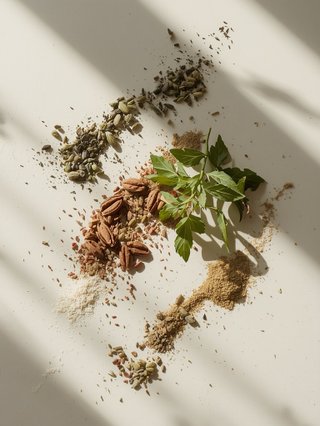
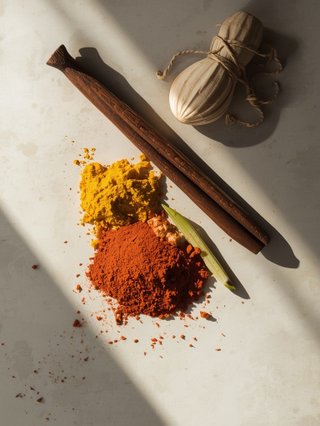
Whole grain products are characterized by a low glycemic index. They contain a significant amount of dietary fiber and bioactive compounds, thus exhibiting anti-inflammatory properties. Studies comparing a low-glycemic-index diet with a high-glycemic-index diet have shown that a low-glycemic-index diet significantly reduces the CRP level in the blood, which is a major indicator of the inflammatory state (O. Gögebakan et al. 2011). Spices – contain large amounts of biologically active compounds that, after consumption, allow for a reduction in the inflammatory state. Spices with the highest antioxidant potential include turmeric, cinnamon, thyme, rosemary, oregano, and ginger.
10 / 14
Olive oil and olives
They acquire their anti-inflammatory effects due to substantial quantities of monounsaturated fatty acids and bioactive compounds.
11 / 14
Red wine
contains a considerable amount of antioxidant molecules (polyphenols) and exhibits anti-inflammatory properties. However, alcohol is harmful to the body, causing inflammation. Although red wine contains certain amounts of polyphenols, it seems advisable to avoid it rather than to consume it for the purpose of reducing inflammation. Beneficial polyphenols can be obtained from other sources, such as dark-skinned fruits, like berries or strawberries.
12 / 14
Herbal tea beverage
Both black and green tea exhibit anti-inflammatory properties due to their bioactive compounds content. However, it is the green variety that has a higher concentration of antioxidant polyphenols. In studies conducted on obese hypertensive patients, it was observed that supplementation with green tea extract led to a significant decrease in inflammatory markers such as CRP and TNF-alpha (P. Bogdanski et al., 2012). Green tea contains approximately 1000 plant substances, a considerable number of which are biologically active. Particular attention should be paid to chlorogenic acid, which has strong antioxidant properties. Moderate amounts of coffee (3-4 cups per day) are safe for the body and have a range of health-promoting properties.
13 / 14
Products intensifying the inflammatory response
The intensification of the inflammatory response is the result of consuming a high-energy diet rich in saturated fatty acids, trans-fatty acids, and simple sugars with a high glycemic index. The main categories of products that may exacerbate the inflammatory response are: processed, fatty and red meats, fast food, processed foods, sweets, salty snacks (e.g., chips, sticks, crackers), sweetened drinks, alcohol, grain products. It is recommended to limit the consumption of the above-mentioned products, as a diet containing large amounts of them leads to an increase in the inflammation marker such as CRP.
14 / 14
Brief Summary
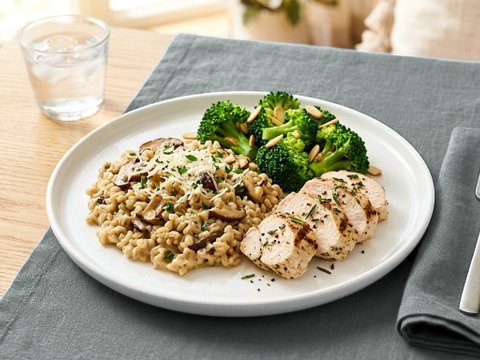
Our diet, rich in vegetables, fruits, spices, and other products containing significant amounts of biologically active compounds, aids in reducing the inflammatory state in the body and thereby decreases the risk of numerous ailments. Hence, a diet with anti-inflammatory potential should be recommended to both healthy individuals and the ill as a preventative measure and protection against diseases.
Meal Plan
Want to apply these guidelines in your daily diet?
Our smart diet generator creates a tailored meal plan in 3 minutes based on the recommendations in this article.

Scientifically reviewed by a clinical dietitian
• 24.03.2026
Arulselvan P. et al., Role of Antioxidants and Natural Products in Inflammation, „Oxidative Medicine and Cellular Longevity” 2016, 5276130. Bogdanski P. et al., Green tea extract reduces blood pressure, inflammatory biomarkers, and oxidative stress and improves parameters associated with insulin resistance in obese, hypertensive patients, ,,Randomized Controlled Trial” 2012, 32(6), 421–427. Dąbrowski M., Choroby autoimmunologiczne – rodzaje, diagnostyka. Czym są jak je leczyć?, przychodniasynexus.pl/choroby-autoimmunologiczne-rodzaje-diagnostyka/#Choroby_immunologiczne_-_rodzaje (6.10.2021). Gögebakan O. et al., Effects of weight loss and long-term weight maintenance with diets varying in protein and glycemic index on cardiovascular risk factors: the diet, obesity, and genes (DiOGenes) study a randomized, controlled trial, ,,Circulation” 2011, 124(25), 2829–2838. Jarosz M. et al., Normy żywienia dla populacji Polski i ich zastosowanie, Warszawa 2020, 102. Patil K.R. et al., Animal Models of Inflammation for Screening of Anti-inflammatory Drugs: Implications for the Discovery and Development of Phytopharmaceuticals, „International Journal of Molecular Sciences” 2019, 20(18), 436. Pelczyńska M., Bogdański P., Prozdrowotne właściwości kawy, „Wybrane Problemy Kliniczne” 2019, 3(4), 311–317. Rondanelli M. et al., Food pyramid for subjects with chronic pain: foods and dietary constituents as anti-inflammatory and antioxidant agents, „Nutrition Research Reviews” 2018, 31(1), 131. Serafini M., Peluso I., Functional Foods for Health: The Interrelated Antioxidant and Anti-Inflammatory Role of Fruits, Vegetables, Herbs, Spices and Cocoa in Humans, „Current Pharmaceutical Design” 2016, 22(44), 6701–6715. Singh N. et al., Inflammation and cancer, „Annals of African medicine” 2019, 18(3), 121–126. Zhu F., Du B., Xu. B., Anti-inflammatory effects of phytochemicals from fruits, vegetables, and food legumes, „Critical Reviews in Food Science and Nutricion” 2018, 58(8), 1260–1270.
Diets Premium Expert
Diets Premium team expert. Specializes in nutrition plans, strength sports, and training plans.
USDA FoodData Central
EFSA
PubMed Clinical Guidelines