Culinary novelties and superfoods: Trends revolutionizing modern gastronomy


Table of Contents 7
Medical & Editorial Disclaimer (§3 Terms): This article is for informational and educational purposes only, does not constitute medical advice, diagnosis, or treatment, and is used at your own risk. Consult a qualified physician for medical conditions.
The physiological benefits discussed throughout the article highlight the importance of diverse, nutrient-rich foods in supporting overall well-being. From the calming properties of L-theanine in matcha to the gut-supporting effects of lactic acid fermentation, these practices offer tangible ways to enhance metabolic and cellular health. Furthermore, the inclusion of complete plant-based proteins and adaptogenic botanicals provides a robust foundation for maintaining homeostasis, while the consumption of secondary metabolites found in varied produce helps protect the body against oxidative stress.
Practical application of these insights involves embracing artisanal preservation methods and choosing whole, minimally processed ingredients. Incorporating functional mushrooms, seaweed, and hemp seeds into daily meals can significantly boost nutrient intake without relying on synthetic additives. By opting for traditional sweeteners like coconut palm sugar and supporting the zero-waste movement through the use of imperfect produce, individuals can foster a healthier relationship with food that is both environmentally conscious and nutritionally rewarding.
The contemporary gastronomic and dietetic market is evolving at an unprecedented pace. Consumers are seeking products that combine exquisite flavor profiles with documented nutrient density, sustainable sourcing, and functional health benefits. This comprehensive guide analyzes the defining nutritional trends: from adaptogenic matcha and artisanal herbal brews to alternative sweeteners, hemp superfoods, and the resurgence of authentic fermentation.
Matcha – Powdered Green Tea and Its Antioxidant Capacity
Matcha is a traditional Japanese green tea produced from shade-grown Camellia sinensis leaves, stone-ground into a micro-fine vibrant emerald powder. Consuming matcha delivers the whole tea leaf along with its full spectrum of bioactive compounds.
- Epigallocatechin gallate (EGCG): A potent catechin that neutralizes reactive oxygen species and safeguards cellular integrity.
- L-theanine: An amino acid that crosses the blood-brain barrier to promote calming alpha waves, supporting alert relaxation.
- Sustained caffeine release: Bound to tannins, caffeine is absorbed gradually, sustaining vitality for 4–6 hours without precipitous crashes.
Herbal Beers and Botanical Tonics – The Revival of Gruit
Before hops became the universal brewing standard, beers were crafted using proprietary botanical blends known as gruit (yarrow, sweet gale, wormwood, juniper). Contemporary artisanal craft is reviving this heritage, developing non-alcoholic and functional botanical elixirs that stimulate digestion.
Coconut Palm Sugar – Characteristics and Glycemic Profile
Coconut sugar is derived by evaporating the sap of unopened flower buds of the coconut palm (Cocos nucifera). It exhibits a deep caramel flavor profile and retains trace minerals (iron, zinc, potassium) alongside inulin—a prebiotic fiber that blunts rapid glucose spikes, conferring a lower to moderate glycemic index (approx. 35–54).
Imperfect Produce and the Zero-Waste Movement
Atypical morphology, asymmetry, or superficial blemishes do not diminish the nutritional or organoleptic quality of fresh produce. Research indicates that plants exposed to mild environmental stress often synthesize elevated concentrations of protective secondary metabolites and polyphenols. Choosing imperfect harvest directly curtails agricultural waste.
Hemp Seeds – Complete Protein and Balanced Omega Fatty Acids
Industrial hemp seeds (Cannabis sativa L.) represent an outstanding plant-based nutritional powerhouse. They provide complete, easily digestible protein rich in edestin and albumin, alongside essential fatty acids in an optimal omega-6 to omega-3 ratio of 3:1, fostering cardiovascular and neurological health.
Asian Culinary Wisdom – Adaptogens, Umami, and Marine Algae
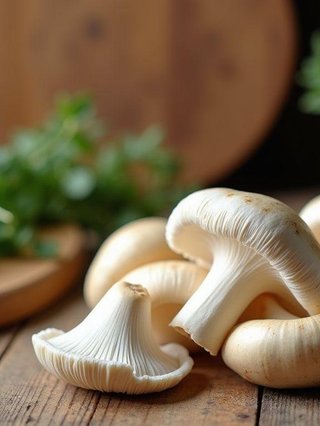
The integration of Asian culinary traditions enriches the modern diet with seaweeds (nori, wakame, kombu—rich in bioavailable iodine and fucoidan), functional mushrooms (shiitake, reishi—abundant in immunomodulatory beta-glucans), and the savory depth of naturally fermented umami.
Smoked and Fermented Foods – Microbiome and Artisanal Preservation
Lactic acid fermentation (kimchi, lacto-fermented vegetables, tempeh) enriches gut microbiota with viable probiotic strains and enhances mineral bioavailability by degrading antinutritional phytates. Paired with artisanal cold smoking, it offers exceptional preservation and complex gastronomic profiles.
Want to apply these guidelines in your daily diet?
Our smart diet generator creates a tailored meal plan in 3 minutes based on the recommendations in this article.
Tags

mgr Tomasz Jankowski
• 23.10.2026Diets Premium Expert
Diets Premium team expert. Specializes in nutrition plans, strength sports, and training plans.