Quinoa – preparation method and characteristics of the pseudocereal quinoa
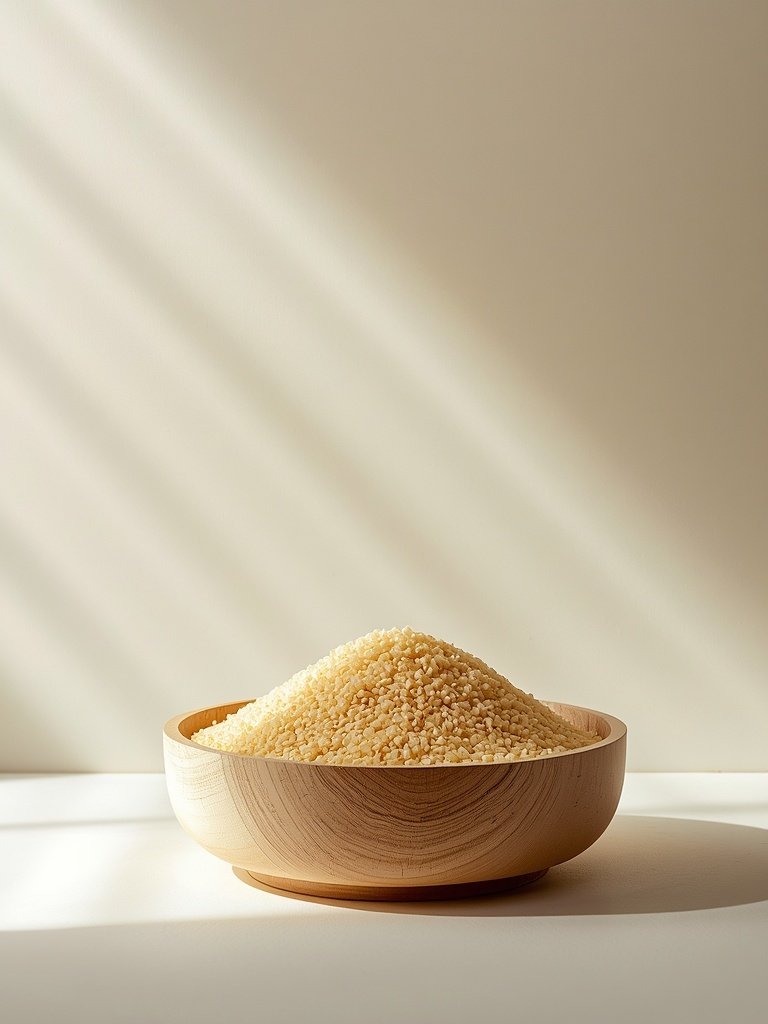
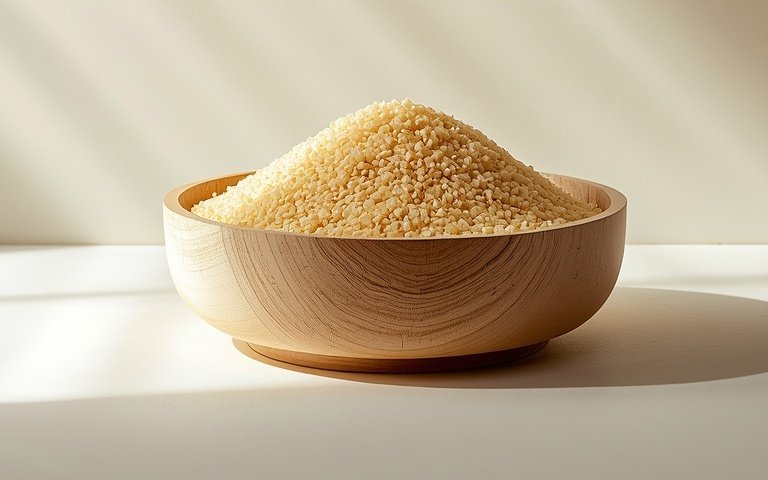
Table of Contents 3
Medical & Editorial Disclaimer (§3 Terms): This article is for informational and educational purposes only, does not constitute medical advice, diagnosis, or treatment, and is used at your own risk. Consult a qualified physician for medical conditions.
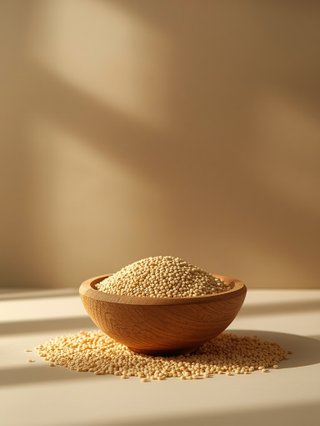
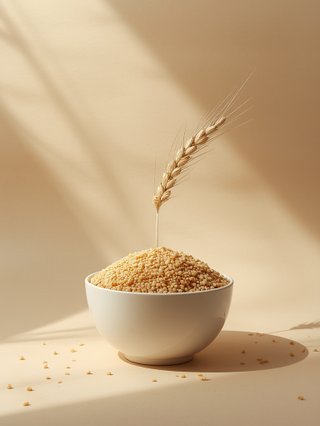
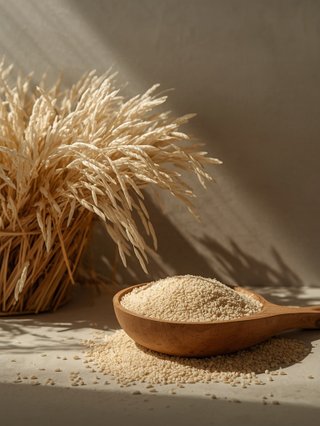
The key physiological advantage of quinoa lies in its complete protein profile, which sets it apart from traditional cereal grains. It delivers essential amino acids—including lysine, methionine, and threonine—that the human body cannot produce on its own. These building blocks are critical for tissue repair, enzymatic functions, and biological synthesis. Across various cultivars, structural differences influence texture and flavor, offering diverse options for wholesome meal preparation.
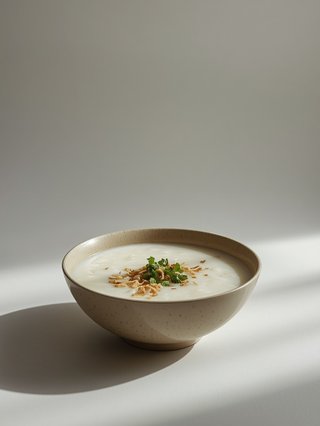
Unlocking the maximum health benefits and culinary appeal of quinoa requires appropriate preparation techniques. Thoroughly rinsing the seeds under cold running water removes naturally occurring bitter compounds from the outer layer. Gentle simmering in water until tenderness is achieved yields a light, nutty base that pairs seamlessly with vegetables and healthy fats, providing a versatile foundation for balanced daily nutrition.
Quinoa (Chenopodium quinoa): Botanical profile, nutritional attributes, and culinary-agricultural applications
Rice goosefoot (quinoa) – nutritional composition and biological value
Quinoa preparation techniques and caloric value from a dietary perspective
Want to apply these guidelines in your daily diet?
Our smart diet generator creates a tailored meal plan in 3 minutes based on the recommendations in this article.

mgr Tomasz Jankowski
• 25.09.2026Diets Premium Expert
Diets Premium team expert. Specializes in nutrition plans, strength sports, and training plans.