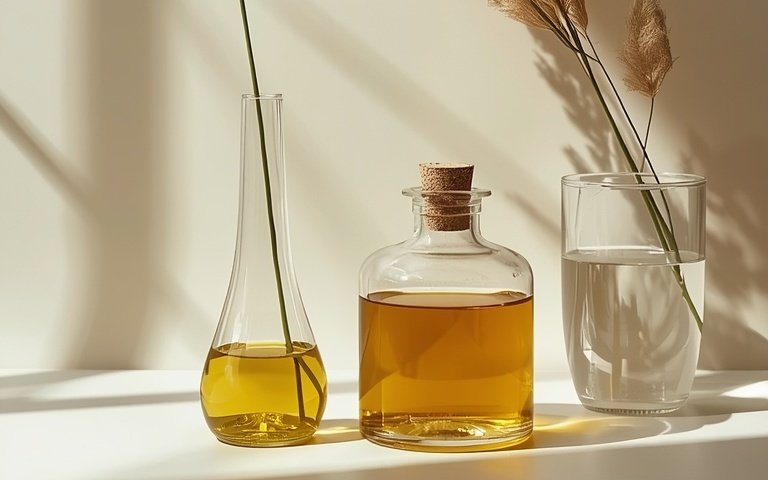
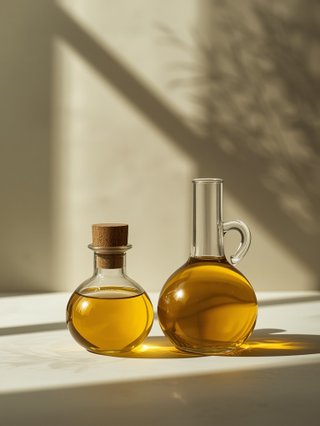
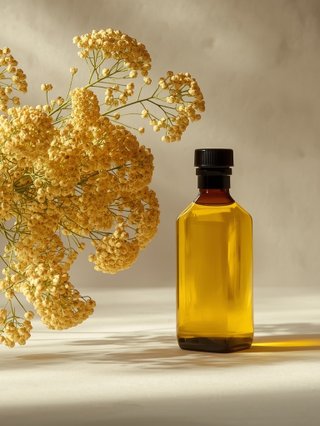
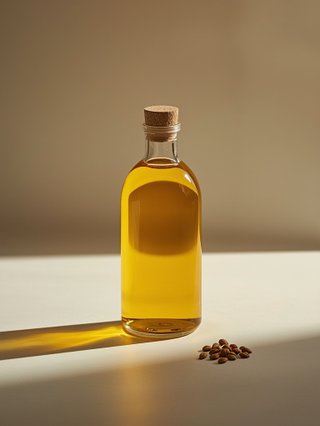
Culinary oils constitute a category of fats extracted from a diverse array of botanical sources, including seeds, kernels, fruits, and roots. For centuries, they have played a pivotal role in both traditional and contemporary cuisines across the globe. Some of these oils undergo thermal processing during frying or baking, while others are incorporated into cold dishes, dressings, or marinades. Beyond enhancing the flavor and aroma of vegetable, meat, or fish-based meals, their dietary inclusion facilitates the absorption of fat-soluble vitamins—such as A, D, E, and K. Rather than restricting oneself to a handful of widely available options like sunflower oil or extra virgin olive oil, it is advantageous to explore the broad spectrum of alternative oils that can enrich our diets with unique nutritional compounds and health-promoting properties.
02 / 11
Food oils, vegetable oils types of oils
Cooking oils are divided according to the plant they come from. They are pressed from their seeds or nuts. Many types of cooking oils stand out:
almond oil walnut oil sunflower seed oil cucumber seed oil grape seed oil black seed oil hemp oil corn oil wild mustard seed oil wheat germ oil parsley seed oil flaxseed oil avocado oil rice oil pumpkin seed oil coconut oil soy oil sesame oil palm oil rapeseed oil sunflower oil olive oil
Almond oil
Almond oil is a rich source of beneficial unsaturated fatty acids, proteins, mineral salts, and vitamins A, B6, and D. The product excellently moisturizes the skin, and due to its pleasant scent, it is used in aromatherapy. It is an ingredient in many balms, supplements, creams, and perfumes. It firms and elasticizes the skin. It effectively fights eczema, psoriasis, and acne. It slows down the aging process of the skin and prevents the formation of stretch marks. Almond oil improves memory and regulates blood pressure. Lowers bad cholesterol levels.. Works perfectly for caring for delicate and sensitive baby skin.. Is a savior for dry hair and splitting nails.. At home, you can make an effective mask for dark circles under the eyes or a moisturizing facial scrub from almond oil.. Walnut oil
Walnut oil is one of the richest sources of omega fatty acids, vitamins A, E, K and B, and minerals such as potassium, magnesium, phosphorus, zinc, and iodine. It is used not only in cooking and medicine, but also in cosmetology. Walnut oil strengthens immunity, has anti-inflammatory properties, and reduces signs of skin aging. Regular use supports the fight against overweight and detoxifies the body. It is obtained by cold pressing the pulp of walnuts. Its sweet and nutty aroma and light yellow color are lost during frying, so it is much better to add it to salads. It pairs wonderfully with French or Italian cuisine. Nut oil is a rich source of unsaturated fatty acids from the omega-3 and omega-6 groups. Just two tablespoons are enough to cover the daily omega-3 requirement. Furthermore, it contains vitamins A, B, E, and ellagic acid, which exhibits anti-cancer properties. Additionally, it lowers blood pressure, regulates HDL cholesterol levels, and reduces stress. Its consumption is recommended for people with heart disease. It also has anti-inflammatory properties and supports brain function, so walnut oil is worth incorporating into the diet of, among others, children and adolescents who are studying. It is also used in cosmetics. It is well absorbed, so it can successfully replace body balms and face creams. Walnut oil is not among the commonly used oils in Poland. Its purchase is much more difficult than olive oil, and the relatively high price makes us consider its choice.. Nevertheless, its taste and aroma can diversify many dishes.. Like the raw material from which it is made, sweet almond oil pressed cold is a source of healthy polyunsaturated fatty acids, various mineral components, and vitamins.. Thanks to its delicate taste, it is an excellent addition to meats, sweet desserts, and the production of marzipan paste.. Evening primrose oil
Evening primrose oil is yellow and has numerous health benefits. It is a rich source of antioxidants (flavonoids), organic acids (malic, citric, ascorbic), tannins, and mineral salts. It supports fatty acid metabolism, due to its high content of, e.g., 21 – 25% GLA (gamma-linolenic acid). Furthermore, it is recommended for individuals with sensitive, prone to irritation, scaling, and cracking skin. It can be confidently used as a substitute for moisturizing and regenerating creams.. It also works perfectly for acne-prone skin, thanks to its antibacterial properties.. After opening the bottle, it should be consumed within a maximum of 12 weeks.. Grape seed oil
It is usually made from grapes intended for wine production. It is practically odorless, making it suitable for all dishes. It is also a rich source of polyunsaturated omega-6 fatty acids. It is best consumed cold, as it is not suitable for frying. Grape seed oil provides vitamin K, which is essential for proper blood clotting. Furthermore, it has antibacterial and antifungal properties, reduces skin imperfections, improves skin elasticity, and strengthens hair. Store it in the refrigerator after opening to prevent loss of its health benefits. When deciding to purchase, it is worth opting for those in dark glass bottles. Grape seed oil is the cheapest among drying oils. Black seed oil
It has a characteristic bitter and slightly spicy taste.. It has a slightly golden color.. It can be eaten directly, added to salads, and enhance the aroma of cottage cheeses or yogurts.. It has a positive effect on the functioning of the entire body, among others. It supports the visual organ, has anti-inflammatory properties, reduces allergy symptoms, HDL cholesterol levels, thus reducing the probability of cardiovascular diseases.. It is a source of vitamin E and A, biotin, sterols, trace elements, and omega-6 unsaturated fatty acids.. However, in cosmetics, it smooths and elasticizes the skin, moisturizes it, and accelerates wound healing. Hemp oil
It is made from hemp seeds. Similar to black seed oil, it has a bitter, nutty, and spicy taste, so it is an excellent choice with sweet additions. It is a source of many valuable properties – 54% of the fatty acids in hemp oil are polyunsaturated omega-6 fatty acids. In turn, saturated fatty acids make up only 10% of them. It should be noted that it should not be subjected to heat treatment, as it loses its valuable properties. Store it in the refrigerator, but no longer than 4 weeks after opening the bottle. It can be used not only in the kitchen but also as a cosmetic. Applied to the skin, it soothes irritation, acne symptoms, or redness. Because it is well absorbed, it can be used as a face cream and body balm. Corn oil
It is pressed from corn kernels.. Refined has a yellowish color, while the unrefined one is intensely orange.. It is a rich source of polyunsaturated fatty acids from the omega-6 group (45 – 70%), vitamin E, phytosterols, and palmitic acid.. Corn oil is responsible for: strengthening the skin, preventing prostate enlargement, regulating HDL cholesterol levels, and exhibiting anti-cancer properties.. It is resistant to high temperatures, so fried dishes can be cooked in it (at a maximum temperature of 90°C). It is also suitable for salads. Oil from spotted rapeseed
Ground peony has strong cleansing properties for the body and supports liver function. It is a natural source of silymarin, a substance used by manufacturers of medications and dietary supplements intended for people with liver diseases. Oil pressed from peony has similar properties. It provides excellent protection against viral hepatitis, supports toxin metabolism, and regenerates liver cells. It should also be added that wild mustard oil aids digestion due to its choleretic properties and prevents the formation of gallstones. Furthermore, it reduces migraine pain, decreases mucosal bleeding (e.g., nose, rectum), supports the treatment of varicose veins, helps fight constipation, and accelerates the healing of wounds and ulcers. Wheat germ oil
Wheat germ is another source of vitamin E, which is why the oil derived from it has an extremely positive effect on the skin – it reduces acne, reduces signs of skin aging, improves its elasticity and complexion. Wheat germ oil also contains phytosterols and unsaturated fatty acids – mainly from the omega-6 group. It is best consumed cold, for example, as an addition to salads and raw vegetables. Parsley seed oil
Parsley seed oil is primarily a source of vitamins A, B1, B2, C, and K. Due to its properties: it strengthens hair, accelerates wound healing, has a positive effect on vision, improves circulation and blood clotting, strengthens the body's immunity, and supports detoxification. It provides iron, which aids in the treatment of anemia. In addition to its wide use in the kitchen, it can also be used as a cosmetic, which allows for the reduction of skin discoloration and improvement of its elasticity. It is particularly recommended for mature skin because it contains parsley acid, which reduces signs of skin aging. Parsley seed oil is not recommended for internal use by pregnant women because it has a strong abortifacient effect. It is also very important to remember to dose it correctly. The amount of oil that can be consumed should not exceed a few drops per day. In cosmetic application, the concentration of parsley seed oil in the final solution should be about 5%. Flaxseed oil
Flaxseed oil is becoming increasingly popular, and its current price is more affordable than it was a few years ago. It is a source of unsaturated omega-3 fatty acids, which distinguishes it from other mentioned vegetable oils. Flaxseed oil contains a lot of vitamin E, which is colloquially called the vitamin of youth. Its beneficial effect on the skin has been known for a long time. However, few of us realize that tocopherol (vitamin E) also significantly reduces the probability of cardiovascular diseases, limits the buildup of atherosclerotic plaques, and causes a decrease in HDL cholesterol in the blood.. Vegetable oils are a wealth of vitamins, minerals, and healthy fats.. The variety of flavors and aromas means that every gourmet will find something for themselves.. Remember that due to the high amount of omega-3 fatty acids, flaxseed oil can only be used cold.. Avocado oil
This oil is obtained from dried avocado pulp. The most uses for this beneficial substance have been found in cosmetics, but there is nothing to prevent you from inviting avocado oil into your kitchen. The substance is rich in vitamins E, C, D, K, A, and B. Its composition also includes numerous minerals such as magnesium, phosphorus, iron, potassium, zinc, and manganese. Avocado oil has antioxidant, regenerating, and antibacterial properties. It moisturizes the skin perfectly and delays the aging process. Avocado oil is considered one of the healthiest oils in the world.. Rice oil
Rice bran oil is the most popular in Asian countries. Its widespread use is due to the fact that it can be eaten cold, but it also performs excellently at high temperatures during frying. Regular use of rice bran oil lowers blood cholesterol levels. The healthy components in rice bran oil include vitamins E and K, inositol, and lecithin. Pumpkin seed oil
This type of oil is made by cold pressing pumpkin seeds. These seeds must not be roasted. The product is distinguished by a pleasant, nutty taste and a greenish color. Pumpkin seed oil originates from Europe, specifically from areas belonging to modern-day Slovenia and Austria. It is a valuable source of omega-6 fatty acid, zinc, selenium, potassium, and vitamins A, D, E, and H. It has antifungal and antibacterial properties. In natural medicine, it is used to combat prostate enlargement. It is also excellent for fighting parasitic diseases.. Coconut oil
Coconut is an annual plant from the daisy family. Due to its color and flavor, coconut oil is used as a substitute for saffron, the most expensive spice in the world. The largest distributors of coconut oil are the Philippines and Indonesia. Unrefined coconut oil has an intense flavor. It should not be subjected to prolonged heat treatment. It is a valuable source of vitamin E and polyphenols. Coconut oil has a beneficial effect on the immune and circulatory systems. This oil is used to relieve severe menstrual pain.. The substance is a valuable source of vitamins E and K.. It is excellent for use on hair and face.. It moisturizes, smooths, reduces skin redness and dryness.. It prevents the formation of pimples and rashes.. It supports the fight against acne, thanks to its anti-inflammatory properties.. Thanks to its MCT content, it effectively supports the fight against overweight by accelerating fat burning.. It lowers harmful cholesterol levels.. Refined coconut oil is an excellent choice for frying, but it has a less intense flavor, and through heat treatment, it loses some of its valuable antioxidant properties. Soybean oil
This oil is cold-pressed and is an excellent source of unsaturated fatty acids and vitamin E. It regulates cholesterol levels and helps fight intestinal deposits. Studies also show that regular use of the oil prevents heart disease, atherosclerosis, hypertension, and stroke. People who consume this oil are less likely to suffer from Alzheimer's disease and enjoy good immunity. The high lecithin content makes the oil beneficial for brain function. Thanks to its high vitamin E content, it positively affects vision improvement. Using this oil is beneficial for fertility and also has a positive effect on the skin – it moisturizes, smooths, soothes inflammation, and accelerates wound healing. It works perfectly for AZS and psoriasis. Sesame oil
Sesame oil has a beautiful, brownish-yellow color and a subtle, nutty taste.. It is a product rich in vitamins, minerals, and omega acids.. It is a valuable source of polyphenols, which gives it its antioxidant effect.. In sesame oil, we find sesamine, lecithin, vitamins B, D and E, phosphorus, iron, zinc, magnesium, and fiber.. Using sesame oil helps maintain optimal blood cholesterol levels, and also supports the fight against asthma, diabetes, atherosclerosis, vision disorders, and cardiovascular diseases.. Sesame oil's cosmetic properties focus on soothing irritation, moisturizing the skin, and smoothing wrinkles. It has antibacterial and moisturizing effects. Sesame oil has a beneficial effect on hair growth and condition. Palm oil
Palm oil is a controversial product.. Its production negatively affects the environment.. Oil palm plantations have degraded the natural forests of Indonesia and Malaysia.. By cutting down rainforests, not only are the lungs of the world killed, but many animal species are also deprived of their homes.. Hydrogenated, refined palm oil contains trans fats, which are dangerous for health and are a major cause of obesity, atherosclerosis, cancer, and infertility.. However, it turns out that unrefined, raw palm oil is a valuable source of vitamins E and K, retinol, and carotenoids.. Almond oil
Almond oil is a rich source of beneficial unsaturated fatty acids, proteins, mineral salts, and vitamins A, B6, and D. The product excellently moisturizes the skin, and due to its pleasant scent, it is used in aromatherapy. It is an ingredient in many balms, supplements, creams, and perfumes. It firms and elasticizes the skin. It effectively fights eczema, psoriasis, and acne. It slows down the aging process of the skin and prevents the formation of stretch marks. Almond oil improves memory and regulates blood pressure. Lowers bad cholesterol levels.. Works perfectly for caring for delicate and sensitive baby skin.. Is a savior for dry hair and splitting nails.. At home, you can make an effective mask for dark circles under the eyes or a moisturizing facial scrub from rapeseed oil.. Rapeseed oil
Popular rapeseed oil is used not only in the kitchen. Its numerous health benefits mean it is also used in medicine and cosmetics. We find it in many lipsticks, candles, and even popular mascara. It improves brain function, is used in the prevention of many cancers, lowers the risk of developing diabetes, and also accelerates metabolism. Regular use reduces bad cholesterol levels and boosts immunity. Rapeseed oil contains vitamins A, D, E and K, antioxidants, and omega 3 and omega 6 fatty acids.. Sunflower oil
Sunflower oil often graces our tables, but its medicinal properties are known to a small group of people. Regular use supports the fight against kidney, heart, lung, stomach, and intestinal diseases. It is also used in dermatology to combat acne, psoriasis, fungal infections, and eczema. Rinses with sunflower oil used orally soothe tooth and throat pain, and it also protects against asthma attacks. It has also been proven to effectively extend sperm viability. Regular consumption of sunflower oil lowers blood sugar levels and strengthens immunity.. It is a valuable source of vitamin E.. It contains the most of it among all vegetable oils.. It can also be used for facial care.. Because the oil has nourishing and moisturizing properties.. Olive oil
Olive oil contains monounsaturated fatty acids, vitamins A, B, C, E, D, and K, as well as minerals such as phosphorus, magnesium, and potassium. Due to its carotenoid content, it exhibits antioxidant activity. The use of olive oil contributes to minimizing the risk of stroke, heart attack, or atherosclerosis. The antioxidant content influences the anti-cancer properties of olive oil. Olive oil has antibacterial and antiviral effects, which supports immunity. It is used for weight loss. It is an effective element in the prevention of type 2 diabetes. The ingredients in olive oil support nerve system function and reduce the risk of depression.