Bitter wormwood – medicinal properties, methods of use, and potential hazards. Recipes for tea, wine, and liqueur from bitter wormwood
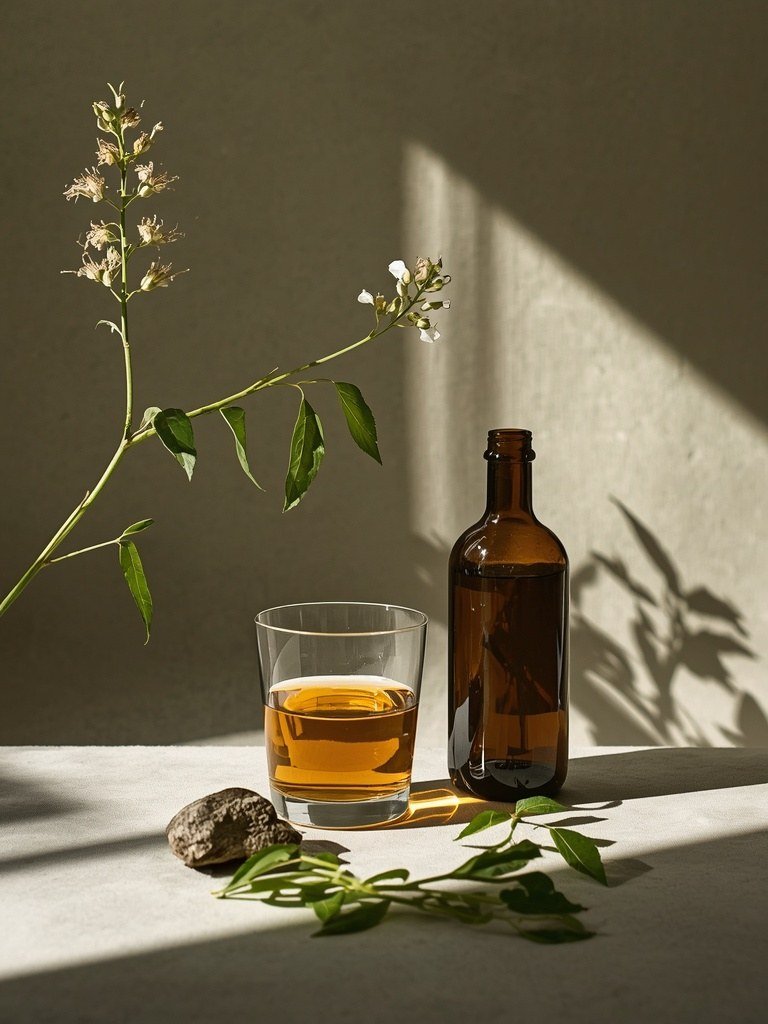
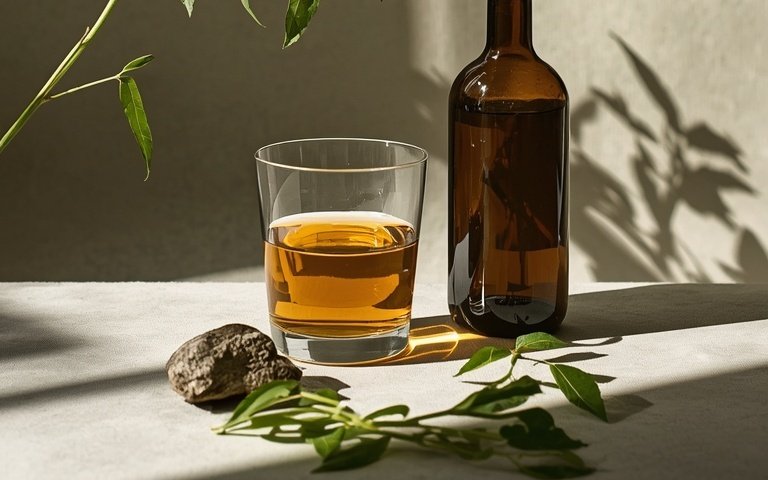
Table of Contents 5
Medical & Editorial Disclaimer (§3 Terms): This article is for informational and educational purposes only, does not constitute medical advice, diagnosis, or treatment, and is used at your own risk. Consult a qualified physician for medical conditions.
The physiological efficacy of wormwood relies on its rich profile of bitter sesquiterpene lactones, essential oils, and tannins. When these bioactive compounds interact with taste receptors on the tongue, they trigger a neural reflex that increases the production of saliva, gastric acid, and liver bile. This cascade optimizes nutrient breakdown, relieves bloating, and exhibits antispasmodic qualities. The underlying literature explores traditional preparations ranging from simple water infusions to herbal wines and concentrated tinctures. A central focus is placed on thujone, a naturally occurring compound that can exert neurotoxic and hepatotoxic effects if consumed in excessive amounts or over prolonged periods.
For daily health management, wormwood serves as a targeted herbal remedy for occasional indigestion or sluggish appetite. Sipping a mild infusion shortly before or after meals can effectively activate the digestive tract. To prevent potential adverse effects on the nervous system and liver, use should strictly remain short-term and moderate. Individuals with pre-existing hepatic, biliary, or neurological conditions should consult a qualified healthcare professional before integrating wormwood into their wellness routine.
Common wormwood, scientifically termed Artemisia absinthium, has been a cornerstone of European and Asian traditional medicine for centuries. Its distinctive bitterness and the presence of bioactive compounds—including absinthin and thujone—render it effective in alleviating digestive discomfort, stimulating appetite, and aiding the body’s detoxification mechanisms. While contemporary herbal medicine has renewed interest in its therapeutic potential, prudence remains essential: excessive consumption or prolonged use of wormwood-based preparations may precipitate severe neurological disturbances or hepatotoxic injury.
Wormwood herb (Artemisia absinthium) – botanical profile
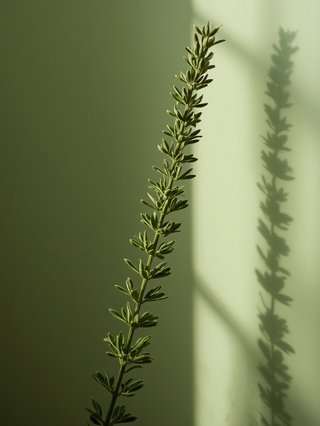
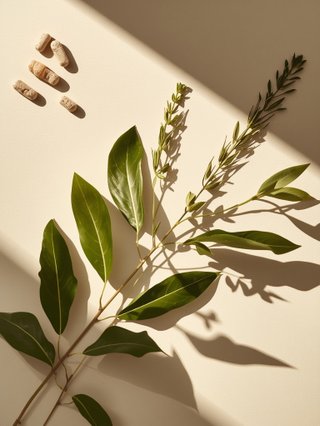
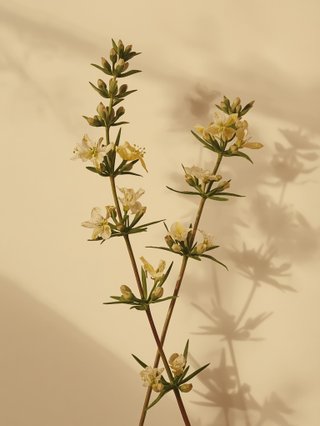
Common wormwood (Artemisia absinthium) is a perennial herbaceous plant belonging to the Asteraceae family, indigenous to temperate regions of Europe, Asia, Northern Africa, and naturalized in North America. In Central and Eastern Europe, it grows wild on sunny wastelands, roadsides, pastures, and rocky slopes. Reaching heights of 1 to 1.5 meters, it produces silvery-grey bushy clumps with grooved stems. Its bipinnate leaves are carpeted with fine silky hairs that guard against desiccation. Small, yellowish-green nodding capitula flower from July to September, and the entire plant exudes a potent, characteristically bitter aromatic fragrance.
Medicinal properties, bitter principles, and digestive action
The pharmacological efficacy of wormwood stems from its rich concentration of bioactive constituents, notably bitter sesquiterpene lactones (absinthin, anabsinthin), volatile oils containing thujone and chamazulene, flavonoids, and tannins. These intensely bitter compounds stimulate lingual gustatory receptors, reflexively triggering the secretion of saliva, gastric hydrochloric acid, and hepatic bile. Consequently, wormwood exhibits potent carminative, choleretic, antispasmodic, and antimicrobial properties, relieving functional dyspepsia, gastric atony, anorexia, and abdominal bloating. Historically, aqueous and ethanolic extracts were also widely employed as anthelmintics against intestinal nematodes and pinworms.
Wormwood infusion – preparation and safe consumption
Wormwood tea infusion represents the most practical and accessible herbal formulation for acute digestive complaints. To prepare the infusion, steep 1 teaspoon (approximately 1 to 1.5 grams) of dried cut herb in 200 ml of boiling water under a lid for 10 to 15 minutes, followed by thorough straining. Given its extreme bitterness, the infusion is typically consumed in modest doses—such as 1 to 2 tablespoons or half a small teacup—taken 30 minutes before meals to stimulate appetite, or postprandially to relieve indigestion. The astringent liquid also serves as an effective antiseptic gargle for oral and pharyngeal inflammations. Continuous usage should not exceed 2 to 3 weeks.
Wormwood wine – traditional formulation and digestive use
Wormwood wine (vinum absinthites) is a classical herbal and pharmacopeial formulation that marries the restorative bitter principles of Artemisia with a quality wine base. In traditional preparations, 4 tablespoons of crushed dried wormwood are first macerated in 100 ml of 40% alcohol for 24 hours to initiate solvent extraction, after which 1 liter of dry white wine is added and left to infuse in a dark environment for 7 to 10 days with regular agitation. Once strained, the aromatic elixir is stored in amber glass bottles. Administered at 1 to 2 tablespoons prior to dining, it functions as a potent natural aperitif that enhances digestive secretions and prevents postprandial heaviness.
Wormwood tincture, absinthe, and thujone toxicology
Wormwood serves as the iconic botanical core of absinthe and concentrated therapeutic stomach bitters. The primary toxicological consideration is the monoterpene thujone, which acts as a GABA-A receptor antagonist and can exert neurotoxic effects when consumed in excessive quantities or over extended periods. Symptoms of thujone toxicity include tremors, convulsions, hallucinations, severe sleep disruption, and renal impairment. Contemporary European regulations strictly mandate a maximum thujone threshold of 35 mg/kg in commercial alcoholic beverages. Wormwood preparations are strictly contraindicated during pregnancy (due to abortifacient and emmenagogue properties), lactation, and in patients suffering from peptic ulcer disease, biliary obstruction, or epilepsy.
Want to apply these guidelines in your daily diet?
Our smart diet generator creates a tailored meal plan in 3 minutes based on the recommendations in this article.
Tags

mgr Emilia Szymańska
• 25.11.2026Diets Premium Expert
Diets Premium team expert. Specializes in nutrition plans, strength sports, and training plans.