Can cheese be addictive? Casomorphins, reward neurobiology, and the phenomenon of appetite for fat and salt
Table of Contents 1
Medical & Editorial Disclaimer (§3 Terms): This article is for informational and educational purposes only, does not constitute medical advice, diagnosis, or treatment, and is used at your own risk. Consult a qualified physician for medical conditions.
Scientific scrutiny highlights the role of beta-casomorphins, which are opioid-active peptides produced during the digestion of casein. These compounds, when combined with the potent hedonic synergy of dietary fats, sodium, and free glutamate, create a powerful stimulus for the brain's reward circuitry. This physiological response explains why certain foods are perceived as particularly rewarding and why they can be difficult to consume in moderation.
To maintain a balanced approach to nutrition, it is helpful to practice mindful eating and become more aware of the triggers that drive specific cravings. Rather than relying on highly palatable snacks, focus on incorporating a diverse range of whole foods into your daily routine. By fostering a healthy relationship with food and paying attention to satiety cues, you can enjoy a varied diet while maintaining long-term wellness and nutritional balance.
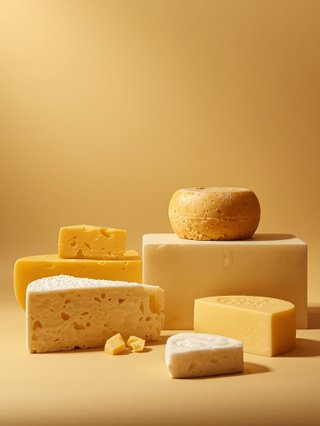
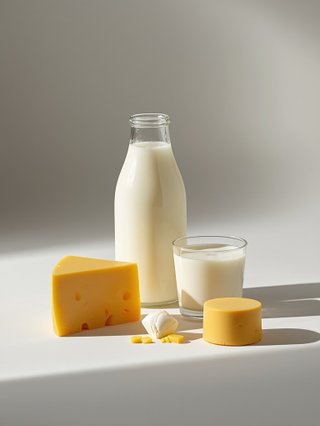
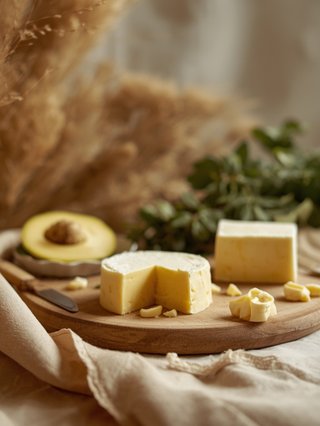
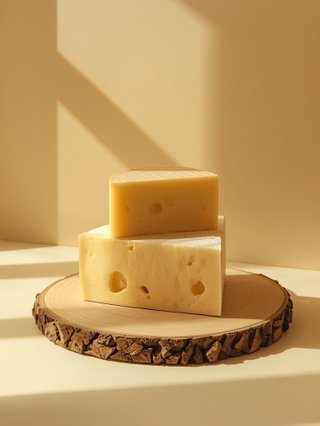
Many consumers report distinct challenges in moderating aged cheese intake, fueling widespread media speculation regarding the 'addictive' nature of dairy products. Scientific scrutiny highlights beta-casomorphins—opioid-active peptides yielded during casein digestion—alongside the potent hedonic synergy of dietary fats, sodium, and free glutamate driving brain reward circuitry.
Unprocessed medicinal substances
Want to apply these guidelines in your daily diet?
Our smart diet generator creates a tailored meal plan in 3 minutes based on the recommendations in this article.
Tags

Mia Hoffmann
• 25.11.2026Diets Premium Expert
Diets Premium team expert. Specializes in nutrition plans, strength sports, and training plans.