Egg – types, nutritional value, production, consumption
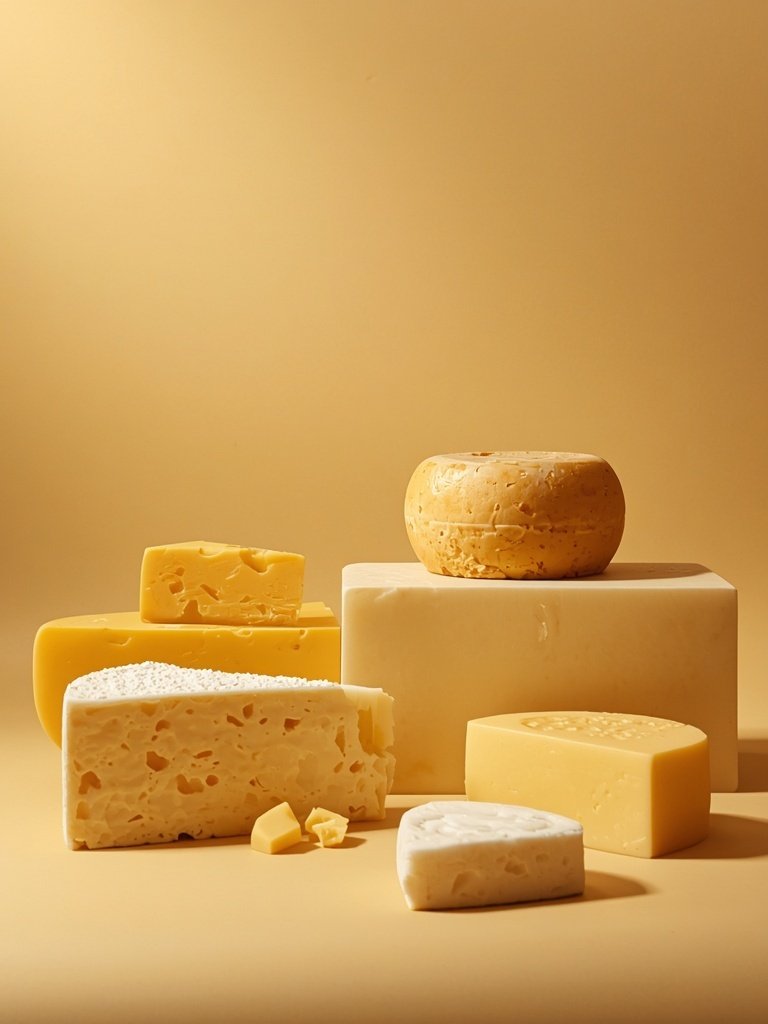
Table of Contents 4
Medical & Editorial Disclaimer (§3 Terms): This article is for informational and educational purposes only, does not constitute medical advice, diagnosis, or treatment, and is used at your own risk. Consult a qualified physician for medical conditions.
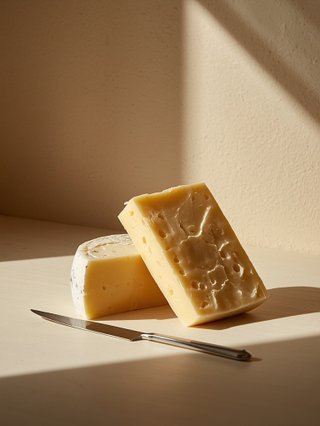
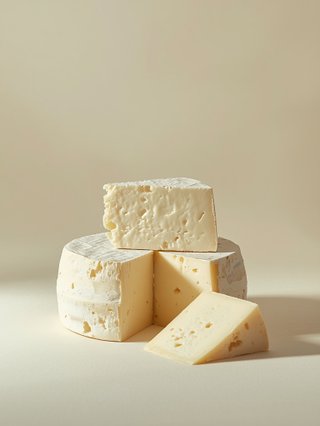
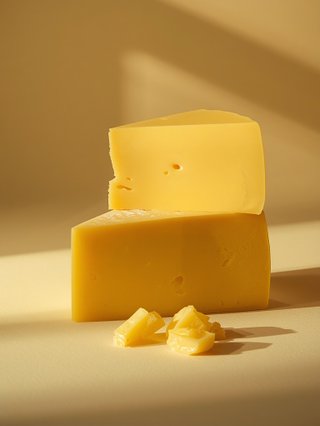
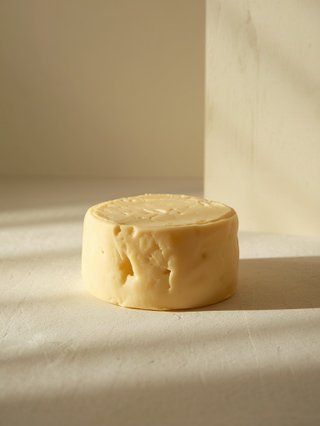
Cheese classification is based on multiple criteria, including the type of milk used—whether cow, goat, or sheep—as well as the duration of aging and fat content. From the mild flavor of Gouda and the characteristic holes of Emmentaler to the pungent blue veining of Gorgonzola, each cheese possesses unique qualities. The production process involves steps such as adding bacterial cultures to milk, converting lactose into lactic acid, and subsequent shaping and aging.
For daily consumption, it is beneficial to consider the nutritional composition of various cheese types. Cheese is an excellent source of complete protein, diverse fatty acids, trace minerals, and fat-soluble vitamins. While low-fat cottage cheese offers a lighter option, blue-veined cheeses provide a denser nutrient profile. Making conscious choices about cheese intake allows individuals to optimally integrate the benefits of this versatile food into their daily eating habits.
Cheese Varieties: Tradition, Diversity, and Culinary Applications
Comprehensive categorization and diversity of cheeses based on raw materials and production methods
Nutritional composition and caloric value of diverse cheese varieties: a dietary and health-oriented analysis
The production of cheese
Want to apply these guidelines in your daily diet?
Our smart diet generator creates a tailored meal plan in 3 minutes based on the recommendations in this article.

Isabella Taylor
• 25.11.2026Diets Premium Expert
Diets Premium team expert. Specializes in nutrition plans, strength sports, and training plans.