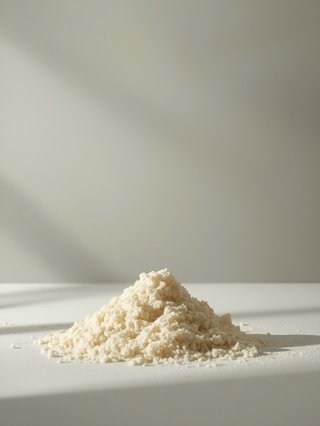
Buckwheat flour – nutritional properties, glycemic index, and culinary uses
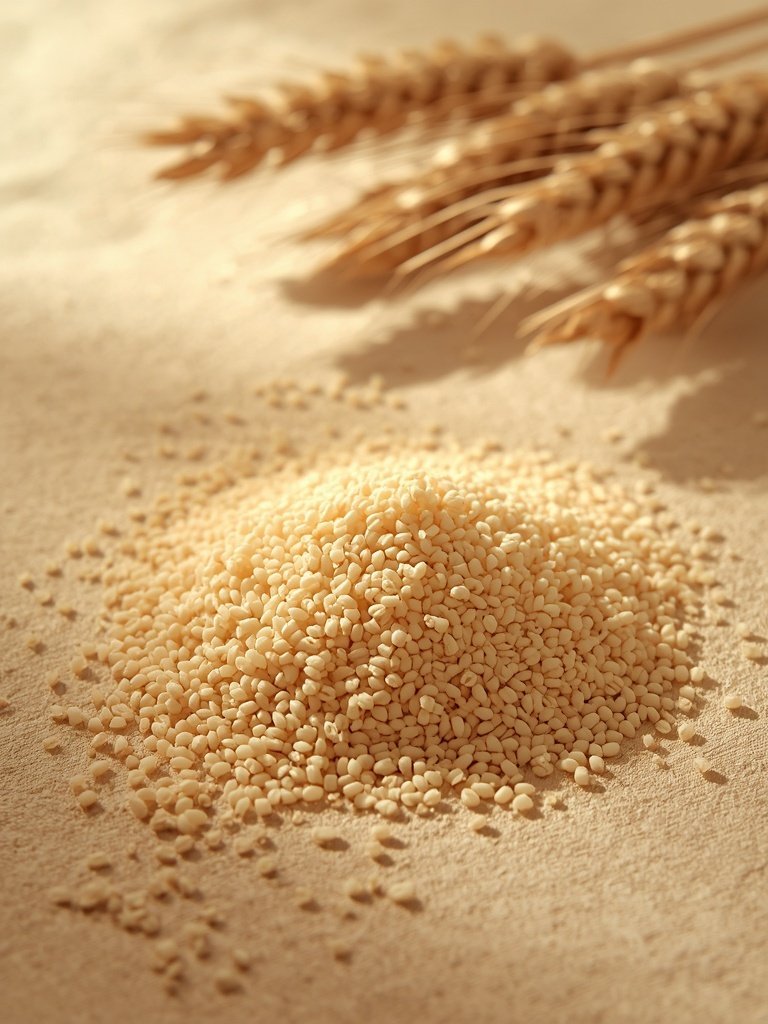

Table of Contents 4
Medical & Editorial Disclaimer (§3 Terms): This article is for informational and educational purposes only, does not constitute medical advice, diagnosis, or treatment, and is used at your own risk. Consult a qualified physician for medical conditions.
The flour is notable for its contribution to glycemic optimization, featuring d-chiro-inositol, an essential messenger in intracellular insulin transduction that can support insulin sensitivity. Its structurally complex starch granules ensure slow enzymatic digestion, leading to a gentle postprandial glucose response. Furthermore, buckwheat flour provides a high-quality amino acid spectrum and a generous supply of minerals, including magnesium, zinc, and copper, contributing to overall well-being.
In culinary applications, buckwheat flour anchors time-honored traditions across various cuisines. It can be used to prepare classic Breton savory galettes, fluffy Eastern European blinis, or nutrient-dense sourdough bread. Whether in its light, unroasted form for delicate pastries or as dark, roasted flour for a robust, toasty aroma, buckwheat flour is a versatile ingredient that enhances daily meals and supports dietary diversity.
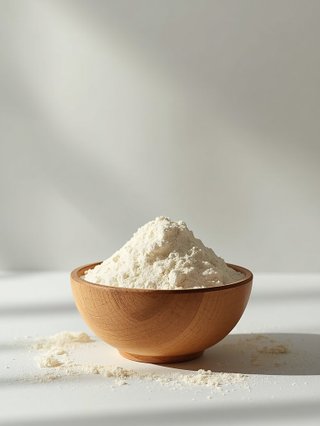
Buckwheat flour, produced from the milled groats of Fagopyrum esculentum, is among the most clinically distinguished gluten-free flours. It is abundant in vasculoprotective bioflavonoids (predominantly rutin), d-chiro-inositol that potentiates peripheral insulin sensitivity, and prebiotic soluble fiber. Boasting a modest glycemic index (GI = 40–45), buckwheat flour provides superior metabolic support for diabetes, metabolic syndrome, and celiac disease management.
Botanical Profile of Buckwheat and Flour Varieties
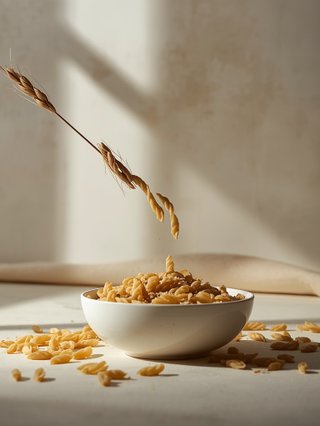
Despite its common name, buckwheat is not a true cereal grass but an herbaceous plant belonging to the knotweed family (Polygonaceae), related to sorrel and rhubarb. Two distinct flour grades predominate:
- Light (unroasted) buckwheat flour – milled from raw green groats; offers a delicate, neutral flavor, creamy color, and exceptional binding properties in delicate pastries.
- Dark (roasted) buckwheat flour – derived from thermally toasted groats; imparts a robust, toasty aroma and deep rustic color, famously utilized in French Breton savory galettes.
Nutritional Value, Rutin, and Cardiovascular Health Benefits
The clinical superiority of buckwheat flour resides in its specialized micronutrient and antioxidant profile:
- Rutin (quercetin-3-O-rutinoside) – a major bioflavonoid reinforcing microvascular capillary integrity, inhibiting thrombocyte aggregation, and managing venous insufficiency.
- High-quality amino acid spectrum (~13% protein) – exceptional lysine and arginine density without harmful inflammatory prolamins.
- Mineral density – generous levels of magnesium (230 mg/100 g), zinc, copper, and B-complex vitamins (thiamine, niacin).
- Dietary fiber (~10 g/100 g) – robust prebiotic fibers that promote lipid clearance and bowel regularity.
Glycemic Impact – Role of D-Chiro-Inositol and Low Glycemic Index
Buckwheat flour stands out as an evidence-based carbohydrate source for glycemic optimization:
- Abundance of D-chiro-inositol (DCI) – buckwheat is nature's most concentrated botanical source of DCI, an essential second messenger in intracellular insulin transduction that directly overcomes insulin resistance.
- Low glycemic index (GI = 40–45) – structurally complex starch granules yield slow enzymatic digestion, flattening postprandial glucose curves.
- Support in PCOS – by mitigating compensatory hyperinsulinemia, DCI aids ovarian androgen normalization in polycystic ovary syndrome.
Culinary Applications – Breton Galettes, Bread, and Blini Recipes
Buckwheat flour anchors time-honored culinary traditions across international cuisines:
- Breton savory galettes (Galettes de sarrasin) – classic French crepes prepared purely with buckwheat flour, water, and sea salt, traditionally folded around Gruyère, smoked ham, and a fried egg.
- Yeast-raised buckwheat blinis – fluffy Eastern European pancakes paired with cultured sour cream and wild smoked salmon.
- Sourdough buckwheat bread – nutrient-dense, gluten-free loaves made from naturally fermented unroasted buckwheat flour reinforced with flaxseed and sunflower seeds.
Want to apply these guidelines in your daily diet?
Our smart diet generator creates a tailored meal plan in 3 minutes based on the recommendations in this article.
Tags

Julia Wójcik
• 25.11.2026Diets Premium Expert
Diets Premium team expert. Specializes in nutrition plans, strength sports, and training plans.