Parsnip (Pastinaca sativa) – nutritional properties, culinary uses, and parsnip cream recipe
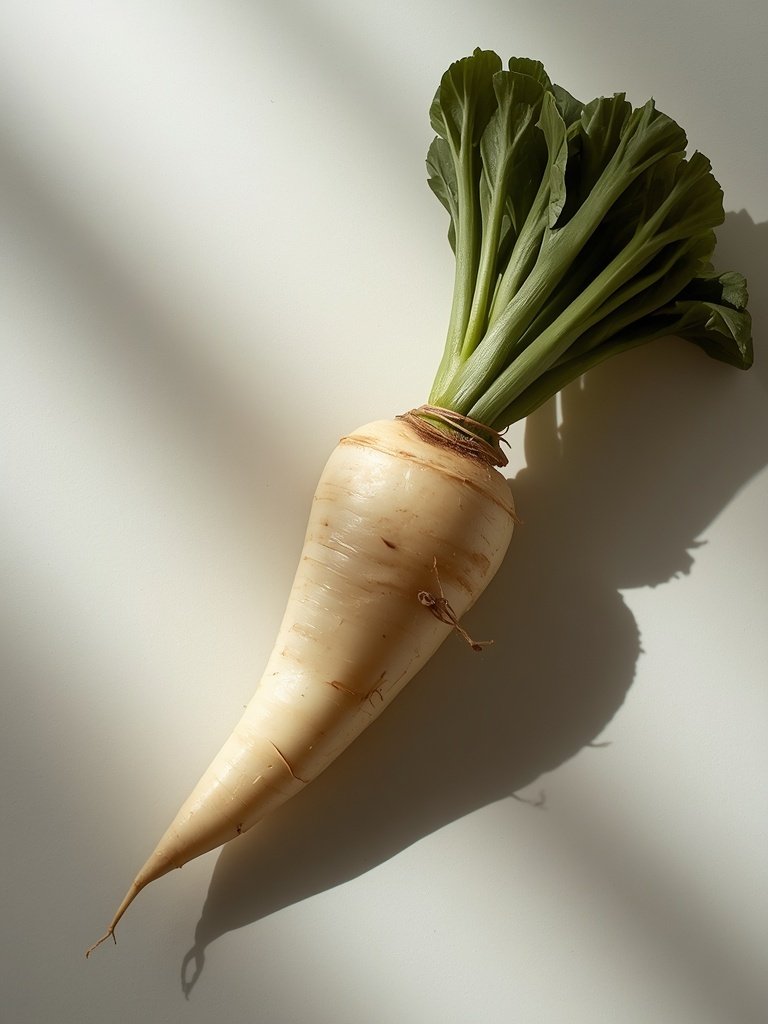
Table of Contents 4
Medical & Editorial Disclaimer (§3 Terms): This article is for informational and educational purposes only, does not constitute medical advice, diagnosis, or treatment, and is used at your own risk. Consult a qualified physician for medical conditions.
From a physiological perspective, the parsnip provides a rich supply of essential nutrients, including potassium and various bioactive essential oils that contribute to a healthy internal environment. Its velvety texture when cooked makes it an excellent choice for creating satisfying dishes that are gentle on the digestive system. By providing a dense source of plant-based nutrients, parsnips help maintain steady energy levels and support the body's natural metabolic processes without the need for processed additives.
In daily practice, parsnips are incredibly versatile and can be used to prepare everything from smooth, creamy soups to roasted vegetable medleys. To maximize their nutritional and culinary benefits, it is recommended to pair them with fresh herbs and high-quality vegetable oils. Whether served as a comforting main dish or a simple side, parsnips offer a delicious way to enhance the quality of daily meals, providing both deep flavor and essential nourishment for a balanced lifestyle.
The common parsnip (Pastinaca sativa) bears a striking visual resemblance to parsley root, frequently leading to confusion at grocery stores and farmers' markets. Although both root vegetables belong to the Apiaceae family, the parsnip is distinguished by its broader crown with a recessed, dark-ringed leaf scar and its mild, sweet-nutty flavor profile reminiscent of cooked carrots with a subtle hint of anise. Thanks to its velvety texture after cooking and its rich supply of potassium, soluble dietary fiber, and bioactive essential oils, parsnip is a prized staple in clinical and culinary nutrition.
What Is Parsnip and How to Distinguish It from Parsley Root?
The common parsnip (Pastinaca sativa) is a biennial root vegetable in the Apiaceae family whose edible storage taproot features a pale cream to light beige skin. Before the widespread cultivation of potatoes and carrots across Central Europe and Poland, parsnips served as a primary dietary source of complex carbohydrates. Today, this heritage root vegetable is experiencing a well-deserved revival in clinical nutrition and modern gastronomy.
Because of its close visual similarity to root parsley, parsnip is occasionally mislabeled in markets during late autumn and winter. Consumers can reliably distinguish the two roots by examining three diagnostic features:
- Crown morphology (leaf attachment site): the top of a parsnip root has a distinctly sunken, concave depression surrounded by a darker brownish ring, whereas parsley root exhibits a raised, convex crown.
- Aroma and flavor profile: when scratched or sliced, parsnip releases a gentle, sweet scent reminiscent of carrots and fennel, whereas parsley root emits a sharp, herbaceous aroma.
- Size and culinary texture: parsnip roots are generally broader at the shoulder, heavier, and cook down rapidly into a smooth, velvety purée rather than remaining fibrous.
Parsnip – Health Benefits and Nutritional Profile
Parsnip is a nutrient-dense root vegetable rich in complex carbohydrates, both soluble and insoluble dietary fiber, essential oils, and bioactive polyacetylenes such as falcarinol. Its caloric value is comparable to that of boiled potatoes: 100 g of fresh parsnip provides approximately 65–75 kcal, comprising 16–18 g of carbohydrates, an impressive 4.0–4.9 g of dietary fiber, 1.5–1.6 g of plant protein, and negligible fat (~0.3 g).
- Digestive health and glycemic regulation: once cooked, parsnip is gentle on the gastrointestinal tract, stimulating healthy intestinal motility and preventing constipation. Its abundant pectin and insoluble fiber fractions slow postprandial glucose absorption, bind bile acids to reduce serum LDL cholesterol, and promote gastric distension to enhance satiety in weight-management protocols.
- Vitamins and antioxidant defense: parsnips supply B-complex vitamins (particularly folate, thiamine, riboflavin, and pyridoxine) essential for methylation and neurological function, alongside vitamin K, vitamin E, and vitamin C (~17 mg/100 g in raw root), which supports collagen synthesis and immune defense against oxidative stress.
- Cardiovascular and blood pressure support: providing roughly 375 mg of potassium per 100 g with virtually no sodium, accompanied by magnesium, phosphorus, zinc, copper, manganese, and iron, parsnip promotes vascular relaxation, mild physiological diuresis, and optimal blood pressure control in hypertensive patients.
Velvety Cream of Parsnip Soup – Step-by-Step Recipe
Cream of parsnip soup is a warming, deeply satisfying dish with a naturally buttery sweetness that pairs wonderfully with crunchy whole-grain sourdough croutons or toasted pumpkin seeds.
Ingredients:
- 4 large parsnip roots, peeled and cubed,
- 2 large potatoes, peeled and diced,
- 1 piece of leek (white and light-green section) and a small piece of celeriac (celery root),
- 1 medium onion and 2 cloves of garlic,
- 1.5 liters of water or homemade vegetable broth,
- 2 tablespoons of cold-pressed rapeseed oil or extra-virgin olive oil,
- Seasonings: 2 bay leaves, 3–4 allspice berries, dried marjoram, freshly grated nutmeg, sea salt, and freshly ground black pepper to taste.
Preparation:
Pour the water or vegetable broth into a stockpot and add the diced potatoes, parsnips, celeriac, and the whole piece of leek along with the bay leaves and allspice berries. Simmer covered over medium heat for 20–25 minutes until the roots are fork-tender. Meanwhile, heat the oil in a skillet and gently sauté the finely chopped onion until golden; add the pressed garlic for the final 20–30 seconds until fragrant. Once the vegetables are tender, remove the bay leaves, allspice berries, and leek segment from the pot. Stir in the sautéed onion and garlic, season with marjoram, nutmeg, salt, and black pepper, and blend until silky and smooth.
Parsnip in the Kitchen – Baked Root Fries and Salad Recipes
Often overlooked or mistaken for parsley root, parsnip shines in both oven-roasted dishes and refreshing probiotic salads. Here are two simple, fiber-rich culinary preparations.
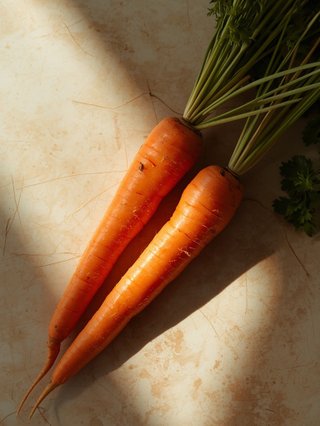
1. Oven-Baked Herbed Parsnip and Carrot Fries
- Ingredients: 3 large parsnips, 3 large carrots, 2 tablespoons of rapeseed or olive oil, sea salt, freshly ground black pepper, and Herbes de Provence to taste.
- Preparation: Peel, wash, and pat dry the roots, then slice them into batons resembling classic French fries. Toss the batons in a bowl with oil, Herbes de Provence, salt, and pepper until evenly coated. Spread in a single layer on a parchment-lined baking sheet and roast in a preheated oven at 180°C (350°F) for 25–30 minutes until tender inside and caramelized along the edges.
2. Parsnip, Crisp Apple, and Fermented Cucumber Salad
- Ingredients: 1 large parsnip root, 1 crisp apple, 2 fermented (lacto-pickled) cucumbers, 1/2 bunch of fresh flat-leaf parsley, 4 tablespoons of thick plain Greek yogurt, freshly ground black pepper.
- Preparation: Peel the parsnip, boil in lightly salted water until just tender, and allow it to cool completely. Dice the cooled parsnip, fermented cucumbers, and apple into uniform cubes. Fold together with the thick natural yogurt, finely chopped fresh parsley, and freshly ground black pepper.
Want to apply these guidelines in your daily diet?
Our smart diet generator creates a tailored meal plan in 3 minutes based on the recommendations in this article.
Tags

Isabella Taylor
• 25.11.2026Diets Premium Expert
Diets Premium team expert. Specializes in nutrition plans, strength sports, and training plans.