Bromelain – Effects and Potential Side Effects

Smart Voice
AITable of Contents 3
Bromelain: A Proteolytic Enzyme Complex Extracted from Edible Pineapple (*Ananas comosus*)
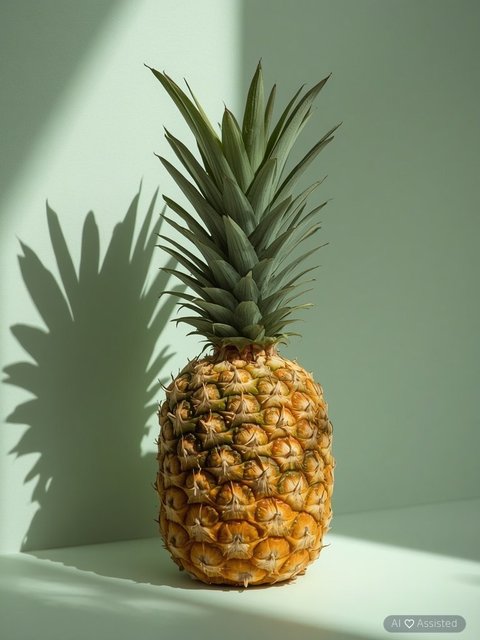
The term "bromelain"—occasionally referred to as "bromelin" in some literary sources—encompasses a collective designation for five distinct proteolytic enzymes systematically extracted from both the fruit clusters and stalks of the edible pineapple (*Ananas comosus*), a tropical plant belonging to the Bromeliaceae family. As a member of the protease class (biological catalysts that facilitate the hydrolysis of peptide bonds within proteins), bromelain has garnered widespread recognition across diverse fields, including clinical medicine, athletic supplementation, and culinary applications. Its most commercially prevalent formulation is a fine, yellowish powder that retains the signature sweet-tart aromatic profile of its source material—ripe pineapple. However, it is critical to emphasize that not all bromelain-containing preparations available on the market exhibit equivalent biological efficacy. The enzymatic activity varies significantly depending on the extraction source: empirical research consistently demonstrates that extracts derived from the whole fruit possess substantially higher potency compared to those obtained solely from the stalks. Notably, when administered orally, bromelain undergoes intestinal absorption at an approximate rate of 40%, with the enzyme being assimilated in its fully active, unaltered conformation, thereby preserving its catalytic functionality. The half-life of bromelain within the human body—defined as the duration during which it maintains therapeutic activity—is estimated by researchers to range between six and nine hours, positioning it as a relatively durable supplement in terms of sustained enzymatic action.
Bromelain: scientifically validated multifaceted health benefits and mechanisms of action
Bromelain: Adverse reactions and precautions for supplementation
Want to apply these guidelines in your daily diet?
Our smart diet generator creates a tailored meal plan in 3 minutes based on the recommendations in this article.

mgr Literatura: Pellicano R. i in., Benefit of dietary integrators for treating functional dyspepsia: a prospective pilot study. Minerva Gastroenterol Dietol. 2009, Baur X, Clin Allergy, 9, (1979), s. 451 M. T. Murry, J.Piwzorno, L. Piwzorno „Encyclopaedia of Healing Foods”. Piatkus 2008, Hale L.P. i in., Treatment with oral bromelain decreases colonic inflammation in the IL-10-deficient murine model of inflammatory bowel disease. Clin Immunol., 2005, Mahajan S. i in., Stem Bromelain-Induced Macrophage Apoptosis and Activation Curtail Mycobacterium tuberculosis Persistence. J Infect Dis. 2012, Buford T.W.i in., Protease supplementation improves muscle function after eccentric exercise. Med Sci Sports Exerc., 2009, Ley CMi in., A review of the use of bromelain in cardiovascular diseases. Zhong Xi Yi Jie He Xue Bao. 2011, Maurer H.R., Bromelain: biochemistry, pharmacology and medical use, Cell Mol Life Sci. 2001, Singh T. i in., Effect of proteolytic enzyme bromelain on pain and swelling after removal of third molars, J Int Soc Prev Community Dent. 2016, Dave S. i in., Inhibition of adipogenesis and induction of apoptosis and lipolysis by stem bromelain in 3T3-L1 adipocytes. PLoS One. 2012, Sree P., Jayakumar K., Vijay, Mathai i in., Immobilization and Kinetic Studies of Bromelain: A Plant Cysteine Protease From Pineapple ( Ananas Comosus) Plant Parts, International Journal of Medical and Health Sciences, 1 (3), 2012, s. 10–16. https://pl.wikipedia.org/wiki/Bromelina
Diets Premium Expert
Diets Premium team expert. Specializes in nutrition plans, strength sports, and training plans.