Nigella seeds oil: a comprehensive guide to uses and health benefits
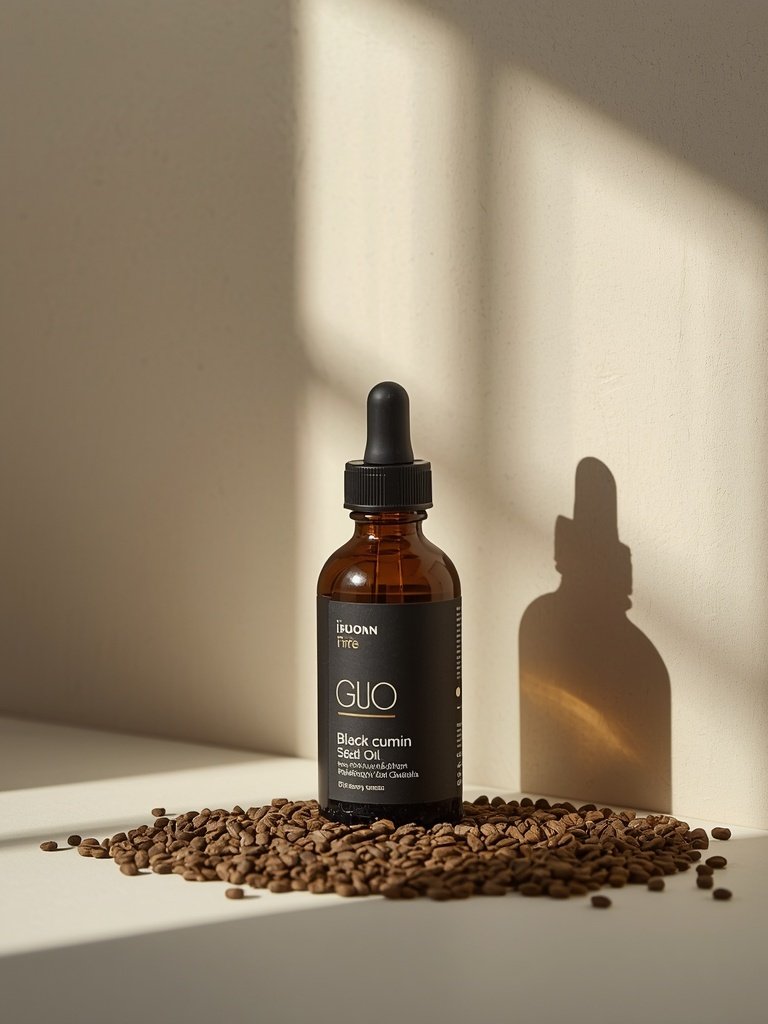
Table of Contents 8
Medical & Editorial Disclaimer (§3 Terms): This article is for informational and educational purposes only, does not constitute medical advice, diagnosis, or treatment, and is used at your own risk. Consult a qualified physician for medical conditions.
At the core of the oil's therapeutic capacity is thymoquinone, a powerful bioactive compound renowned for its robust radical-scavenging and anti-inflammatory mechanisms. By suppressing key inflammatory pathways and shielding cellular structures from oxidative stress, thymoquinone helps preserve tissue integrity throughout the body. Furthermore, the oil acts as a natural mast cell stabilizer, mitigating allergy symptoms and supporting bronchial relaxation. Applied topically, its antibacterial and antifungal properties combat acne-causing microbes and scalp imbalances while essential fatty acids restore the skin's moisture barrier and promote cellular regeneration.
To preserve its active constituents, black seed oil should strictly be consumed raw and never exposed to high heat. Incorporating small amounts into daily meals, such as dressing fresh salads, mixing into dips, or pairing with raw honey, helps prevent mild digestive discomfort from its characteristic pungent flavor. For cosmetic applications, massaging the oil into damp skin or utilizing it as a pre-wash scalp treatment yields the best restorative results. Proper storage in dark glass containers within a cool environment is essential to prevent oxidation, and pregnant individuals should avoid internal use as a precautionary measure.
A comprehensive clinical guide to the properties, biochemical profile, and practical utilization of black cumin seed oil (Nigella sativa). Discover scientific evidence supporting thymoquinone's impact on immune resilience, dermatology, digestive health, and respiratory function, alongside safe dosing guidelines.
Botanical profile and oil production
Black seed (Nigella sativa), historically revered as black cumin or the 'gold of the Pharaohs', is an annual herbaceous plant belonging to the buttercup family (Ranunculaceae), indigenous to the Mediterranean basin and Southwest Asia. Its tiny, matte black seeds contain roughly 35–40% lipids alongside a concentrated volatile essential oil fraction.
Superior-grade therapeutic oil is obtained via unheated mechanical cold-pressing strictly maintained below 40°C (104°F). This gentle processing ensures retention of its characteristic deep amber-olive hue, pungent spicy fragrance, and uncompromised bioactivity of natural phytosterols, mixed tocopherols, and volatile phytochemicals.
Thymoquinone and antioxidant mechanisms
The primary bioactive compound in black seed oil is thymoquinone (TQ), constituting up to 30–50% of the volatile fraction. Thymoquinone exhibits formidable radical-scavenging capabilities, directly neutralizing hydroxyl and superoxide free radicals.
By suppressing lipid peroxidation in biological membranes, thymoquinone shields hepatocyte and cardiomyocyte integrity during systemic oxidative distress. It downregulates the master inflammatory transcription factor NF-kappaB, attenuating the synthesis of pro-inflammatory cytokines (including TNF-alpha, IL-1beta, and IL-6). Complementary synergy is provided by dithymoquinone, thymohydroquinone, and thymol, providing comprehensive cellular DNA protection.
Internal administration and culinary use
Black cumin seed oil must be consumed strictly unheated. The recommended prophylactic dosage for healthy adults is 1 to 2 teaspoons (approximately 5–10 ml) daily, ideally ingested alongside meals containing complex carbohydrates or dietary fats to avoid gastrointestinal upset.
Due to its pungent, peppery flavor profile, it enriches fresh Mediterranean salads, brassica slaws, herb dressings, hummus, and artisanal sourdough breads. It is also traditionally blended with raw honey and fresh lemon juice to formulate an immune-supportive tonic during winter months.
Care for acne-prone and problematic skin
The formidable antibacterial and anti-inflammatory attributes of black seed oil render it a valuable botanical therapeutic in acne-prone dermatology. Bioactive constituents—primarily thymoquinone and p-cymene—effectively suppress the proliferation of Cutibacterium acnes and pathogenic Staphylococcus aureus strains.
The oil rapidly diminishes papulopustular inflammatory flares and accelerates the resolution of post-acne erythema without disrupting the epidermal acid mantle or stripping moisture. With a low comedogenic profile, it can be applied directly as a targeted spot treatment or blended into soothing hydrators.
Allergy relief and respiratory support
Clinical investigations demonstrate that black seed oil functions as an effective natural mast cell stabilizer, inhibiting histamine degranulation triggered by airborne and dietary allergens. It provides notable symptomatic relief in patients afflicted by seasonal allergic rhinitis (hay fever) and atopic eczema flares.
Furthermore, nigellone and thymoquinone exert documented antispasmodic and bronchodilatory actions on tracheal and bronchial smooth muscle, improving airflow parameters and mitigating bronchial hyperresponsiveness in asthma-prone individuals.
Anti-aging benefits and skin regeneration
With its abundant reservoir of natural vitamin E (tocopherols) and essential linoleic acid, black seed oil deeply replenishes moisture in dry skin, safeguards dermal collagen architecture from oxidative degradation, and visibly smooths fine expression lines.
Natural phytosterols accelerate keratinocyte differentiation and epidermal repair, facilitating the resolution of micro-fissures and aiding the management of eczema and localized psoriasis. Massaged into damp facial skin, it establishes a resilient shield against urban pollution and environmental oxidative stressors.
Hair revitalization and dandruff control
Regularly massaging black seed oil into the scalp delivers essential micronutrients directly to hair roots, curtailing premature shedding and encouraging robust growth. Active terpenes enhance perifollicular microcirculation, ensuring steady delivery of amino acids and fatty acids.
Furthermore, its antifungal properties eradicate Malassezia yeasts driving stubborn dandruff, seborrhea, and scalp pruritus. A 45-to-60-minute pre-wash scalp treatment visibly fortifies brittle strands, restores vibrant shine, and promotes hair density.
Precautions, contraindications, and storage
Despite its remarkable safety record, internal therapeutic dosages of black seed oil are strictly contraindicated during pregnancy due to potential uterine muscle contractions. Individuals receiving oral hypoglycemic medications or antihypertensives should exercise caution due to potential additive effects.
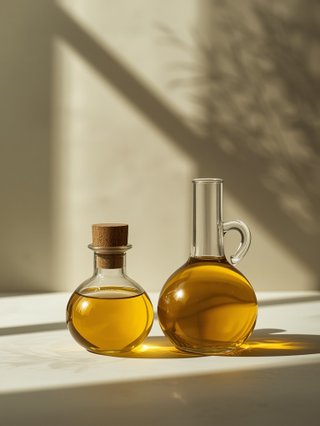
Always store the oil in dark, light-filtering amber glass bottles within a cool pantry or refrigerator. Strict protection against heat and photo-oxidation prevents fatty acid peroxidation, guaranteeing that its potent thymoquinone reserves remain intact throughout use.
Want to apply these guidelines in your daily diet?
Our smart diet generator creates a tailored meal plan in 3 minutes based on the recommendations in this article.
Tags

Oliwia Kaczmarek
• 23.10.2026Diets Premium Expert
Diets Premium team expert. Specializes in nutrition plans, strength sports, and training plans.