Bay leaf – a versatile ally for joints, hair health, and weight control. Scientifically proven therapeutic properties of the noble bay leaf
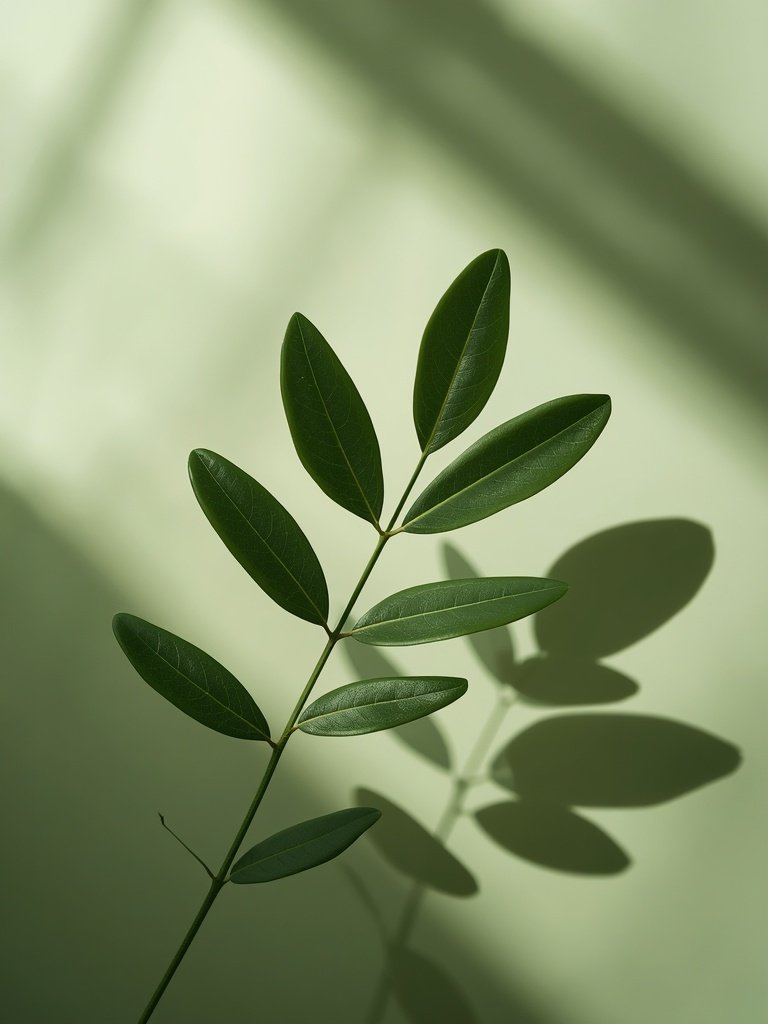

Table of Contents 4
Medical & Editorial Disclaimer (§3 Terms): This article is for informational and educational purposes only, does not constitute medical advice, diagnosis, or treatment, and is used at your own risk. Consult a qualified physician for medical conditions.
The physiological benefits stem from a complex synergy of volatile essential oils and antioxidant compounds that help defend cellular structures against oxidative stress. Furthermore, these active constituents naturally encourage healthy digestion by promoting gastric secretions and supporting overall metabolic harmony within the body.
Incorporating bay leaves into daily routines can be achieved through soothing herbal infusions or targeted botanical hair rinses designed to nurture scalp vitality. Embracing these traditional approaches within a balanced lifestyle contributes to long-term vitality and everyday wellness.
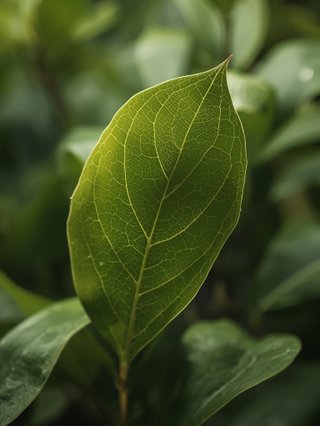
Sweet bay (Laurus nobilis), universally known as the bay leaf, is far more than a staple culinary seasoning; it represents a classical botanical remedy with deep Mediterranean roots. Rich in volatile essential oils, sesquiterpene lactones, and polyphenol antioxidants, bay leaves deliver profound anti-inflammatory, analgesic, digestive, and antimicrobial benefits.
Therapeutic and Phytochemical Properties of Bay Leaf
Bay leaves contain an abundant spectrum of active phytochemicals, predominantly 1,8-cineole (eucalyptol), eugenol, linalool, tannins, and polyphenolic flavonoids. These constituents exhibit robust antioxidant capacity, defending cellular membranes against lipid peroxidation.
Moreover, scientific investigations indicate notable hypoglycemic and lipid-modulating effects. Clinical trials in subjects with type 2 diabetes demonstrated that daily consumption of 1–3 g of powdered bay leaves over 30 days significantly decreased fasting blood glucose, total cholesterol, LDL, and triglycerides, while favorably increasing HDL levels.
Bay Leaf for Joint Health and Rheumatic Discomfort
Owing to its concentrated eugenol and sesquiterpene lactone fractions, bay leaf has traditionally served as a potent botanical remedy for musculoskeletal inflammation, inhibiting cyclooxygenase-2 (COX-2) and pro-inflammatory cytokine expression.
Both internal decoctions (utilized in structured, short-term cleanse protocols) and topical laurel oil are employed. Applying laurel oil externally induces mild local hyperaemia, warming joints, accelerating metabolic clearance, and alleviating arthritis and rheumatic stiffness.
Bay Leaf for Hair Health and Scalp Vitality
Infusions of bay leaves serve as an exceptional herbal hair rinse. Their inherent antifungal and antiseptic attributes suppress the proliferation of Malassezia yeast species, the primary trigger of stubborn dandruff.
Furthermore, active compounds invigorating cutaneous scalp microcirculation nourish hair follicles, curtail shedding, and stimulate the emergence of new growth. Rinsing with laurel water regulates sebum excretion and imparts natural shine to lacklustre hair.
Bay Leaf for Weight Management and Metabolic Optimization
Bay leaf's role in weight management centers on stimulating gastric secretions and bile flow, facilitating efficient lipid digestion while mitigating abdominal bloating and postprandial fullness.
With gentle diuretic properties, bay leaf tea (frequently paired with Ceylon cinnamon or ginger) assists in expelling retained fluids and reducing puffiness. Moreover, stabilizing postprandial glucose prevents sharp insulin spikes, which helps suppress sugar cravings and improves appetite control.
Want to apply these guidelines in your daily diet?
Our smart diet generator creates a tailored meal plan in 3 minutes based on the recommendations in this article.
Tags

Laura Schneider
• 25.11.2026Diets Premium Expert
Diets Premium team expert. Specializes in nutrition plans, strength sports, and training plans.