Hypotension (low blood pressure) – clinical symptoms, etiological factors, and the role of nutrition in prevention and therapy


Table of Contents 4
Medical & Editorial Disclaimer (§3 Terms): This article is for informational and educational purposes only, does not constitute medical advice, diagnosis, or treatment, and is used at your own risk. Consult a qualified physician for medical conditions.
From a pathophysiological perspective, arterial hypotension is categorized into primary and secondary variants depending on its underlying determinants. Primary constitutional hypotension stems from an inherently low sympathetic vascular tone and reduced peripheral arterial resistance, whereas secondary hypotension develops alongside systemic conditions such as hypothyroidism, primary adrenal insufficiency, valvular heart disease, severe iron-deficiency anemia, or fluid depletion. When transient cerebral hypoperfusion and diminished peripheral microvascular delivery occur, affected individuals frequently experience chronic fatigue, morning lethargy, lightheadedness, impaired concentration, tension headaches, blurred vision, tinnitus, pronounced weather sensitivity, and compensatory reflex tachycardia.
To help manage hypotensive symptoms in everyday life, evidence-based dietary and lifestyle adaptations serve as foundational non-pharmacological strategies. Rather than consuming heavy, carbohydrate-dense meals that trigger postprandial splanchnic blood pooling, distributing nutritional intake across several smaller, nutrient-dense meals throughout the day supports steadier circulatory balance. Furthermore, maintaining consistent hydration with sodium- and mineral-rich fluids helps support circulating plasma volume, offering practical dietary guidance for promoting vascular stability.
Circulatory disorders represent a widespread health challenge in modern society, predominantly manifested through conditions such as hypertension, ischemic heart disease, cardiac arrhythmias, and chronic venous insufficiency. However, clinical practice frequently encounters the inverse disturbance: chronically reduced arterial blood pressure, known as hypotension. An evidence-based nutritional protocol, targeted fluid balance, and lifestyle adaptations serve as foundational interventions to mitigate hypotensive symptoms. Understanding the neurovascular regulatory mechanisms facilitates effective prevention of orthostatic episodes and restores optimal functional capacity in affected individuals.
Definition and Classification of Arterial Hypotension
In clinical medicine, standard normotensive blood pressure in adults corresponds to values around 120/80 mm Hg. Arterial hypotension is formally diagnosed when resting systolic blood pressure consistently drops below 90–100 mm Hg and diastolic pressure falls below 60 mm Hg. Three distinct clinical variants are recognized: primary (constitutional or idiopathic) hypotension, largely attributed to hereditary low vascular tone and arterial elasticity; secondary hypotension, arising secondary to systemic disorders, endocrine deficiencies, or medication side effects; and orthostatic (postural) hypotension, characterized by a sudden reduction in arterial pressure upon standing due to sluggish baroreceptor reflex adaptation.
Clinical Manifestations and Symptoms of Hypotension
The symptomatology of hypotension originates from transient cerebral hypoperfusion and reduced peripheral microvascular delivery. Affected individuals predominantly report chronic fatigue, morning lethargy, apathy, recurrent lightheadedness, and presyncope or syncope. Additional common signs include impaired mental concentration, tension-type cephalalgia, visual obscurations (photopsia or blurred vision), tinnitus, mild nausea, and pronounced weather sensitivity. Compensatory reflex tachycardia, peripheral vasoconstriction presenting as cold extremities, and marked facial pallor frequently accompany these presentations, occurring with highest prevalence among asthenic young women and elderly cohorts.
Causes and Pathophysiological Mechanisms of Hypotension
The etiology of hypotension depends substantially on its underlying pathophysiological classification. Primary hypotension is governed by constitutionally low sympathetic vascular tone and diminished peripheral arterial resistance. Conversely, secondary hypotension arises from identifiable systemic conditions, including endocrine disorders (hypothyroidism, primary adrenal insufficiency/Addison's disease), valvular heart disease, arrhythmias, severe iron-deficiency anemia, hypovolemia, or autonomic diabetic neuropathy. Iatrogenic medication effects from antihypertensives, diuretics, psychotropics, and nitrates represent another frequent cause. Orthostatic hypotension is mediated by blunted baroreflex sensitivity, resulting in gravitational venous pooling within the splanchnic circulation and lower limbs upon rapid standing.
Dietary Guidelines and Lifestyle Strategies for Hypotension
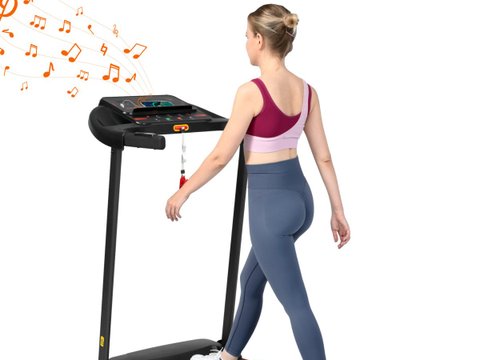
Targeted non-pharmacological interventions form the cornerstone of hypotensive symptom management. Patients benefit from consuming 4–5 smaller, nutrient-dense meals throughout the day, preventing postprandial splanchnic blood pooling that typically follows heavy, high-carbohydrate meals. Robust hydration—consuming at least 2.0 to 2.5 liters of sodium- and mineral-rich fluids daily—is crucial to expand circulating plasma volume. Unlike hypertensive individuals, hypotensive patients are often encouraged to moderately liberalize dietary sodium intake. Herbal infusions containing rosemary, thyme, or peppermint gently support vascular tone, while moderate caffeine intake from coffee or green tea offers acute symptomatic elevation. Regular aerobic exercise, contrast showers, and sleeping with a slightly elevated headrest further promote vascular competence.
Want to apply these guidelines in your daily diet?
Our smart diet generator creates a tailored meal plan in 3 minutes based on the recommendations in this article.
Tags

mgr Tomasz Jankowski
• 25.11.2026Diets Premium Expert
Diets Premium team expert. Specializes in nutrition plans, strength sports, and training plans.