






Women's Health • CLINICAL PROTOCOL

Postpartum Recovery

Personalized, evidence-based nutrition guidelines (EBM) dedicated to Postpartum Recovery. Balanced macronutrients, micronutrition, and elimination of pro-inflammatory factors.

Postpartum Recovery
HOW TO START

It's Easy to Start Today!

Eat Healthy

Precisely selected nutrients supporting metabolic balance and tissue regeneration.

Workout Hard

Physical activity safely tailored to your clinical conditions and baseline endurance.

Enjoy Your Life

Psychoemotional balance, restful sleep, and stress reduction as indispensable pillars of recovery.

SERVICES & PROTOCOLS
Personal Health Program

Personal Health Program

Dedicated medical nutrition therapy and dietary protocols for Postpartum Recovery.

Personal Fitness Trainer

Personal Fitness Trainer

Tailored workout plan and physical exercise supporting therapy.

Wellness Counseling

Wellness Counseling

Specialist support and continuous monitoring of health progress.

Diet Programs

Diet Programs

Precise calculation of BMR, TDEE, and micronutrient balance.

Refreshing Citrus Background
FREE RECOMMENDATIONS

Change Your Health in One Day!

Special Program for Sensitive Nutrition
POPULAR PROGRAMS & CLINICAL PROTOCOLS

Special Program for Sensitive Nutrition

Individually formulated nutrition protocols for individuals managing specific metabolic and allergic requirements in Postpartum Recovery.

Allergen exclusion, gut microbiota support, and optimization of carbohydrate-lipid metabolism.

8
Programs
161
Happy Customers
7
Awards
117
Success Stories

Other Groups in Category: Women's Health

Articles and Guides in — Postpartum Recovery

Publications, recommendations, and clinical analysis in Postpartum Recovery

30 publications
What to eat in the evening: list of recommended and forbidden foods for dinner – rules for healthy eating before sleep

What to eat in the evening: list of recommended and forbidden foods for dinner – rules for healthy eating before sleep

Dinner is arguably surrounded by more persistent nutritional myths than any other daily meal—ranging from arbitrary curfews such as never eating after 6:00 PM to severe nocturnal fasts that inevitably prompt midnight refrigerator binges. Chronobiology and metabolic science conclusively demonstrate that what matters most is not an inflexible clock time, but macronutrient balance and digestibility relative to bedtime. A well-planned dinner supports overnight cellular repair, facilitates melatonin synthesis, stabilizes nocturnal glycemia, and avoids gastrointestinal strain for deep restorative sleep.
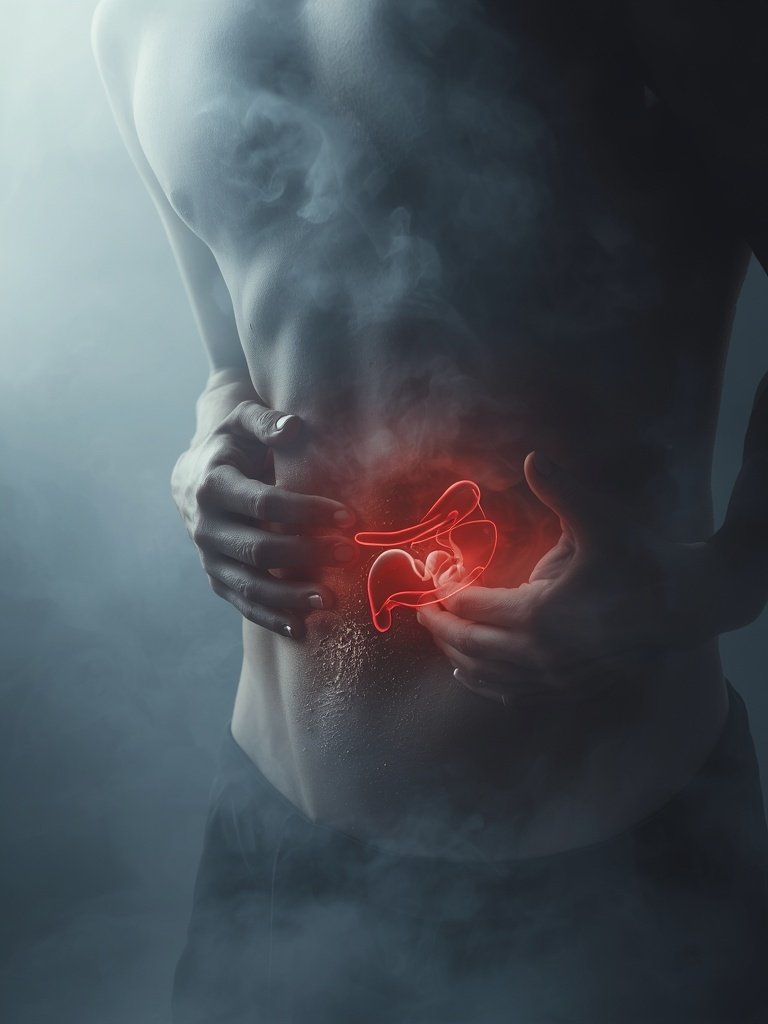

Abdominal hernia – recognizing symptoms, surgical treatment methods, and dietary recommendations during the recovery period

Abdominal hernia – recognizing symptoms, surgical treatment methods, and dietary recommendations during the recovery period

The anatomical structures of the abdominal cavity, including the muscular wall and ligamentous support, play a vital role in maintaining internal organs in their physiological positions. An abdominal hernia develops when increased intra-abdominal pressure—triggered by strenuous physical exertion, chronic coughing, or persistent constipation—forces an organ fragment or adipose tissue through a weakened area of the abdominal wall. This condition carries significant health hazards, particularly the risk of incarceration or strangulation with compromised blood supply, demanding prompt clinical evaluation, surgical intervention, and appropriate dietary support.

Shingles (Herpes zoster) – clinical symptoms, VZV reactivation, pharmacotherapy, and nutritional support

Shingles (Herpes zoster) – clinical symptoms, VZV reactivation, pharmacotherapy, and nutritional support

Herpes zoster (shingles) is a localized infectious disease resulting from the reactivation of latent Varicella-zoster virus (VZV) residing dormant within sensory dorsal root or cranial ganglia following primary chickenpox. When cell-mediated immunity declines, viral replication triggers unilateral, excruciating neuralgic pain accompanied by dermatomal vesicular eruptions. How is antiviral pharmacotherapy optimized, what prevents postherpetic neuralgia (PHN), and how does targeted nutritional support—specifically L-lysine and B-complex vitamins—enhance recovery?

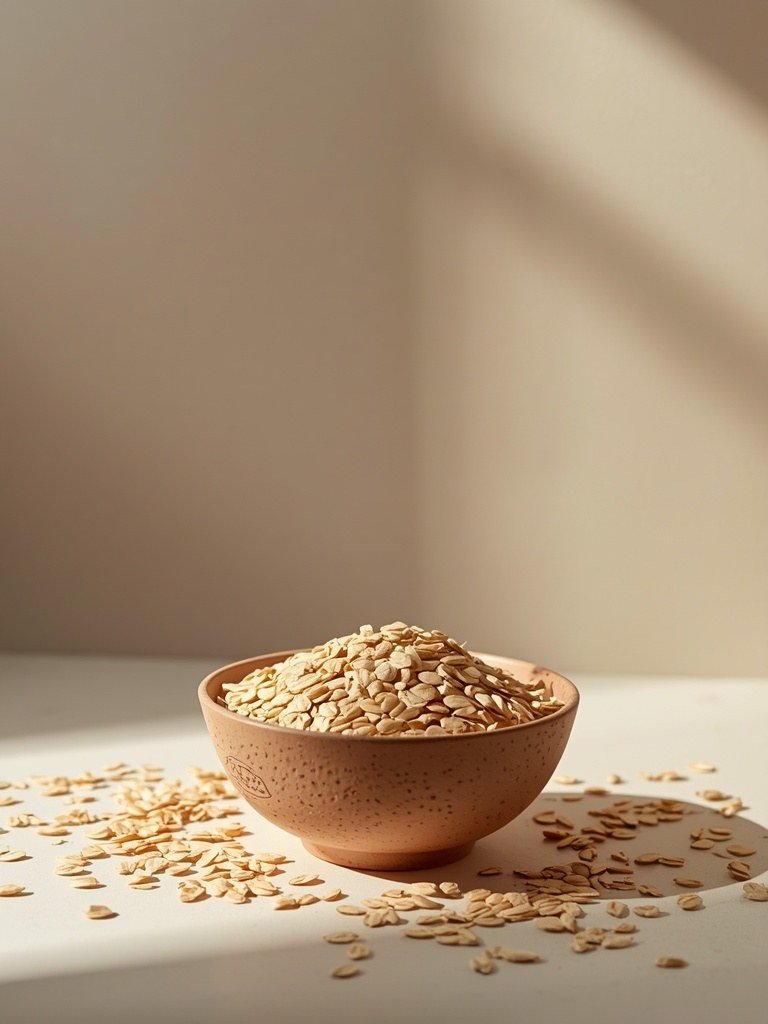
Oatmeal flakes – a complete source of nutrients, beta-glucan, and minerals

Oatmeal flakes – a complete source of nutrients, beta-glucan, and minerals

Whole grain oat flakes rank among the most rigorously validated functional foods in nutritional medicine. As early as 1997, the US Food and Drug Administration (FDA) authorized the landmark health claim confirming that soluble dietary fiber from whole oats significantly mitigates the risk of coronary heart disease. Beyond beta-glucans, oats harbor unique bioactive polyphenols termed avenanthramides that exert potent anti-inflammatory and vasodilatory actions.

Strategic break from physical activity – the body's recovery process

Strategic break from physical activity – the body's recovery process

Consistent physical exertion coupled with a rigorous dietary regimen imposes substantial physiological stress on the human body, necessitating the periodic incorporation of structured recovery phases. During a deliberately scheduled regenerative interval, both the psychological domain and the nervous system—alongside the musculoskeletal framework, encompassing joint structures and muscle tissue—are afforded the opportunity for comprehensive restoration. The consequence of such an intervention extends beyond the mere alleviation of fatigue; it also yields a marked enhancement in bodily performance during subsequent training sessions. Furthermore, resuming activity following this type of hiatus is associated with a perceptible surge in vitality and superior outcome metrics. The critical question, then, is how to optimally integrate this pivotal component of a training regimen to fully capitalize on the benefits of recovery?

The relationship between obesity and depression: mechanisms of co-occurrence and mutual exacerbation

The relationship between obesity and depression: mechanisms of co-occurrence and mutual exacerbation

The relentless pace of modern existence, chronic stress exposure, insufficient recovery periods, and the consumption of ultra-processed foods laden with artificial additives constitute major threats to population health. Clinical dietitians and nutritional psychologists have long emphasized the intricate interplay between dietary patterns and emotional regulation. As early as the turn of the 21st century, public health observers noted a troubling convergence of two debilitating conditions—obesity and major depressive disorder—that substantially diminish patients' quality of life. Extensive epidemiological evidence points to a bidirectional relationship: while excessive adiposity may predispose individuals to depressive symptomatology, mood disorders conversely facilitate uncontrolled weight gain through alterations in eating behaviors. Both conditions trigger cascading somatic and psychological complications, with their prevalence rates steadily climbing across demographic groups. In response to perceived social isolation and mounting stress, many individuals seek temporary relief through high-calorie comfort foods—particularly sugary snacks consumed during sedentary activities like television viewing. However, the absence of sustained dietary modifications ultimately cultivates escalating feelings of helplessness that evolve into profound despair and existential hopelessness. The subsequent erosion of self-esteem and impaired decision-making capacity represent core diagnostic features of clinical depression, perpetuating a vicious cycle of deteriorating mental and physical well-being.

Returning to shape after pregnancy – effective strategies for reducing excess abdominal tissue in the postpartum period

Returning to shape after pregnancy – effective strategies for reducing excess abdominal tissue in the postpartum period

Restoring physical vitality and core strength postpartum requires patience, biological awareness of puerperium physiology, and respect for tissue remodeling timelines. Persistent abdominal protrusion following childbirth is rarely just excess subcutaneous fat; it frequently involves laxity of the abdominal fascia, pelvic floor dysfunction, and diastasis recti abdominis. Clinical recovery demands integrating nourishing nutrition with specialized urogynecological physical therapy.

Nutridrink – nutritional support for diabetics, children, and people with lactose intolerance: specialized lactose-free preparations with varied clinical applications

Nutridrink – nutritional support for diabetics, children, and people with lactose intolerance: specialized lactose-free preparations with varied clinical applications

The Nutridrink product line constitutes an innovative class of high-value medical nutrition formulations that have gained substantial recognition in both hospital and outpatient care environments in recent years. Their expanding adoption stems from their indispensable role in supporting patients whose capacity to consume conventional meals is compromised—whether due to prolonged immobilization or medical conditions that induce metabolic disturbances or gastrointestinal impairments, such as persistent anorexia or food intolerances. Notably, clinical experts emphasize that these formulations play a pivotal role in the nutritional therapy of individuals requiring tailored dietary regimens, thereby facilitating the optimization of bodily recovery processes through methodical, evidence-based replenishment of macro- and micronutrient deficiencies in a controlled manner. These specialized oral nutritional supplements provide a concentrated source of essential nutrients in an easily consumable format, making them a cornerstone in the management of malnutrition and support for recovery.

Innovative dermatological solutions: Discoveries from laboratory research

Innovative dermatological solutions: Discoveries from laboratory research

In modern dermatology and cosmetology, research laboratories are the cradle of groundbreaking discoveries. Specialists conduct highly specialized studies to develop innovative skincare concepts. These concepts aim not only to maintain the skin's optimal condition but also to promote regeneration after various types of skin damage. From the cellular level to natural extracts, science continuously provides new approaches for effective and evidence-based skincare.In this comprehensive article, we will delineate the most up-to-date scientific findings alongside actionable recommendations. These insights will empower you to implement effective and scientifically validated practices for maintaining your skin's health and appearance in daily life. Discover how research findings directly translate into innovative products and care strategies that optimally support your skin.

Optimizing Glycemia Through Low Glycemic Index Foods in the Diet of Endurance Athletes

Optimizing Glycemia Through Low Glycemic Index Foods in the Diet of Endurance Athletes

The nutritional framework for athletes engaged in endurance disciplines incorporates a range of foundational components whose comprehension facilitates effective metabolic regulation. Among these, the glycemic index (GI) of consumed foods emerges as a pivotal factor, playing a critical role in blood glucose modulation, the optimization of the body’s energy resource utilization, and the enhancement of athletic performance outcomes. Its judicious application enables precise tailoring of dietary intake to individual physiological demands, thereby fostering improvements in endurance capacity and post-exertion recovery efficiency. Understanding and strategically utilizing the GI can stabilize energy levels, delay fatigue, and accelerate recovery, which is paramount for athletes in sports such as running, triathlon, and cycling.

Bowel obstruction and impaired bowel motility: differential diagnosis, red flags, and dietary management

Bowel obstruction and impaired bowel motility: differential diagnosis, red flags, and dietary management

Intestinal obstruction (ileus) represents a critical medical emergency characterized by the complete arrest of aboral luminal transit driven by either mechanical occlusion or neuromuscular paralytic adynamia. Clinical acumen relies upon rapid recognition of acute strangulation demanding emergent laparotomy versus subacute, partial mechanical compromise (subileus). This monograph reviews mechanical vs functional etiologies, acute surgical red flags, and structured low-residue or enteral medical nutritional interventions.

Functional gastrointestinal disorders with a neurotic background – recognition and treatment methods

Functional gastrointestinal disorders with a neurotic background – recognition and treatment methods

Chronic neuropsychological stress and autonomic dysregulation exert direct control over enteric motility, barrier permeability, and visceral hyperalgesia. Colloquially termed 'gastric neurosis', these pathologies are clinically categorized under Rome IV Criteria as Disorders of Gut-Brain Interaction (DGBI), encompassing irritable bowel syndrome (IBS) and functional dyspepsia. This clinical guide covers neurogastroenterology, phytotherapy, and the low-FODMAP protocol.

Ways to strengthen the body's natural immunity based on scientific recommendations

Ways to strengthen the body's natural immunity based on scientific recommendations

Optimal immune defense requires the synchronized coordination of innate and adaptive immunological branches. This evidence-based review examines the foundational pillars of host resilience: the gut-associated lymphoid tissue (GALT), targeted immunonutrients (Vitamin D3, zinc, Vitamin C), and the neuro-immune impact of circadian sleep architecture and physical exertion.

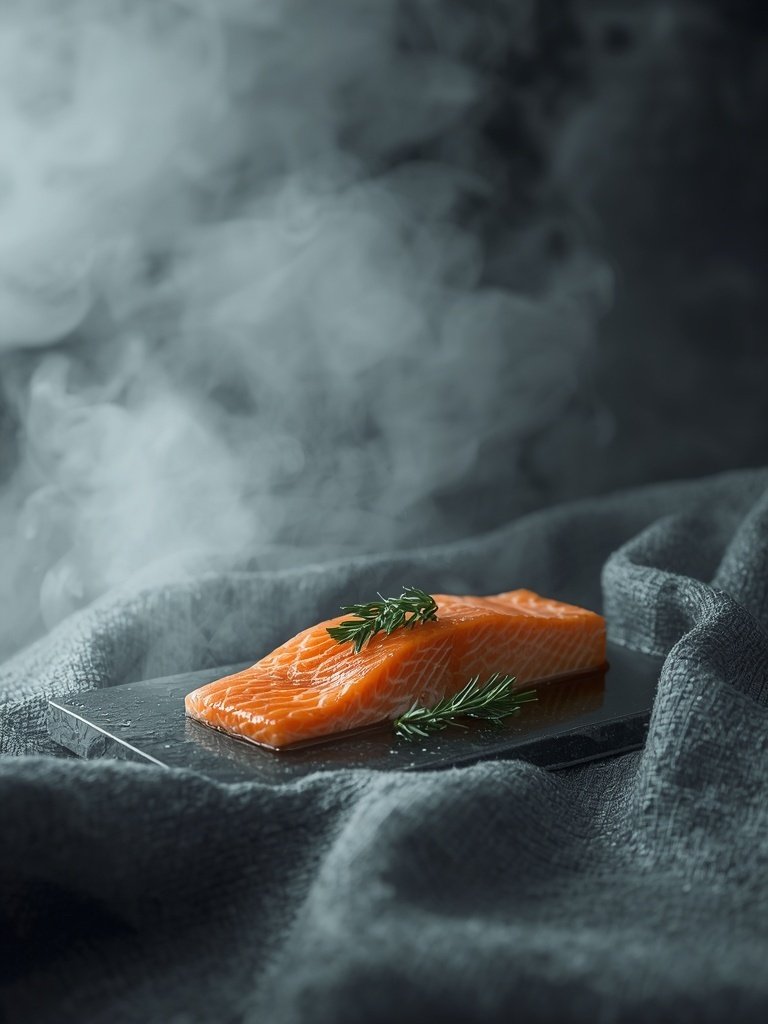
Is this authentic Norwegian salmon, or Atlantic? A compendium of knowledge on preparing this noble fish in the home kitchen

Is this authentic Norwegian salmon, or Atlantic? A compendium of knowledge on preparing this noble fish in the home kitchen

Regrettably, the trajectory of wild salmon populations in Poland presents an alarmingly bleak picture. Pervasive anthropogenic pressures—including river channelization, dam construction, and escalating contamination of freshwater ecosystems—culminated in the complete eradication of the last remaining natural stocks of this ecologically vital species during the 1980s.[1] Only through the sustained implementation of reintroduction initiatives and habitat conservation measures has a modest, albeit incomplete, recovery of populations been achieved in recent decades.

Optimal Rehabilitation and Recovery Strategies After a Myocardial Infarction: A Comprehensive Evidence-Based Guide

Optimal Rehabilitation and Recovery Strategies After a Myocardial Infarction: A Comprehensive Evidence-Based Guide

This document provides a thorough examination of the critical interventions, medical procedures, and lifestyle modifications that—consistent with current cardiological guidelines—contribute to significant improvements in health status, reduction of complication risks, and enhanced quality of life for patients following an acute coronary syndrome event. The content covers:Adherence to prescribed evidence-based pharmacotherapy,Enrollment in structured cardiac rehabilitation programs,Weight management and cardioprotective Mediterranean nutrition,Complete and permanent smoking cessation,Mental health care and chronic stress mitigation,Social and familial support networks,Long-term adherence to secondary prevention protocols.

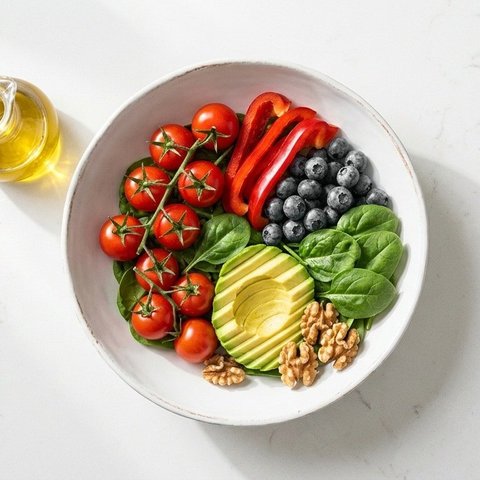
A Comprehensive Nutritional Guide for New Mothers: Postpartum Recovery, Lactation, and Sustainable Return to Fitness

A Comprehensive Nutritional Guide for New Mothers: Postpartum Recovery, Lactation, and Sustainable Return to Fitness

The postpartum puerperium represents an interval of intensive organ involution, tissue healing, and hormonal recalibration. Nutritional and metabolic demands during exclusive lactation exceed even third-trimester gestational requirements. A scientifically structured maternal diet ensures optimal tissue recovery, postpartum vitality, and superior infant development.

Gastric mucosal erosive gastritis – etiology, endoscopic diagnosis, and principles of mucosal healing diet

Gastric mucosal erosive gastritis – etiology, endoscopic diagnosis, and principles of mucosal healing diet

Erosive gastritis denotes mucosal disruption defined by superficial epithelial defects that do not penetrate the muscularis mucosae. Prompt endoscopic identification and aggressive implementation of a non-irritating, mucosal-coating dietary regimen prevents transition into deep peptic ulcers and gastrointestinal hemorrhage.

Hidden sugar in the daily diet: traps in dairy, processed cereals, juices, and 'fit' products

Hidden sugar in the daily diet: traps in dairy, processed cereals, juices, and 'fit' products

The vast majority of excessive sucrose and fructose consumption in contemporary diets does not originate from table sugar, but from ultra-processed formulations marketed as 'fit', 'wholesome', or 'natural'. Recognizing more than 50 nomenclature pseudonyms for hidden sugars and rigorously interpreting nutritional labels shields against hepatic steatosis, insulin resistance, and visceral adiposity.

HST Training System – Advanced Muscle Mass Building Strategies Based on Adaptive Physiological Mechanisms

HST Training System – Advanced Muscle Mass Building Strategies Based on Adaptive Physiological Mechanisms

Following twelve months of consistent resistance training, many strength athletes observe that their previously effective methodologies cease to yield measurable progress. This phenomenon, commonly referred to as a training plateau, arises from the body's adaptive capabilities, which diminish responsiveness to repetitive stimuli over time. To overcome this stagnation phase, a comprehensive revision of training strategies becomes imperative—one that introduces novel, previously unencountered stimuli while simultaneously ensuring optimal recovery periods. Grounded in contemporary exercise physiology research, an innovative training protocol has been developed with the primary objective of maximizing muscular hypertrophy in advanced practitioners. This discussion will examine the HST (Hypertrophy-Specific Training) methodology in depth, exploring both its scientific underpinnings and practical implementation within the framework of long-term physique development.

Silicon organic – characteristics, natural sources, and effect on hair and skin condition

Silicon organic – characteristics, natural sources, and effect on hair and skin condition

Bioavailable organic silicon, primarily utilized in the form of monomeric orthosilicic acid (OSA), plays a decisive role in the cross-linking of collagen, elastin, and glycosaminoglycans. As a structural cornerstone of connective tissue, silicon directly supports vascular elasticity, bone mineralization, hair follicle vitality, and dermal thickness. A comprehensive examination of silicon biochemistry, metabolic bioavailability, and rich whole-food sources.

The impact of healthy sleep on metabolism, hormonal balance, and regeneration

The impact of healthy sleep on metabolism, hormonal balance, and regeneration

Sleep is not a passive period of dormancy, but an active, indispensable neurobiological state orchestrating tissue regeneration, cellular detoxification, and endocrine regulation. Chronic sleep restriction severely dysregulates glucose metabolism, derails appetite hormones, and accelerates systemic inflammation. This comprehensive guide explores sleep architecture, metabolic consequences, and clinical pillars of sleep hygiene.

Gout and uric acid stones: diagnosis, therapy, the influence of alcohol, and low-purine diet principles

Gout and uric acid stones: diagnosis, therapy, the influence of alcohol, and low-purine diet principles

Gout (gouty arthritis) and uric acid urolithiasis stem from persistent hyperuricemia exceeding the physiologic solubility threshold of serum urate. The subsequent precipitation of monosodium urate crystals within synovial joints causes excruciating acute attacks (podagra), while renal tubular deposition fosters stone formation. This comprehensive clinical guide covers etiologies, laboratory diagnostics, medical management, and low-purine dietary protocols.

What food products support recovery after gastroenteritis?

What food products support recovery after gastroenteritis?

Gastroenteritis, rotavirus infection, gastrointestinal infection... The viral illness of the digestive system, known by various names, is an experience familiar to all of us. While it is short-lived, lasting no more than 3-5 days, it can severely weaken the body, leading to apathy, fatigue, dehydration, and loss of appetite. Can a well-chosen diet alleviate symptoms? Which foods are recommended at different stages of the illness? How can one effectively manage its aftermath?

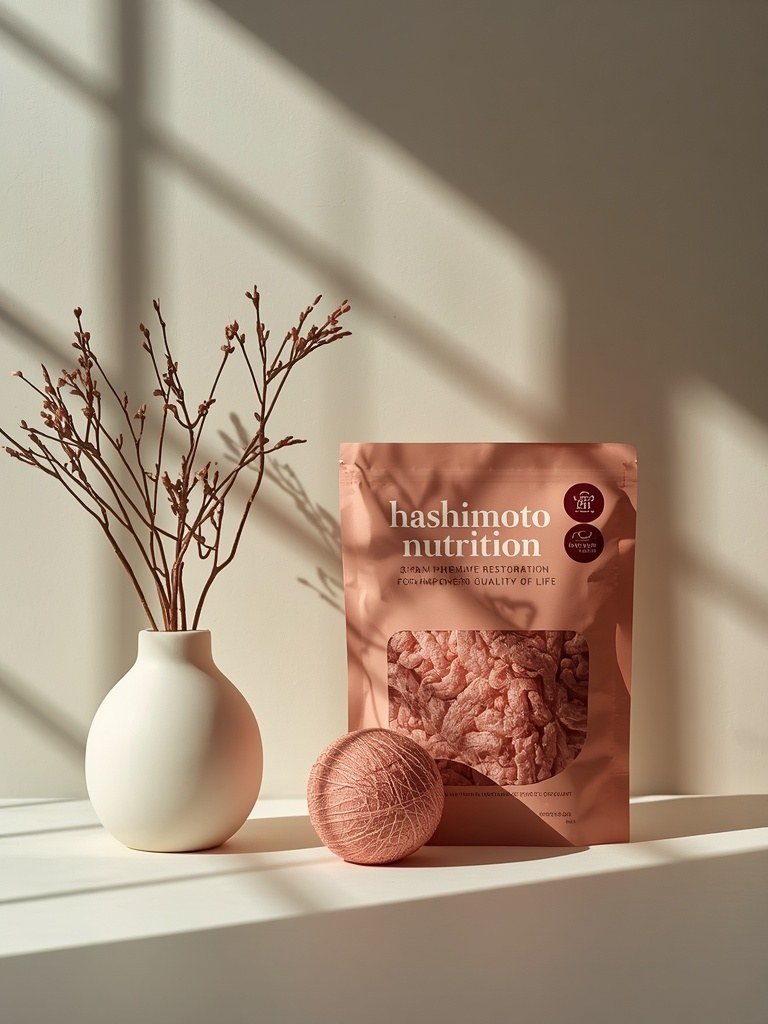
Diet in Hashimoto's Disease – Rebuilding the Gut Microbiome for Improved Quality of Life

Diet in Hashimoto's Disease – Rebuilding the Gut Microbiome for Improved Quality of Life

A well-designed diet is an essential component of recovery after a serious illness. Avoiding products with potentially irritating components and replacing them with regeneration-promoting substances is a key, yet often overlooked aspect of treatment. In Hashimoto's disease, special attention should be given to restoring gut microbiome balance, as 80% of the body's immune cells are located in the digestive tract.

What foods support bone healing – what to eat and what to avoid?

What foods support bone healing – what to eat and what to avoid?

A bone fracture, in addition to causing pain, often results in reduced physical capability during daily activities. Recovery can be significantly enhanced through a well-balanced, nutrient-dense diet. During rehabilitation, it is crucial to eat consciously while accounting for the body's heightened demand for calcium, vitamin D, protein, and essential micronutrients.

What are the best nutrition methods after childbirth?

What are the best nutrition methods after childbirth?

Throughout pregnancy and childbirth, a woman's body undergoes significant physiological changes that heighten the demand for nutrients and energy. Proper nutrition during this period not only supports recovery but also safeguards the mother's health. Given the physical and hormonal demands of delivery, maintaining a nutrient-rich diet post-birth is crucial for restoring vitality and facilitating tissue repair.

Share