





Women's Health • CLINICAL PROTOCOL

Nutrition During Pregnancy

Personalized, evidence-based nutrition guidelines (EBM) dedicated to Nutrition During Pregnancy. Balanced macronutrients, micronutrition, and elimination of pro-inflammatory factors.

Nutrition During Pregnancy
HOW TO START

It's Easy to Start Today!

Eat Healthy

Precisely selected nutrients supporting metabolic balance and tissue regeneration.

Workout Hard

Physical activity safely tailored to your clinical conditions and baseline endurance.

Enjoy Your Life

Psychoemotional balance, restful sleep, and stress reduction as indispensable pillars of recovery.

SERVICES & PROTOCOLS
Personal Health Program

Personal Health Program

Dedicated medical nutrition therapy and dietary protocols for Nutrition During Pregnancy.

Personal Fitness Trainer

Personal Fitness Trainer

Tailored workout plan and physical exercise supporting therapy.

Wellness Counseling

Wellness Counseling

Specialist support and continuous monitoring of health progress.

Diet Programs

Diet Programs

Precise calculation of BMR, TDEE, and micronutrient balance.

Refreshing Citrus Background
FREE RECOMMENDATIONS

Change Your Health in One Day!

Special Program for Sensitive Nutrition
POPULAR PROGRAMS & CLINICAL PROTOCOLS

Special Program for Sensitive Nutrition

Individually formulated nutrition protocols for individuals managing specific metabolic and allergic requirements in Nutrition During Pregnancy.

Allergen exclusion, gut microbiota support, and optimization of carbohydrate-lipid metabolism.

8
Programs
161
Happy Customers
7
Awards
117
Success Stories

Other Groups in Category: Women's Health

Articles and Guides in — Nutrition During Pregnancy

Publications, recommendations, and clinical analysis in Nutrition During Pregnancy

8 publications
The use of castor oil during pregnancy and as a method to aid labor: an analysis of safety and efficacy based on traditional and modern experiences

The use of castor oil during pregnancy and as a method to aid labor: an analysis of safety and efficacy based on traditional and modern experiences

When circumstances necessitate the acceleration of the birthing process, many expectant mothers seek out natural, non-invasive alternatives capable of stimulating the body’s physiological responses without medical intervention. Among the considered options is castor oil—a substance with a millennia-spanning history of use, originating in ancient civilizations such as Egypt, where it was employed for both therapeutic and cosmetic purposes. Despite advancements in modern medicine, this oil continues to garner attention among pregnant women, who actively share their personalized accounts of its effects on dedicated online platforms focused on motherhood, breastfeeding, and neonatal care.

Returning to shape after pregnancy – effective strategies for reducing excess abdominal tissue in the postpartum period

Returning to shape after pregnancy – effective strategies for reducing excess abdominal tissue in the postpartum period

Restoring physical vitality and core strength postpartum requires patience, biological awareness of puerperium physiology, and respect for tissue remodeling timelines. Persistent abdominal protrusion following childbirth is rarely just excess subcutaneous fat; it frequently involves laxity of the abdominal fascia, pelvic floor dysfunction, and diastasis recti abdominis. Clinical recovery demands integrating nourishing nutrition with specialized urogynecological physical therapy.

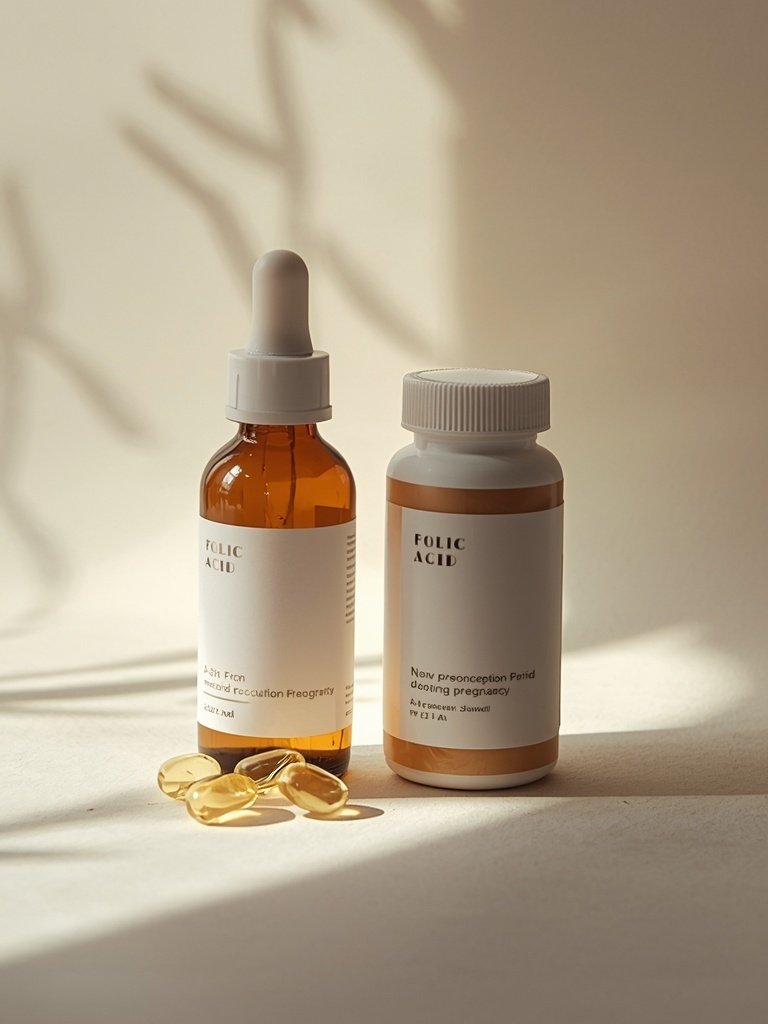
The Role of Folic Acid in the Preconception and Pregnancy Period: Optimal Dosing, Timing, and Impact on the Placenta

The Role of Folic Acid in the Preconception and Pregnancy Period: Optimal Dosing, Timing, and Impact on the Placenta

Targeted periconceptional folate supplementation represents one of the most impactful triumphs of modern preventive obstetrics. Beyond the prevention of fatal neural tube defects, adequate maternal folate status directly protects against placental vasculopathies, preeclampsia, intrauterine growth restriction (IUGR), and preterm birth. This clinical guide details the crucial periconceptional timeline, risk-stratified dosing protocols, and molecular placental biology.

Strawberries in the context of diabetes, pregnancy, weight loss, and strawberry allergy

Strawberries in the context of diabetes, pregnancy, weight loss, and strawberry allergy

A high intake of fruits and vegetables is always associated with good health. In addition to the high vitamin C content in parsley, blackcurrant, and cabbage, strawberries are one of the most vitamin-rich regional products. They are a very young plant that did not evolve naturally, but rather through the genetic process of crossing two types of raspberries. The high vitamin C content and low calorie index make it easy to classify strawberries as a healthy food product. However, it is important to remember that excessive consumption can lead to undesirable side effects.

Eating strawberries while breastfeeding

Eating strawberries while breastfeeding

Is it possible to consume strawberries during the period of breast-feeding? This is quite a controversial topic. Until recently, it was recommended to avoid these fruits during lactation. However, nowadays they are recommended for breastfeeding mothers. However, one should exercise caution and systematically monitor the child's condition. Strawberries, although they contain valuable nutrients, are also strong allergens and can cause allergies in small children. So, what should be taken into account when consuming strawberries during the period of breast-feeding?

Anemia in pregnancy – symptoms, risks, and recommended diet

Anemia in pregnancy – symptoms, risks, and recommended diet

Anemia, also known as anemia, is a medical condition in which the oxygenation of the tissues of the human body is disrupted by a decrease in total red blood cell mass and hemoglobin concentration. There are many causes of anemia and pregnancy itself can significantly increase the risk of anaemia, which is why there is so much talk about the importance of diet during this period. An increased demand for nutrients without providing a properly balanced diet can lead to deficiencies that can result in many health complications, including anemia. Find out how to effectively prevent anemia during pregnancy.

Hormonal contraceptive treatment – unexpected side effects... Does this really weaken the effect of contraceptive pills?

Hormonal contraceptive treatment – unexpected side effects... Does this really weaken the effect of contraceptive pills?

In 1956, Pincus presented scientific evidence regarding the contraceptive effects of progesterone, which served as the basis for the registration of the first oral form of contraception and for further studies on how hormones precisely influence the prevention of pregnancy. In the present times, gynecologists prescribe birth control pills to women not only for the prevention of pregnancy but also for the regulation of hormonal imbalances, female hormone deficiencies, and women whose menstruation has stopped due to a restrictive diet. Is this method genuinely safe?

The importance of a healthy diet in the pre-conception period

The importance of a healthy diet in the pre-conception period

Preparing for pregnancy nutrition is one of the key aspects that every expectant mother should familiarize herself with. The period of pregnancy not only signifies a time of intense fetal development, but it is also a phase where a healthy diet plays a significant role in the health and well-being of the mother-to-be. Implementing suitable changes in diet prior to conception can have a considerable impact on the course of pregnancy and promote a healthy child development.

Share