




WELCOME & NUTRITION SUPPORT

Meal Plans and Diets

It's a familiar story: You pledge to honor a daily elliptical routine and count every last calorie. But soon, you're eating cupcakes at the office and grabbing happy hour drinks, thinking, 'Oops, diet over.'

I've helped people exactly like you – smart, ambitious, put together – figure out the one thing that eludes them: Their ideal weight and long-term metabolic health. If you're like lots of people I help, you don't like restrictive rules, feel tired often, have tried working out and cutting calories, but need a truly sustainable clinical approach.

Fresh organic green produce in heart shape
HOW TO START

It's Easy to Start Today!

Eat Healthy

Eating habits should be regulated and controlled – only natural organic food will make our body healthy and strong.

Workout Hard

Diet is not the only ingredient of a long happy life. Physical exercise is also important for your health and vitality.

Enjoy Your Life

See how your life becomes a pleasant adventure, full of bright colors and fun activities with sustainable energy.

SERVICES
Personal Health Program

Personal Health Program

It does not matter if you want to lose weight, build lean muscle, or simply improve overall longevity and vitality.

Personal Fitness Trainer

Personal Fitness Trainer

A professional personal training and activity program created specifically with you and your individual goals.

Wellness Counseling

Wellness Counseling

We will be focused and working with you privately every step of the way to achieve permanent habit changes.

Diet Programs

Diet Programs

Healthy eating is one of the best things you can do to prevent and manage chronic health and metabolic problems.

Refreshing Citrus Background
FREE RECOMMENDATIONS

Change Your Health in One Day!

Special Program for Pregnant Women
POPULAR PROGRAMS & CLINICAL PROTOCOLS

Special Program for Pregnant Women

Pregnancy, infancy and early childhood are periods of rapid physiological growth and development. Insufficient nutrition during these critical growth and developmental periods places health and vitality at risk.

As a result, our clinical protocols educate and support pregnant and postpartum women about the importance of balanced micronutrition, gentle exercise, and allergen safety to ensure vibrant health for both mother and child.

8
Programs
161
Happy Customers
7
Awards
117
Success Stories

Subcategories & Topics:

12 areas

Dedicated Articles and Guides

Scientific papers, diet templates, and recommendations in Meal Plans and Diets

30 publications
Stress-Free Label Reading: Hidden Gluten, the 20 ppm Rule and Naturally Safe Foods

Stress-Free Label Reading: Hidden Gluten, the 20 ppm Rule and Naturally Safe Foods

Your first grocery trips on a gluten-free diet can feel like decoding a chemistry textbook: Is maltodextrin safe? What about barley malt extract? Fortunately, European food law requires manufacturers to highlight gluten-containing cereals clearly on every ingredient list.Here we simplify EU labeling rules (the 20 ppm standard), certified oats, surprising hidden gluten traps, and naturally safe staples you can buy anywhere.

Preventing Gluten Cross-Contact at Home, Dining Out and Packing Safe Lunchboxes

Preventing Gluten Cross-Contact at Home, Dining Out and Packing Safe Lunchboxes

In celiac disease, even stray breadcrumbs — as little as 50 mg of gluten daily — can irritate the small-intestinal lining even when outward symptoms stay mild. Yet you do not need to remodel your kitchen or give up social meals.A handful of simple shared-kitchen routines, clear restaurant questions, and smart lunchbox strategies make safe gluten-free living effortless anywhere.

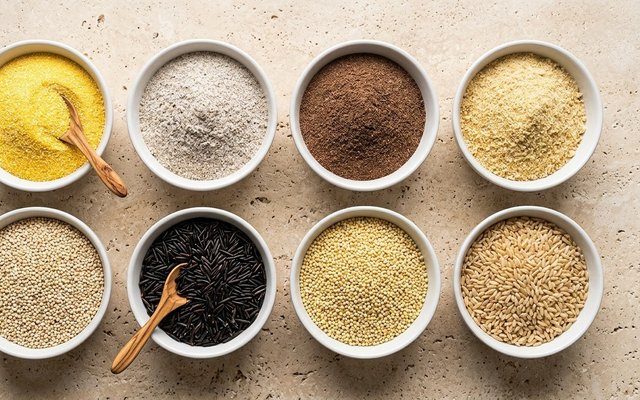
Complete Guide to Naturally Gluten-Free Grains, Flours and Baking Binders

Complete Guide to Naturally Gluten-Free Grains, Flours and Baking Binders

Without wheat gluten, batters lose the stretchy protein network that traps air and moisture. Relying on a single flour like white rice flour often produces crumbly loaves — yet blending whole-grain flours, starches, and natural plant binders creates remarkably tender bread and pastry.Use this reference guide to choose gluten-free grains, pair base flours with starches, and harness psyllium husk, ground flaxseed, or xanthan gum with confidence.

Celiac Disease, Wheat Allergy and Gluten Sensitivity: Step-by-Step Clinical Diagnosis

Celiac Disease, Wheat Allergy and Gluten Sensitivity: Step-by-Step Clinical Diagnosis

When bloating or fatigue follows bread and pasta, cutting out gluten immediately feels tempting. Clinically, however, going gluten-free before medical testing is the number-one pitfall that causes false-negative antibody results and delays accurate care.Drawing on ESsCD (2019), ESPGHAN (2020), and NICE NG20 guidelines, this guide clarifies the differences between celiac disease, wheat allergy, and non-celiac gluten sensitivity.

Balancing a Gluten-Free Diet: Preventing Deficiencies, Secondary Lactose Intolerance and Diabetes

Balancing a Gluten-Free Diet: Preventing Deficiencies, Secondary Lactose Intolerance and Diabetes

Removing gluten halts intestinal inflammation, yet a "gluten-free" badge does not automatically guarantee nutritional quality. Commercial gluten-free breads often rely on refined starches that are low in iron, folate, and fiber while raising blood glucose quickly.Below we cover the primary nutrient gaps seen after diagnosis, temporary lactose intolerance while villi heal, childhood nutrition, and managing concurrent type 1 diabetes.

Hiatal hernia – symptoms, diagnosis, and diet for esophageal tumor hernia

Hiatal hernia – symptoms, diagnosis, and diet for esophageal tumor hernia

A hiatal hernia, colloquially referred to as gastric displacement into the chest cavity, occurs when the proximal portion of the stomach protrudes through the diaphragmatic esophageal hiatus into the mediastinum. The diaphragm serves as the primary respiratory barrier separating the abdominal and thoracic compartments, featuring a small hiatus through which the esophagus normally reaches the gastric cardia. When this muscular opening widens and supporting phrenoesophageal ligaments weaken, the lower esophageal sphincter is compromised, leading to severe gastroesophageal reflux and requiring structured nutritional and medical management.

Vegan culinary art: recipes full of flavor, health, and variety

Vegan culinary art: recipes full of flavor, health, and variety

Plant-based cuisine has evolved far beyond a niche dietary trend into an inspiring cornerstone of modern gastronomy, uniting health preservation, environmental consciousness, and extraordinary flavor diversity. A well-planned vegan diet reliably supplies all essential nutrients, provided meals are mindfully structured and paired with appropriate supplementation of vitamin B12 and vitamin D. Dispelling the myth of culinary monotony, cooking without meat, dairy, or eggs unlocks limitless creativity through legumes, whole grains, vibrant produce, nuts, seeds, and aromatic spices.

The Role of Probiotics in Digestive Health: Scientifically Documented Support in Treating Constipation, Diarrhea, Boosting Immunity, and Regulating Body Weight

The Role of Probiotics in Digestive Health: Scientifically Documented Support in Treating Constipation, Diarrhea, Boosting Immunity, and Regulating Body Weight

Against the backdrop of rising antibiotic resistance and the growing prevalence of viral and bacterial infections, probiotics have emerged as a cornerstone of both preventive and therapeutic strategies in modern medicine. Clinically validated strains such as Lactobacillus rhamnosus GG, Bifidobacterium longum, and Streptococcus thermophilus demonstrate significant efficacy in maintaining gut microbiota balance and enhancing overall digestive health. To harness their full therapeutic potential, however, a nuanced understanding of their mechanisms of action, selection criteria for appropriate formulations, and optimal dosing regimens is indispensable. This evidence-based overview explores the latest scientific insights into probiotics’ role in digestive health, highlighting their targeted applications for constipation relief, diarrhea management, immune enhancement, and metabolic regulation.

The Role of Probiotic Supplements in Weight Management, Digestive Disorders, and Immune System Enhancement – Benefits and Potential Side Effects of Bacterial Cultures

The Role of Probiotic Supplements in Weight Management, Digestive Disorders, and Immune System Enhancement – Benefits and Potential Side Effects of Bacterial Cultures

For millennia, cultures worldwide have harnessed the health benefits of fermented foods containing live lactic acid bacteria. It was not until the pioneering research of Russian Nobel laureate Élie Metchnikoff in the early 20th century that the scientific community established a formal link between the consumption of fermented dairy products—particularly those containing the Lactobacillus acidophilus strain—and the remarkable longevity and robust health observed among rural Bulgarian populations. Contemporary research confirms that gut dysbiosis, an imbalance in microbial composition, can contribute to gastrointestinal disturbances such as chronic constipation or recurrent diarrhea, but also exerts broader systemic effects, including compromised immune function and metabolic dysregulation. This principle was presciently articulated in ancient Ayurvedic texts, emphasizing the pivotal role of a balanced intestinal microbiota in sustaining physiological equilibrium, supporting systemic immunity, mucosal digestion, and optimal energy balance.

How Probiotics Support Weight Loss: A Guide to Choosing the Most Effective Bacterial Strains

How Probiotics Support Weight Loss: A Guide to Choosing the Most Effective Bacterial Strains

The health of our digestive system is intricately linked to the balance of microorganisms residing in our intestines. Research indicates that dysbiosis—a disruption in gut microbiota composition—can lead to more than just digestive issues; it may also impair metabolism and contribute to weight gain tendencies. This guide explores how you can strategically enhance the bacterial composition of your gastrointestinal tract to support a healthier body weight and overall metabolic function.

Protein supplements: classification, physiological functions, and supplementation strategies for physically active individuals

Protein supplements: classification, physiological functions, and supplementation strategies for physically active individuals

The protein supplement industry continues to evolve, introducing formulations with enhanced amino acid profiles, improved bioavailability, and tailored nutrient compositions to meet the diverse needs of athletes and fitness enthusiasts. Manufacturers leverage advanced processing techniques—such as precise protein fractionation, elimination of artificial additives, and optimization of digestion rates—to create products that are not only palatable but also physiologically effective. For athletes aiming to maximize muscle hypertrophy, accelerate recovery, or achieve body recomposition, these supplements serve as critical tools. However, navigating the vast array of options requires a nuanced understanding of protein sources, their physiological roles, and evidence-based supplementation strategies to ensure alignment with individual goals, training regimens, and dietary plans.

Authentic dairy cheeses and their plant-based imitations – key differences and ways to recognize them

Authentic dairy cheeses and their plant-based imitations – key differences and ways to recognize them

Plant-based cheese alternatives, primarily composed of vegetable oils such as palm, rapeseed, or coconut fat, do not meet the legal definition of cheese. Under European Union regulations, the term 'cheese' is strictly reserved for dairy products derived exclusively from animal milk (bovine, ovine, or caprine). Misleadingly labeling plant-based substitutes with terms implying authentic dairy origin violates food labeling standards and consumer protection laws.

Key indicators necessary to create a personalized, nutritionally balanced diet plan

Key indicators necessary to create a personalized, nutritionally balanced diet plan

A meticulously tailored nutrition plan is the cornerstone of sustainable health and peak physical performance. However, no one-size-fits-all approach exists—each individual requires a unique adjustment based on biological markers and lifestyle factors. Designing a balanced dietary regimen demands precise calculations of basal metabolic rate (BMR), total daily energy expenditure (TDEE), physical activity levels, body composition, and metabolic health. This clinical guide outlines the critical metrics essential for crafting a personalized, evidence-based nutrition strategy that is both scientifically sound and practically implementable.

Kale – health benefits, nutritional values, and culinary inspirations: chips, smoothies, and soups

Kale – health benefits, nutritional values, and culinary inspirations: chips, smoothies, and soups

Kale stands as one of the most ancient and nutrient-dense leafy greens globally, celebrated as a true nutritional powerhouse. Packed with protective antioxidants such as sulforaphane, lutein, and zeaxanthin, it delivers critical vitamins (C, K, A), highly bioavailable calcium, and essential minerals like iron and potassium. This guide explores its multifaceted health benefits and offers creative, easy-to-prepare recipes—from crispy baked kale chips to revitalizing green smoothies and velvety soups—perfect for a balanced, nutrient-rich diet.

Raspberry tomato – characteristics, nutritional values, vitamin content, and recipe for a summer salad

Raspberry tomato – characteristics, nutritional values, vitamin content, and recipe for a summer salad

The raspberry beefsteak tomato (known in Central Europe as 'pomidor malinowy') is a prized heirloom cultivar celebrated for its delicate pinkish skin, minimal seed cavities, and exceptionally sweet, dense flesh. Beyond its distinguished culinary profile, this variety provides rich concentrations of lycopene, ascorbic acid, and potassium. What micronutrient virtues characterize the raspberry tomato, and how can it be transformed into an exquisite, refreshing summer salad?

Oatmeal and weight loss: which version best supports slimming – with water or milk?

Oatmeal and weight loss: which version best supports slimming – with water or milk?

Oatmeal represents one of the most clinically supported and satiating breakfast foundations in modern dietary intervention. Its structural matrix of slow-release complex carbohydrates and viscous beta-glucans guarantees sustained gastric satiety while precluding compensatory hunger episodes. Deciding whether water-based or milk-based preparation offers superior weight-loss efficacy depends upon daily energy targets and individual macronutrient distribution.

Yeast Flakes – Nutritional Properties, Uses, and Health Benefits in the Modern Diet

Yeast Flakes – Nutritional Properties, Uses, and Health Benefits in the Modern Diet

Inactive nutritional yeast flakes (derived from specially nurtured strains of Saccharomyces cerevisiae) represent a functional superfood celebrated across contemporary plant-based gastronomy. Undergoing delicate thermal deactivation, they possess zero leavening or fermentative capability while delivering a complete spectrum of essential amino acids, concentrated B-complex vitamins, trace minerals, and naturally occurring glutamic acid that provides a deeply savory, cheesy umami depth.

Millet flakes – glycemic index, caloric content, and preparation methods for a healthy diet

Millet flakes – glycemic index, caloric content, and preparation methods for a healthy diet

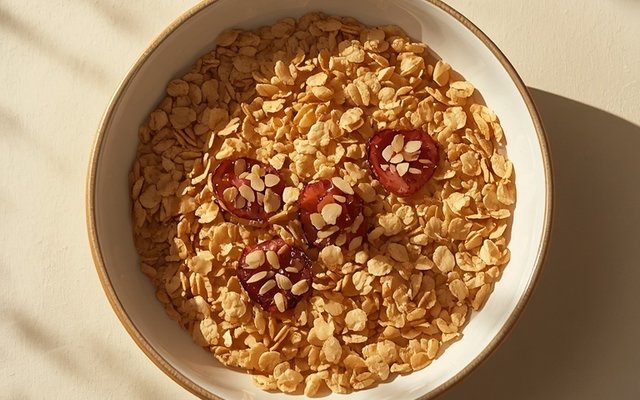
Millet flakes represent a wholesome, naturally gluten-free grain product derived from dehulled proso millet kernels. For individuals managing celiac disease or gluten sensitivities, they serve as a gentle and versatile dietary staple. Packed with essential B-complex vitamins (thiamine, riboflavin, niacin), they sustain cognitive performance and metabolic energy production. Furthermore, their notable concentration of bioavailable silica actively promotes collagen synthesis, enhancing epidermal suppleness, hair follicle vitality, and nail resilience.

Buckwheat flakes as a healthy breakfast. Nutritional profile, ingredients, and tried-and-true breakfast recipes

Buckwheat flakes as a healthy breakfast. Nutritional profile, ingredients, and tried-and-true breakfast recipes

When considering breakfast cereal options, most individuals instinctively reach for conventional choices such as corn, oat, or rice flakes, typically served with milk or yogurt. However, the market provides a far broader selection—including buckwheat flakes, which represent not only a flavorful but also an exceptionally nutritious alternative. Their distinctive nutritional profile makes them an excellent option for both those actively managing their weight and those seeking a balanced, satisfying meal to start the day. Unlike many processed breakfast cereals, buckwheat flakes contain no added sugars while delivering complex carbohydrates, plant-based protein, and essential micronutrients.

Beer: nutritional properties, impact on weight loss, diabetes, kidney function, and physical activity – a comprehensive analysis

Beer: nutritional properties, impact on weight loss, diabetes, kidney function, and physical activity – a comprehensive analysis

The summer season is frequently synonymous with social barbecues, where a bottle or can of one’s preferred beer often takes center stage. The spectrum of available varieties is vast: from traditional light and dark ales to specialty brews infused with honey or buckwheat, alongside wheat-based, gluten-free, rice-derived, and differently filtered options. Beyond its gustatory and cultural appeal, however, this beverage warrants closer examination of its biochemical composition, potential health benefits, and possible risks—particularly in relation to weight-loss diets, blood glucose regulation, urinary system function, and its impact on physical performance during exercise.

Pistachios: a comprehensive nutritional analysis and health benefits of low-calorie, high-biological-value nuts

Pistachios: a comprehensive nutritional analysis and health benefits of low-calorie, high-biological-value nuts

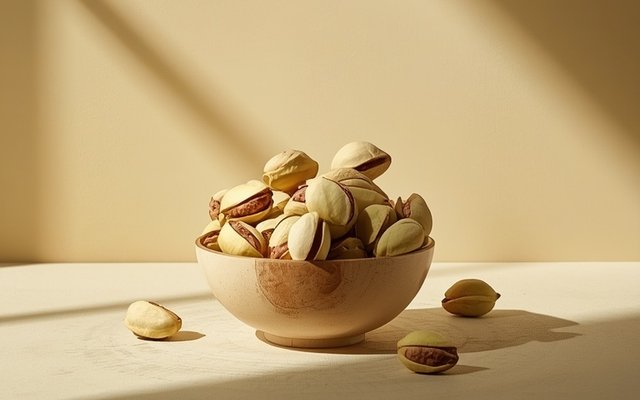
Pistachios (Pistacia vera) stand out among tree nuts for their superior protein-to-calorie ratio, remarkable concentrations of lutein and zeaxanthin, and abundant potassium and phytosterols. This comprehensive guide details their biochemical profile, cardioprotective and ocular benefits, and evidence-based integration into weight management diets.

Healthy Eating Guidelines for Children and Adolescents: Strategies for Preventing Overweight in the Developmental Age Group

Healthy Eating Guidelines for Children and Adolescents: Strategies for Preventing Overweight in the Developmental Age Group

Nutritional habits established during childhood and adolescence fundamentally dictate peak bone mass, cognitive performance, and lifetime risk of obesity and type 2 diabetes. This comprehensive pediatric guide examines the youth food pyramid, essential developmental micronutrients (calcium, iron, vitamin D), and evidence-based family strategies to curtail ultra-processed foods.

Black pepper: Comprehensive properties and health benefits of a traditional spice with invaluable culinary and medicinal value

Black pepper: Comprehensive properties and health benefits of a traditional spice with invaluable culinary and medicinal value

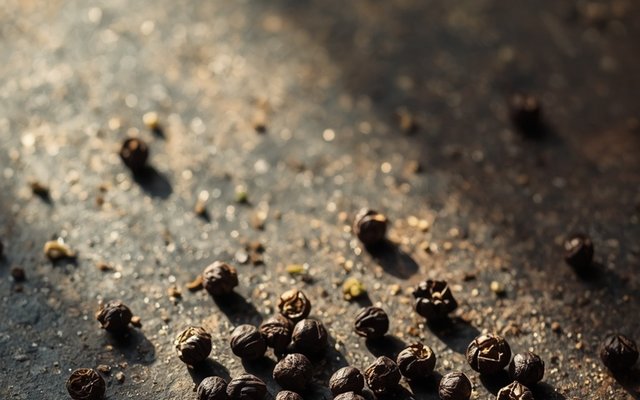
Black pepper (Piper nigrum) is far more than a universal culinary seasoning; it is an evidence-supported phytotherapeutic botanical. Its key alkaloid, piperine, stimulates gastric hydrochloric acid secretion, optimizes digestive motility, accelerates thermogenesis, and protects cellular lipids from oxidative breakdown. This guide examines scientific facts and myths surrounding the therapeutic efficacy of black pepper.

Creamy sesame tahini paste – health benefits, nutritional ingredients, and dietary use

Creamy sesame tahini paste – health benefits, nutritional ingredients, and dietary use

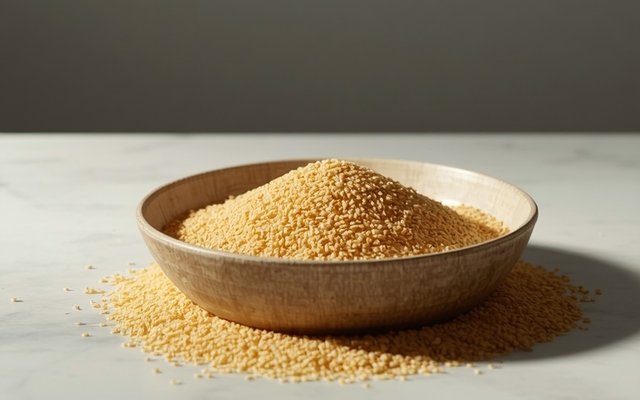
Creamy tahini paste, crafted from lightly toasted and stone-ground sesame seeds (Sesamum indicum), is a nutritional cornerstone of Mediterranean, Middle Eastern, vegetarian, and vegan diets. Distinguished by its high concentration of non-heme iron, calcium, magnesium, and zinc, tahini plays a vital role in preventing micronutrient deficiencies among women of reproductive age and individuals excluding meat or dairy products.Alongside complete plant-based protein, tahini delivers unique sesame lignans (sesamin, sesamolin, and sesamol), phytosterols, and unsaturated fatty acids that actively support cardiovascular and metabolic health.

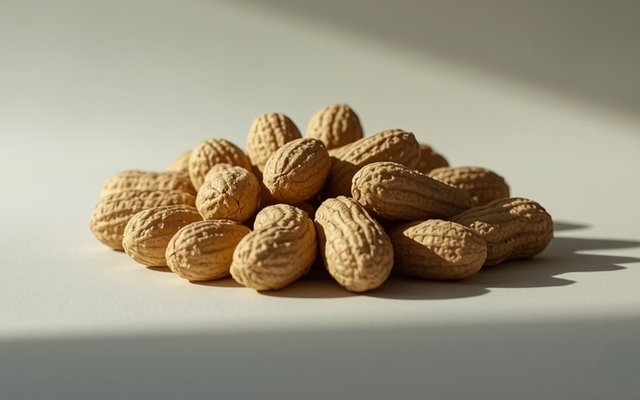
Peanuts – characteristics, cultivation methods, and health impact: analysis of nutritional value and potential consumption benefits

Peanuts – characteristics, cultivation methods, and health impact: analysis of nutritional value and potential consumption benefits

Annual global peanut production reaches millions of metric tons, with the legume available in diverse forms—ranging from whole kernels to confectionery products, peanut butter, oil, and high-protein food formulations. Due to their cost-efficient protein-to-price ratio, they represent a highly sought-after ingredient for food manufacturers, who continually expand their applications. But does their regular consumption yield measurable health benefits? Are there evidence-based reasons to incorporate them into daily dietary patterns?

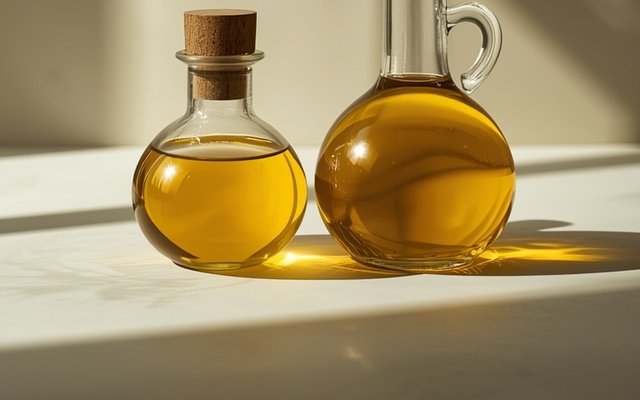
Olive oil – classification, biochemical profile, and health benefits of the liquid gold of the Mediterranean diet

Olive oil – classification, biochemical profile, and health benefits of the liquid gold of the Mediterranean diet

The modern dietary market features an extensive spectrum of edible vegetable oils, among which olive oil remains the undisputed cornerstone of the Mediterranean diet. Rooted in ancient agricultural traditions and extensively substantiated by contemporary biomedical research, extra virgin olive oil offers a superior fatty acid profile and a rich array of bioactive polyphenols. Understanding the distinct commercial classifications, processing techniques, and underlying biochemical mechanisms reveals why this nutrient-dense lipid continues to set the benchmark in preventative nutrition.

Melaleuca Oil – Therapeutic Properties, Anti-acne Action, and Effect on Nail Condition. A Comprehensive Guide to Use in Home Care and Medicinal Treatments

Melaleuca Oil – Therapeutic Properties, Anti-acne Action, and Effect on Nail Condition. A Comprehensive Guide to Use in Home Care and Medicinal Treatments

Phytotherapy, as a scientifically validated branch of natural medicine, has experienced significant growth in Poland in recent years. Of particular interest is the essential oil derived from the leaves of the Australian Melaleuca alternifolia tree, whose distinctive bioactive properties—including potent antimicrobial, anti-inflammatory, and tissue-regenerative effects—render it a valuable component in both the prevention and adjunctive treatment of diverse dermatological conditions and nail plate disorders. Its versatility and ease of application have established it as a favored option among individuals seeking evidence-based, plant-derived alternatives to conventional pharmacological formulations.

Wheat germ oil – characteristics and use in skin care and natural cosmetics

Wheat germ oil – characteristics and use in skin care and natural cosmetics

Amid the growing interest in natural skincare ingredients, the market is flooded with new plant-based oils touted for their exceptional properties, often accompanied by premium pricing and promises of transformative results. However, not all live up to consumer expectations. A notable exception is wheat germ oil—a product with well-documented health benefits and a rich nutritional profile. Continue reading to explore the details of this unique raw material and its potential applications in cosmetology and dermatological care.

Use of camphor oil in alleviating ear pain and other ailments – characteristics and definition of camphor

Use of camphor oil in alleviating ear pain and other ailments – characteristics and definition of camphor

Camphor oil represents a versatile natural preparation widely utilized in both therapeutic practices and cosmetic manufacturing. It is a common ingredient in various body ointments, aromatherapy formulations, and numerous plant-based skincare products. Nevertheless, how many individuals are fully aware of what this oil precisely entails—its constituent compounds, and the medicinal as well as cosmetic properties attributed to it in both traditional and contemporary applications?

Share