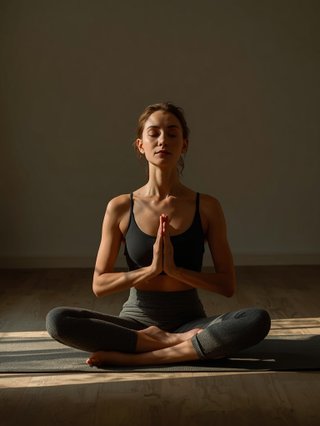
Yoga – what it is, benefits


Table of Contents 4
Medical & Editorial Disclaimer (§3 Terms): This article is for informational and educational purposes only, does not constitute medical advice, diagnosis, or treatment, and is used at your own risk. Consult a qualified physician for medical conditions.
The physiological and psychological benefits of regular practice stem from its dual focus on physical conditioning and mental training. On a structural level, the exercises help improve muscle flexibility and joint mobility, while the meditative and breathing components foster better concentration and emotional stability. As a valuable supportive practice against daily pressures, consistent participation helps reduce stress, enhances self-esteem, and restores inner balance, creating a lasting sense of peace and personal security.
Today, yoga programs are highly adaptable to individual abilities and health conditions, expanding far beyond traditional studios and fitness clubs into hospitals, nursing homes, kindergartens, and corporate centers. To gain the greatest benefit, practitioners should select sessions tailored to their specific developmental level and physical needs. Incorporating this balanced combination of breathwork, meditation, and movement into a weekly routine provides a sustainable method for supporting overall health and managing everyday stress.
What is Yoga?
Why it's advantageous to practice yoga
Who can reap benefits from yoga exercises
Overview
Want to apply these guidelines in your daily diet?
Our smart diet generator creates a tailored meal plan in 3 minutes based on the recommendations in this article.

Cramer H. et al., Yoga for depression: A systematic review and meta‐analysis „Depression and Anxiety” 2013, 30(11), 1068–1083. Curtis K.J.B. et al., Evaluation of a modified yoga program for persons with spinal cord injury, „Therapeutic Recreation Journal” 2015, 49(2), 97. Johnson N.L., Hodges J.S., Keller M.J., Get Moving and Keep Moving: Motivating Older Adults for Participation in Leisure Time Physical Activity, „Activities, Adaptation & Aging” 2006, 31(2). Latha M.U., Nature of Work and Fatigue: Role of Yoga Training, „Journal of Indian Psychology” 2003, 21(1). Shamanthakamani N. et al., Efficacy of Yoga on Pregnancy Outcome, „The Journal of Alternative and Complementary Madicine” 2005, 11(2), 237–244. Skorupińska A., Bojarska-Hurnik S., Tyl K., Preferowana aktywność fizyczna w II i III trymestrze ciąży, „Fizjoterapia” 2015, 23(1), 34–42. Sławek M., Śleboda R., Joga i jej wartości w kształtowaniu zdrowego stylu życia, „Zeszyty Naukowe Uniwersytetu Szczecińskiego. Ekonomiczne Problemy Usług” 2011, 78, 153–166. Świerzowska A., Ciało w jodze. Tradycja i współczesność, „Rozprawy Naukowe Akademii Wychowania Fizycznego we Wrocławiu” 2015, 48, 63–75. Telles S. et al., Yoga: Can It Be Integrated with Treatment of Neuropathic Pain, „Integrative Medicine International” 2017, 4(1–2), 69–84. Zwick D., Dunn M., Integrating Iyengar yoga into rehabilitation, „Nursing” 2007, 37, 10–12.
Diets Premium Expert
Diets Premium team expert. Specializes in nutrition plans, strength sports, and training plans.