The latest data on hypertension is alarming – this condition affects nearly 30% of the population in most countries, while those unaware of high blood pressure may account for as much as 50%. Fortunately, the DASH diet (Dietary Approaches to Stop Hypertension) has clinically proven efficacy and delivers measurable benefits for those who adhere to it. What are the fundamental guidelines of its application and what outcomes can be achieved?
02 / 04
The DASH diet is the rule
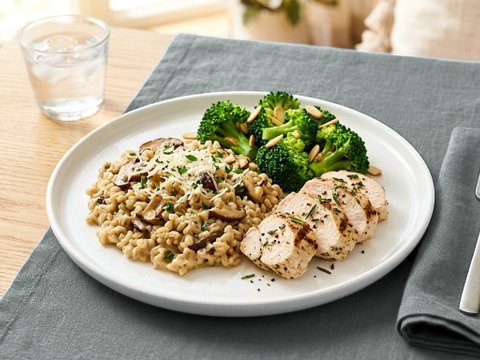
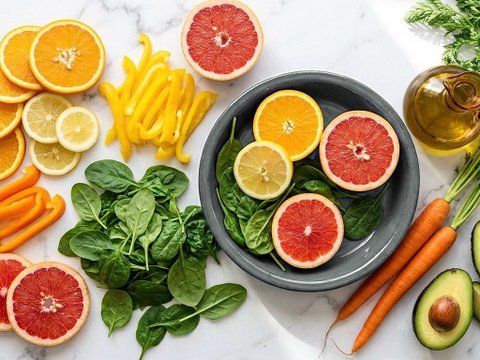
The DASH diet is based on both quantitative and qualitative selection of products. You can read here what to eat on the DASH diet. It should consist of: 6 – 8 servings of whole-grain flour-based products – source of energy, B vitamins, minerals, and fiber (1 serving is, for example: 1 slice of bread, ½ cup of flakes, ½ cup of rice, pasta, or groats); 4 – 5 servings of vegetables such as, among others, tomatoes, potatoes, beans, carrots, broccoli, cauliflower, spinach, artichokes, and fruits: apricots, bananas, oranges, grapefruits, peaches, pineapples, dried plums, strawberries, mandarins – they are a main source of magnesium, potassium, and fiber (1 serving of vegetables is for example ½ cup of cooked vegetables, 1 cup of vegetable juice, and fruits: 1 medium-sized fruit, ½ cup of fresh fruit or ¼ cup of dried fruit); 2 – 3 servings of low-fat or fat-free dairy products such as: 1, 0% milk, low-fat buttermilk fat content, fat-free or low-fat yogurt – main source of calcium and protein (1 serving of dairy product equals: a glass of milk or yogurt); 2 – 3 servings of meat or fish: lean, white meat without fat, cooked, baked or stewed – source of protein and magnesium (1 serving of product is approx. 90 grams of poultry or fish); 4 – 5 servings per week of nuts, seeds, legumes such as: hazelnuts, walnuts, sunflower seeds, flaxseed, almonds, peas, beans, lentils, chickpeas – a source of protein, fiber, and magnesium (1 serving contains: a handful of nuts – approx. 20 – 30 g, ½ cup cooked legumes; 2 – 3 portions of fats: oils such as olive oil, rapeseed oil, butter, or margarine – source of unsaturated fatty acids (1 portion contains: 1 tablespoon of oil, 1 teaspoon of butter); no more than 5 portions of sweets and added sugars per week, e.g., honey, maple syrup, jam (1 portion is: 1 teaspoon of sugar, jam) [5]. The DASH diet requires giving up products containing high amounts of sodium, such as: cold cuts, highly processed and smoked products, white bread, canned fish, fatty meats, and salty snacks. Salt can be replaced with spices, herbs, wine vinegar, or lemon. Fat should constitute a maximum of 27% of the diet – the main source should be vegetable fat [6], animal fat should be limited. You can buy ready-made DASH diet menus in various calorie counts here. This is a convenient and quick way to incorporate DASH diet principles into your life! Alongside diet, lifestyle changes are also important – quitting vices such as smoking and drinking alcohol, incorporating daily physical activity, and getting a sufficient amount of sleep.
03 / 04
The DASH diet is on the menu
Meal plan set at 2000 kcal Day 1 (2039 kcal) Breakfast Oatmeal (80 g) with cow's milk 1. 5% (250 ml), raisins (30 g), hazelnuts (10 g), lemon tea Lunch Tomato soup Potatoes in their skin (200 g), stewed trout (100 g), broccoli (100 g), olive oil (10 g) Orange juice (250 g) Afternoon snack Fruit salad: banana (100 g), mandarins (60 g), apples (100 g) Mineral water Dinner Pasta (100 g) with pesto, green olives (30 g) Green tea (250 g) Day 2 (1987 kcal) Breakfast Steamed scrambled eggs (100 g), cherry tomatoes (100 g), whole grain bread (35 g) Black tea with honey II breakfast Strawberry smoothie (100 g) and banana (100 g), natural yogurt (100 g), sunflower seeds (15 g) Lunch Vegetable soup Chicken and vegetable risotto: brown rice (100 g), chicken (100 g), broccoli (100 g), potatoes (50 g), carrot (50 g), green peas (50 g) Apple juice Afternoon snack Wholemeal roll (70 g) with lean cold cuts (40 g), raw cucumber (50 g) Black tea Dinner Tuna salad: tuna (50 g), low-fat cottage cheese (60 g), olive oil (10 g), lemon Rice cakes (30 g) Day 3 (2056 kcal) Breakfast Wholemeal bread (35 g) with jam (30 g) Smoothie with natural yogurt (150 g), orange (200 g), walnuts (25 g) Mid-morning snack Baked apple (100 g) Vegetable juice (250 g) Lunch Pumpkin cream soup (350 g) Carrot patties (150 g) with spinach (100 g) and olive oil (10 g), buckwheat groats (100 g) Plum compote (250 g) Afternoon snack Smoothie with 1.5% milk (250 g), banana (200 g), flaxseed (10 g) Dinner Wholemeal bread (70 g) with olive oil (5 g) with kale, egg (100 g) sun-dried tomatoes (50 g) Fruit tea (250 g) Day 4 (1968 kcal) Breakfast Whole-grain bread (70 g), margarine (10 g), low-fat cottage cheese (50 g), radish (45 g), chives Cereal coffee with milk Lunch Bean soup (350 g) Rice balls with chickpeas (100g rice, 1 can chickpeas), salad of tomatoes and cucumbers (100 g) Apple juice (250 g) Afternoon snack Banana (100 g), almonds (30 g) Dinner Pasta (100 g) with broccoli (100 g), olive oil (10 g), cherry tomatoes (80 g) Lemonade (250 g) Day 5 (1960 kcal) Breakfast Wholemeal bread (70 g) with peanut butter (50 g) Coffee with milk Banana (100 g) Mid-morning snack Apple (100 g) Strawberry smoothie (250 g) Lunch Broccoli soup (350 g) Stewed cod (100 g), brown rice (80 g), cooked vegetables: lentils, carrot, broccoli (150 g) Afternoon snack Fruit salad: banana (100 g), raspberries (100 g), strawberries (50 g) Dinner Wholemeal pasta (100 g) with low-fat white cheese (100 g), black olives (30 g) Fruit tea Day 6 (1949 kcal) Breakfast Natural yogurt (250 g) with flaxseed (10 g), apple (50 g), pine nuts (10 g) Tea with lemon Lunch Cauliflower soup (350 g) Potato cutlets with cottage cheese and mushrooms: potatoes (200 g), cottage cheese (100 g), egg (50 g), mushrooms (50 g), carrot salad (100 g) Cherry compote (250 g) Afternoon snack Mango smoothie (50 g), kiwi (60 g) and banana (100 g) g) Dinner Steamed Scrambled Eggs (100 g) with spinach (80 g) and olives (30 g) Black tea Day 7 (2019 kcal) Breakfast Oatmeal (70 g) with soy milk (250 g), cranberries (15 g), almonds (10 g), hazelnuts (10 g) Mid-morning snack Toast (70 g) with raspberry puree (30 g) Mandarin orange (60 g) Lunch Potato soup (350 g) Vegetable pilaf: barley groats (100 g), chickpeas (100 g), bell pepper (50 g), carrot (50 g), zucchini (half), cashew nuts (10 g), olive oil (5 g) Lemonade (250 g) Afternoon snack Almonds (30 g) Kiwi (60 g) Dinner: Wholemeal bread (70 g) with low-fat cottage cheese (50 g), radish (50 g) and chives.
Want to apply these guidelines in your daily diet?
Our smart diet generator creates a tailored meal plan in 3 minutes based on the recommendations in this article.