Soybean oil – properties, culinary uses, and selection criteria
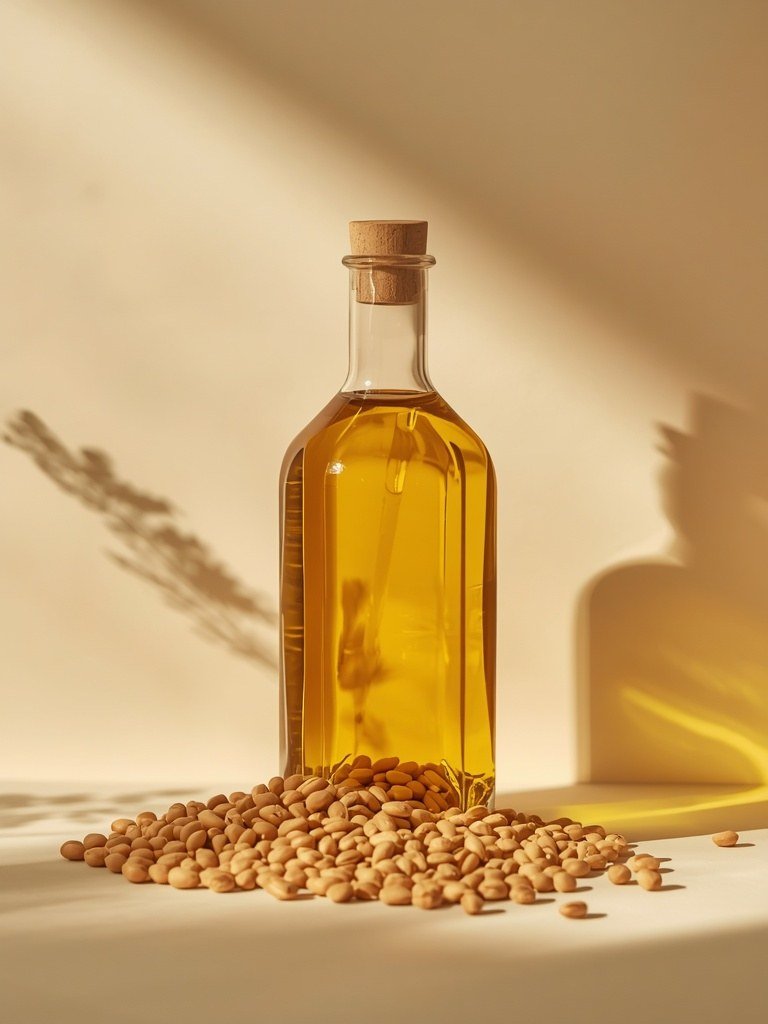
Table of Contents 4
Medical & Editorial Disclaimer (§3 Terms): This article is for informational and educational purposes only, does not constitute medical advice, diagnosis, or treatment, and is used at your own risk. Consult a qualified physician for medical conditions.
From a physiological perspective, soybean oil is notable for its rich composition of polyunsaturated fatty acids, specifically linoleic acid and alpha-linolenic acid, alongside monounsaturated oleic acid. Replacing dietary saturated fats with these polyunsaturated lipids contributes to the maintenance of normal blood cholesterol levels and supports long-term vascular health. Additionally, the oil provides vitamin E, which helps protect cellular structures from oxidative damage, as well as phylloquinone, a form of vitamin K that plays an essential role in normal blood coagulation.
In everyday culinary practice, unrefined virgin soybean oil should strictly be kept away from elevated temperatures, as its delicate polyunsaturated fatty acids are highly susceptible to thermal degradation and oxidation. Instead, it is best enjoyed cold, drizzled over raw vegetable slaws, whisked into homemade salad dressings, added to whole grain bowls, or used in cold marinades. When selecting a product, consumers should look for certified organic, non-GMO, cold-pressed oils packaged in dark glass bottles, and ensure they are stored in a cool, dark cabinet to preserve their nutritional quality.
Soybean seed oil, one of the most widely consumed vegetable oils globally, is extracted from the seeds of the soybean plant (Glycine max). Rich in essential unsaturated fatty acids, phytosterols, and vitamins E and K, soybean oil supports lipid homeostasis and cardiovascular integrity when incorporated into a balanced diet and kept free from excessive heat exposure.
Origin and characteristics of soybean oil
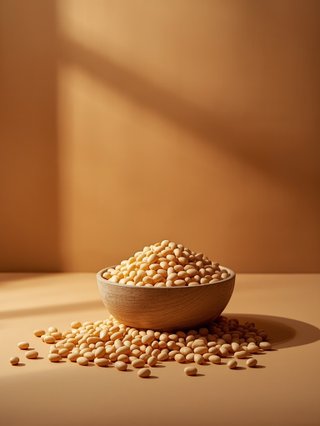
Soybeans are leguminous plants native to East Asia, where they have served as an agricultural cornerstone for millennia. Today, soybean oil represents one of the foremost edible vegetable fats globally. Unrefined cold-pressed soybean oil possesses an amber hue and a mild, nutty aroma, highly valued for its natural lecithin and antioxidant concentrations.
Nutritional profile, vitamin K, and cardiovascular health
Soybean oil provides substantial quantities of polyunsaturated fatty acids: linoleic acid (omega-6, approximately 50–55%) and alpha-linolenic acid (omega-3, approximately 7–10%), alongside monounsaturated oleic acid (20–25%). Replacing dietary saturated fats with polyunsaturated lipids from soybean oil supports healthy LDL-cholesterol levels and helps mitigate the progression of atherosclerosis.
Furthermore, soybean oil is a noteworthy source of phylloquinone (vitamin K1), essential for blood coagulation cascades and bone matrix mineralization to protect skeletal integrity. Vitamin E present in the oil scavenges free radicals. Due to the high proportion of omega-6 fatty acids, balanced dietary consumption alongside rich omega-3 sources is recommended.
Culinary application
Unrefined virgin soybean oil should not be exposed to elevated temperatures, as its polyunsaturated fatty acids readily undergo thermal degradation and oxidation. It is best enjoyed cold in salad dressings, raw vegetable slaws, whole grain bowls, and cold marinades.
Price, retail availability, and quality selection
Certified organic unrefined soybean oil is typically available through natural health food stores and online retailers at approximately 15–25 PLN per 250–500 ml bottle. When purchasing, opt for cold-pressed products packaged in dark glass containers with verified non-GMO certifications, and store them in a cool, dark environment.
Want to apply these guidelines in your daily diet?
Our smart diet generator creates a tailored meal plan in 3 minutes based on the recommendations in this article.
Tags

Isabella Taylor
• 23.10.2026Diets Premium Expert
Diets Premium team expert. Specializes in nutrition plans, strength sports, and training plans.