PRO
6 min read
Sleep – Its Importance for Health
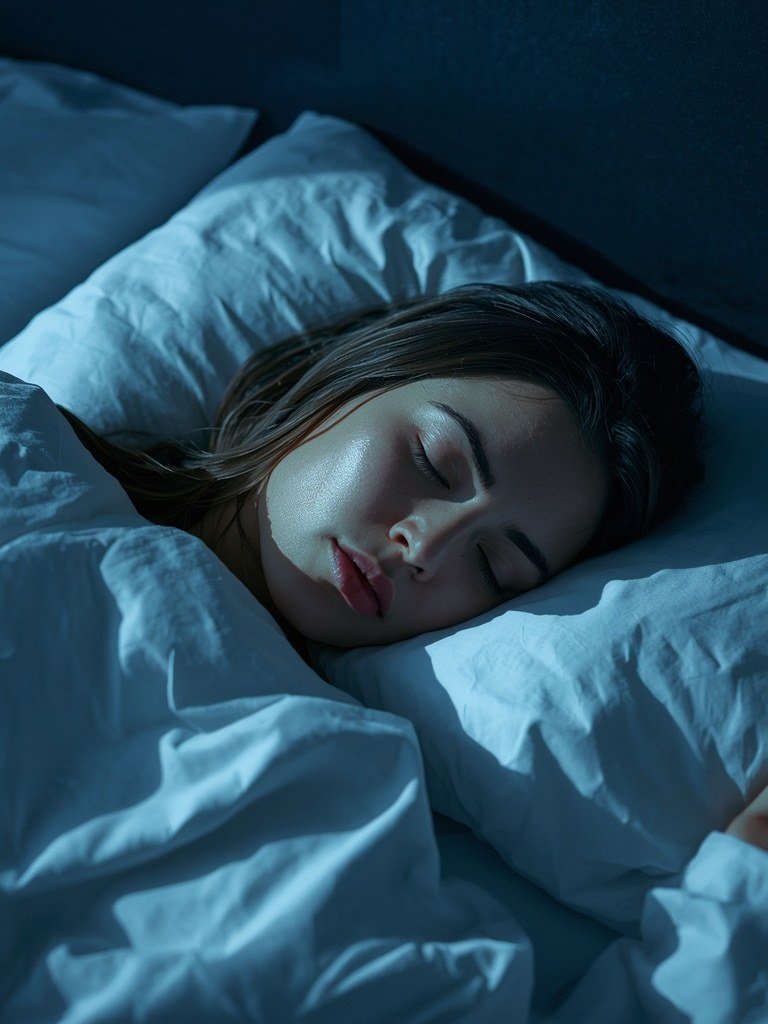
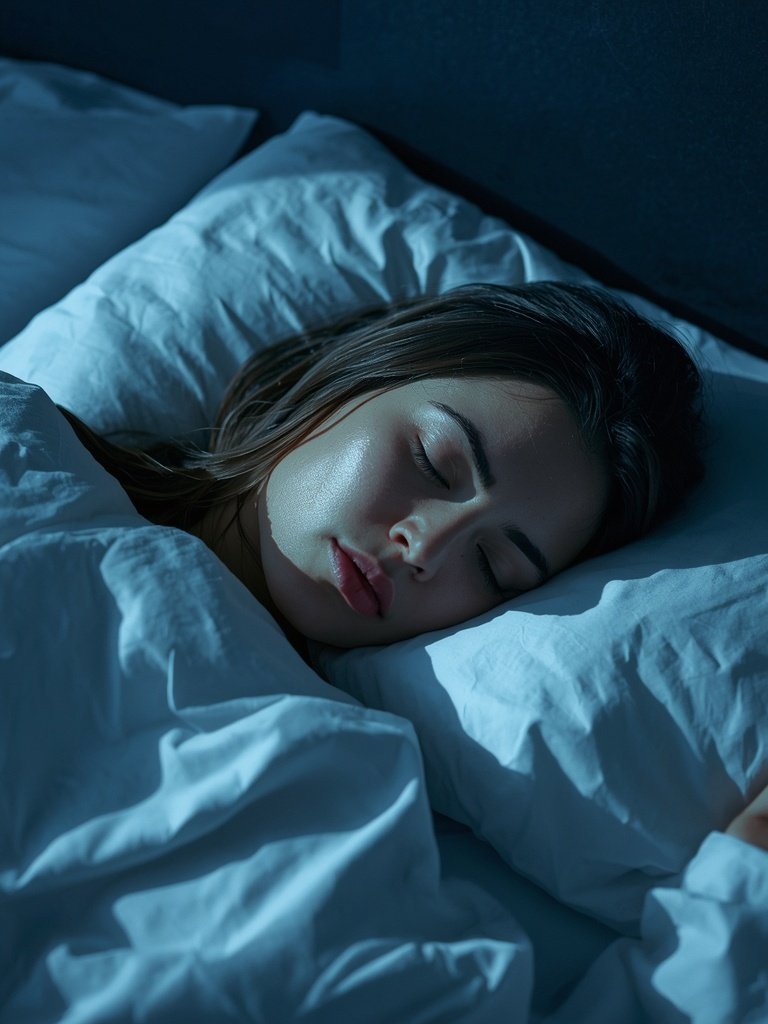
1 photo
499
Smart Voice
AI
0:00
0:00
Listen to the article content live
Table of Contents 11
PRO Content
PRO
This article is professional premium content (PRO) provided in its entirety.
Numerous individuals associate weight reduction with diet and increased physical activity, however, these are merely a few of the steps that we should take if we want to get rid of extra pounds. Significant is a comprehensive approach and the modification of lifestyle to a healthier one. One of the areas that should capture our attention is sleep quality.
01 / 11
Sleep, its phases, and the factors that influence it
Sleep is a state in which the body rests and regenerates itself. Disorders or lack of sleep can affect physical and mental balance. Studies of brain function, eyelid function, and subcutaneous muscle tension have shown that humans have 26 sleep cycles (A. Wichniak 2011).
02 / 11
The sleep cycle comprises two distinct segments: a non-rapid eye movement phase and a phase characterized by heightened ocular mobility
a) **Non-rapid eye movement phase (NREM)** – this segment is subdivided into three sequential stages: **stage one** represents the transitional period between wakefulness and the onset of sleep, **stage two** corresponds to light sleep, from which an individual can be readily awakened by external stimuli, whereas **stage three** constitutes deep sleep, distinguished by substantial difficulty in arousing; b) **Rapid eye movement phase (REM)** – during this interval, the brain exhibits heightened activity, which is commonly associated with the occurrence of vivid and intricate dream experiences.
03 / 11
The luminous regulator: Biological synchronization through photic exposure
Light serves as the principal environmental cue for entraining endogenous circadian oscillators, thereby governing the periodic fluctuations in hormonal secretion profiles. Central to this regulatory framework is melatonin—a methoxyindole synthesized by the pineal gland—whose production exhibits a pronounced photoperiodic dependency. Secretory activity commences with the onset of darkness, peaking in circulating concentrations between 02:00 and 04:00 hours, thereby reflecting the organism’s adaptive synchronization with ambient luminous cycles.
04 / 11
The Impact of Noise on Sleep Architecture and Stress Hormones
Environmental noise in the bedroom is one of the primary disruptions to healthy sleep architecture. Even moderate acoustic stimuli that do not lead to full conscious awakening can trigger micro-arousals and fragment restorative slow-wave sleep. In response to sound disturbances, the sympathetic nervous system activates, causing an acute release of stress hormones—cortisol, adrenaline, and noradrenaline. This neuroendocrine surge elevates heart rate, increases blood pressure, and severely compromises cellular and cognitive regeneration, leaving an individual fatigued upon waking. Mitigating ambient noise through soundproofing, high-fidelity earplugs, or sound masking with white noise machines significantly preserves sleep continuity.
05 / 11
Optimal thermal conditions for restorative sleep
Both excessive cold and heat can adversely affect nocturnal rest quality, substantially impeding the process of falling asleep. Consequently, it is essential to customize the bedroom microclimate according to one’s physiological requirements and subjective thermal preferences, thereby fostering the attainment of deep, uninterrupted sleep.
06 / 11
Optimal Indoor Air Humidity for Restful Sleep
During the winter season, indoor relative humidity frequently drops below 30% due to artificial heating systems. From a physiological standpoint, the optimal relative humidity for maintaining respiratory membrane integrity and supporting sound sleep lies between 40% and 60%, with 50% representing the ideal benchmark. Excessively dry air irritates the mucous membranes of the nasal passages and throat, exacerbates snoring, and increases susceptibility to respiratory pathogens. Conversely, ambient humidity exceeding 65% fosters dust mite and mold proliferation. Maintaining balanced indoor humidity through ultrasonic or evaporative humidifiers preserves respiratory comfort and enhances deep sleep quality.
07 / 11
Electronic devices: television, personal computer, and smartphone – sources of blue light with adverse effects on sleep
Devices such as televisions, computers, and mobile phones emit blue light, which has the potential to disrupt the natural synthesis of melatonin—a hormone responsible for regulating the sleep-wake cycle. This interference frequently results in difficulties falling asleep and diminished sleep quality. Health professionals strongly advise refraining from using such electronic equipment during evening hours, particularly after the main room lighting has been turned off. An alternative measure involves enabling night mode, which adjusts the emitted light spectrum from blue to warmer, yellowish hues. While this setting mitigates some of the adverse effects on the brain, it remains a disruptive factor in the sleep-onset process, as any artificial light source stimulates the nervous system and delays the onset of sleep.
08 / 11
Evening Meal and Sleep Quality: Nutritional Guidelines Before Bedtime
To ensure uninterrupted and restorative sleep, it is essential to consume a well-balanced evening meal and maintain an appropriate time interval between eating and retiring to bed. Research indicates that both hunger and overeating can adversely affect the process of falling asleep as well as the continuity of sleep throughout the night. The recommended timeframe between dinner and bedtime is approximately two to three hours, allowing the body to partially digest the food without overburdening the digestive system during rest. Furthermore, it is advisable to avoid spicy or heavily seasoned dishes, caffeinated beverages, and alcohol, as these substances may elevate body temperature, thereby contributing to difficulties in falling asleep or frequent nocturnal awakenings (source: Szechiński, 2009).
09 / 11
Consistent physical movement and sleep hygiene: essential components of a health-conscious lifestyle
While sustained yet moderate physical exertion constitutes a cornerstone of overall well-being, engaging in vigorous exercise immediately prior to sleep onset may yield counterproductive effects. Empirical evidence—including findings by T. Myllymäki and colleagues (2011)—demonstrates that evening workouts can elevate heart rate during the initial stages of sleep, thereby disrupting the body’s natural cardiac rhythm throughout the rest period. The synthesis of melatonin, the hormone governing circadian rhythms, is critically dependent on tryptophan, an exogenous amino acid that cannot be endogenously manufactured by the human body. Dietary sources rich in this compound include lean meats (such as chicken breast or turkey), both saltwater and freshwater fish, dairy products (cheese, yogurt, milk), legumes (lentils, beans, chickpeas), and select fruits—notably bananas, kiwifruit, and avocados. In addition to melatonin, serotonin—a neurotransmitter that modulates nervous system activity—plays a pivotal role in sleep architecture, exerting a profound influence on mood stability and psychological well-being. It is noteworthy that the body’s capacity for melatonin production declines progressively with age, peaking in efficiency between the ages of 35 and 40. A nuanced understanding of the multifaceted factors influencing sleep quality, coupled with deliberate lifestyle adjustments, can substantially enhance nocturnal recovery, thereby mitigating the risk of developing chronic sleep disorders, including insomnia.
10 / 11
How Sleep Deprivation Impacts the Human Body: Metabolic, Endocrine, and Cardiovascular Consequences
Scientific research consistently demonstrates that individuals experiencing chronic sleep curtailment exhibit irregular dietary patterns, consume higher amounts of energy-dense foods (rich in refined carbohydrates and saturated fats), and consume fewer vegetables and fruits, frequently resorting to high-calorie late-night snacking (K. Peuhkuri et al., 2012). Insufficient or poor-quality sleep is directly linked to an increased incidence of overweight and obesity (G. Jean-Louis et al., 2014).
This association is mediated by neuroendocrine shifts governing appetite-regulating hormones: leptin and ghrelin. Under normal conditions, healthy nocturnal sleep regulates their physiological balance. When sleep duration is restricted, circulating levels of leptin—the satiety-signaling hormone—decrease, while concentrations of ghrelin—the hunger-stimulating hormone—substantially rise. Consequently, individuals with chronic sleep disturbances are twice as likely to develop obesity compared to sound sleepers.
Beyond appetite regulation, sleep deprivation profoundly alters broader endocrine homeostasis, notably cortisol and insulin dynamics. Cortisol is the body's primary stress hormone; shortened sleep triggers elevated cortisol levels, resulting in chronic fatigue, mood instability, and cognitive deficits. Chronically elevated cortisol combined with insufficient rest severely impairs the glucose-insulin axis: peripheral cell sensitivity to insulin diminishes, impairing systemic glucose tolerance and elevating the risk of developing type 2 diabetes. Lower insulin sensitivity promotes visceral adiposity in the abdominal region, which in turn reinforces insulin resistance in a vicious cycle (A. V. Nedeltcheva, F. A. Scheer, 2016).
Furthermore, short sleep duration significantly raises the risk of cardiovascular morbidity and metabolic syndrome (Q. Song et al., 2016; M. Doo, Y. Kim, 2016). Excessive sleep is likewise undesirable, as prolonged sedentary sleep duration has been correlated with elevated lipid profiles and cholesterol abnormalities (Y. Wang et al., 2015). Because obesity can also induce sleep-disordered breathing like obstructive sleep apnea, maintaining a healthy lifestyle, stabilizing body weight, and prioritizing consistent 7–8 hour sleep schedules provide a powerful shield against chronic disease.
11 / 11
Circadian biological rhythm and weight regulation: The impact of chronotype on weight loss strategies and metabolic health
Chronotype, the intrinsic biological rhythm governing an individual’s sleep-wake preferences, categorizes the population into "morning larks"—those who naturally awaken and retire early—and "night owls," who favor later sleep and activity schedules. Research demonstrates that night owls exhibit suboptimal dietary patterns, consuming greater quantities of high-calorie foods, including fast food, sugary snacks, caffeinated beverages, and alcohol. They frequently omit breakfast while consuming larger, less frequent meals later in the day. Nutritional analyses reveal that this group ingests lower levels of protein, dietary fiber, and folic acid compared to morning larks (Kanerva et al., 2012). Additionally, night owls often experience chronic sleep deprivation on weekdays, compensating with extended sleep durations on weekends (Roenneberg et al., 2003). Conversely, morning larks demonstrate higher intakes of fruits and vegetables alongside more consistent sleep schedules (Patterson et al., 2016). The evening chronotype is associated with an elevated risk of type 2 diabetes (Merikanto et al., 2013), primarily due to disrupted glucose-insulin homeostasis resulting from late-night eating. Consuming carbohydrate-rich meals before bedtime leads to elevated blood glucose levels both pre-sleep and upon waking. Furthermore, night owls face a heightened susceptibility to cardiovascular diseases (Kantermann et al., 2014). Ethnic background also influences chronotype distribution: German populations tend toward evening preferences, whereas Slovaks predominantly exhibit morning tendencies (Randler et al., 2015). Some studies suggest that women are more likely to display a morning chronotype, while men lean toward evening patterns (Lehnkering & Siegmund, 2007). Further investigation is required to elucidate the impact of chronotype on weight loss efficacy and metabolic disease susceptibility. Regardless of the day, maintaining a consistent wake-up time is advised. Short naps may alleviate daytime fatigue. Optimal sleep duration ranges from 7 to 9 hours nightly. Inadequate sleep exacerbates hunger cues, making sleep hygiene a critical component of overweight and obesity management. A well-rested body possesses greater energy reserves for physical activity, which confers myriad health benefits. Cultivating balanced dietary habits, engaging in regular exercise, and allocating time for relaxation are equally essential.
Meal Plan
Want to apply these guidelines in your daily diet?
Our smart diet generator creates a tailored meal plan in 3 minutes based on the recommendations in this article.
Tags

Scientifically reviewed by a clinical dietitian
• 25.09.2026
Katarzyna Mazur
Diets Premium Expert
Diets Premium team expert. Specializes in nutrition plans, strength sports, and training plans.
USDA FoodData Central
EFSA
PubMed Clinical Guidelines