Quantitative and qualitative malnutrition – causes, symptoms, and analysis of health consequences


Table of Contents 6
Medical & Editorial Disclaimer (§3 Terms): This article is for informational and educational purposes only, does not constitute medical advice, diagnosis, or treatment, and is used at your own risk. Consult a qualified physician for medical conditions.
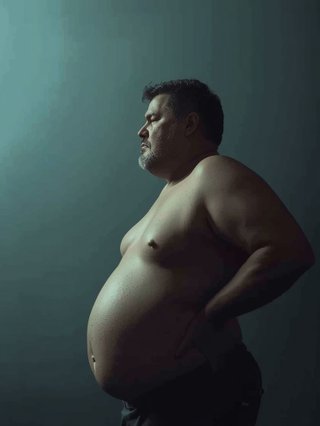
Physiological mechanisms underlying malnutrition are multifaceted and extend beyond individuals with low body weight. Malnutrition frequently occurs in people with normal weight or obesity, known as qualitative malnutrition, where the intake of essential micronutrients is insufficient despite adequate energy consumption. This state leads to a cascade of deleterious alterations, including a compromised immune response, degradation of lean muscle mass, and impaired bone density, as the body struggles to maintain vital functions under conditions of chronic nutritional deprivation.
Practical management of nutritional status requires a personalized approach that prioritizes the quality and density of essential nutrients. Rather than focusing solely on energy intake, individuals should emphasize the consumption of high-quality proteins, vitamins, and minerals to support metabolic health. It is essential to monitor physical well-being and seek professional guidance to tailor dietary regimens to specific physiological needs. By focusing on nutrient-dense choices, one can support the body’s natural regenerative processes and maintain optimal health throughout life.
This article is professional premium content (PRO) provided in its entirety.
Nutritional deficiencies: comprehensive definition, diagnostic criteria, and methodologies for identifying undernourishment in clinical and non-clinical settings
Classification and Characteristics of Primary Malnutrition Forms in Humans – Pathophysiological Mechanisms and Etiological Factors
Contrasting simple and complex starvation mechanisms: from acute nutritional deficit to metabolic complications in critical conditions
Systemic and clinical ramifications of nutritional deficiencies in human physiology
Tailored nutritional interventions and non-pharmacological approaches in malnutrition management – from medical nutrition therapy to refeeding syndrome prevention
Comprehensive overview of nutritional deficiencies and their clinical and diagnostic implications
Want to apply these guidelines in your daily diet?
Our smart diet generator creates a tailored meal plan in 3 minutes based on the recommendations in this article.

Coulthard M.G., Oedema in kwashiorkor is caused by hypoalbuminaemia, „Pediatrics and International Child Health” 2015, 35(2), 83–89. Geriatria i pielęgniarstwo geriatryczne, pod red. Wieczorowskiej-Tobis K., Talarskiej D., Warszawa 2022. Lewandowicz-Umyszkiewicz M., Wieczorowska-Tobis K., Nowe kryteria diagnozowania niedożywienia, „Geriatria” 2019, 13, 101–105. Medycyna stylu życia, pod red. Śliża D., Mamcarza A., Warszawa 2018. Ostrowska L., Orywal K., Stefańska E., Diagnostyka laboratoryjna w dietetyce, pod red. Ostrowskiej L., Warszawa 2021, 115–116. Pham T.-P.-T. et al., Difference between kwashiorkor and marasmus: Comparative meta-analysis of pathogenic characteristics and implications for treatment, „Microbial Pathogenesis” 2021, 150, epub.
• 23.10.2026Diets Premium Expert
Diets Premium team expert. Specializes in nutrition plans, strength sports, and training plans.