Is whey from milk really such a valuable product? Its benefits and uses.


Table of Contents 3
Medical & Editorial Disclaimer (§3 Terms): This article is for informational and educational purposes only, does not constitute medical advice, diagnosis, or treatment, and is used at your own risk. Consult a qualified physician for medical conditions.
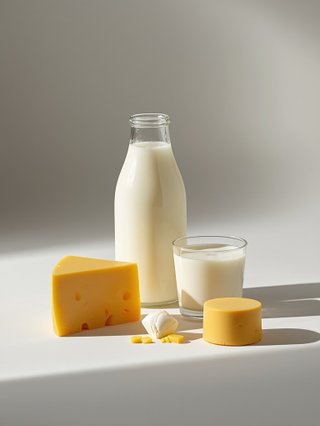
The physiological benefits of whey are rooted in its status as a complete protein, containing all the essential amino acids required by the human body. Beyond its protein content, it serves as a delivery system for B-complex vitamins and vital minerals such as calcium and phosphorus. Scientific insights suggest that whey protein promotes a greater sense of satiety compared to other sources like casein or soy. Its lightweight molecular structure allows for rapid absorption within the intestinal tract, ensuring that its nutritional components are quickly available for metabolic needs.
For daily health management, whey offers versatile applications ranging from traditional liquid consumption to concentrated dietary supplements favored by athletes. Its ability to promote fullness makes it a strategic addition to weight management plans and reduction diets. By incorporating whey into a balanced lifestyle, individuals can leverage its high nutritional density to support muscle maintenance and overall vitality. This dairy derivative proves that traditional food processing methods can yield modern solutions for comprehensive nutritional support.
Milk syrup
What's the use of milk syrup?
What do you do with the syrup?
Want to apply these guidelines in your daily diet?
Our smart diet generator creates a tailored meal plan in 3 minutes based on the recommendations in this article.

Literatura: FitzGerald RJ, Meisel H. Lactokinins: whey protein-derived ACE inhibitory peptides. Nahrung. 1999 Jun;43(3):165 Seppo L, Jauhiainen T, Poussa T, et al. A fermented milk high in bioactive peptides has a blood pressure-lowering effect in hypertensive subjects. Am J Clin Nutr. 2003 Feb;77(2):326-30. Boirie Y, Dangin M, Gachon P, et al. Slow and fast dietary proteins differently modulate postprandial protein accretion. Proc Natl Acad Sci U S A. 1997 Dec 23;94(26):14930-5. Paddon-Jones D, Westman E, Mattes RD, et al. Protein, weight management, and satiety. Am J Clin Nutr. 2008 May;87(5):1558S-1561S.
• 24.09.2026Diets Premium Expert
Diets Premium team expert. Specializes in nutrition plans, strength sports, and training plans.