How to protect your heart while taking care of your health?


Table of Contents 5
Medical & Editorial Disclaimer (§3 Terms): This article is for informational and educational purposes only, does not constitute medical advice, diagnosis, or treatment, and is used at your own risk. Consult a qualified physician for medical conditions.
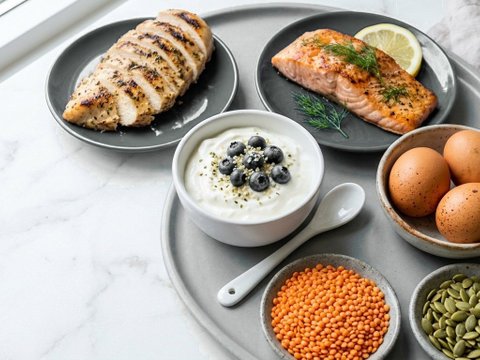
Consistent physical exercise acts as a primary pillar of heart health by enhancing vascular compliance, optimizing blood lipid profiles, and reducing atherogenic cholesterol fractions. Beyond physical training, specific dietary components play a protective metabolic role. Essential trace elements like selenium, naturally abundant in cold-water species such as Atlantic salmon, support cellular antioxidant defenses within the vascular system. Furthermore, regular intake of garlic contributes to the mitigation of arterial plaque buildup, while a deliberate reduction in dietary sodium significantly lowers mechanical stress on vessel walls caused by elevated blood pressure.
Practical implementation of heart-conscious living relies on thoughtful daily substitutions and habit refinements. Minimizing the use of heavily processed spreads and excessive animal fats in favor of nutrient-dense alternatives like avocado delivers beneficial lipids directly into the daily diet. Replacing conventional salt with garlic, spices, and fresh herbs enhances flavor while keeping sodium levels within a cardiovascular-friendly range. Paired with routine physical activity, these sustainable nutritional adjustments provide strong, evidence-backed support for lifelong cardiovascular vitality.
The role of selenium in maintaining optimal cardiovascular system function
The preventive role of garlic in cardiovascular disorders: clinical evidence and underlying biological pathways
Sodium intake reduction as a cornerstone of cardiovascular disease prevention
Nutrient-rich, health-conscious substitutes for a balanced dietary regimen
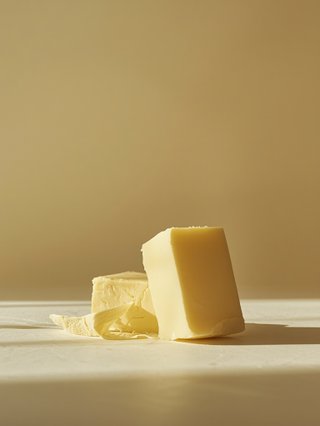
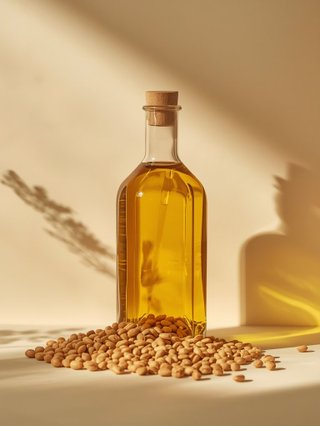
Television commercials frequently advocate for replacing conventional butter with plant-based margarine spreads, positioning them as a superior health-conscious choice. However, medical professionals remain divided on this recommendation. Emerging scientific meta-analyses indicate a robust correlation between habitual margarine consumption and elevated carcinogenic risk. The most judicious approach involves the measured reduction of butter in daily meal preparation. A compelling substitute is avocado butter, which is abundant in monounsaturated fatty acids and devoid of harmful trans fats. A cardiovascular-supportive diet should exclude refined vegetable oils and animal lard, opting instead for premium plant-based fats—particularly extra virgin olive oil or cold-pressed canola oil. Furthermore, rather than conventional frying, culinary techniques that minimize lipid oxidation are advised, including steaming, foil baking, or open-flame grilling.
Physical Activity as the Cornerstone of Cardiovascular Fitness and Well-Being
Want to apply these guidelines in your daily diet?
Our smart diet generator creates a tailored meal plan in 3 minutes based on the recommendations in this article.

mgr Mateusz Pawlak
Diets Premium Expert
Diets Premium team expert. Specializes in nutrition plans, strength sports, and training plans.