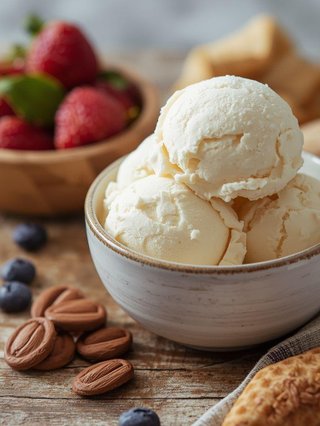
Food intake in older adults - sample menu
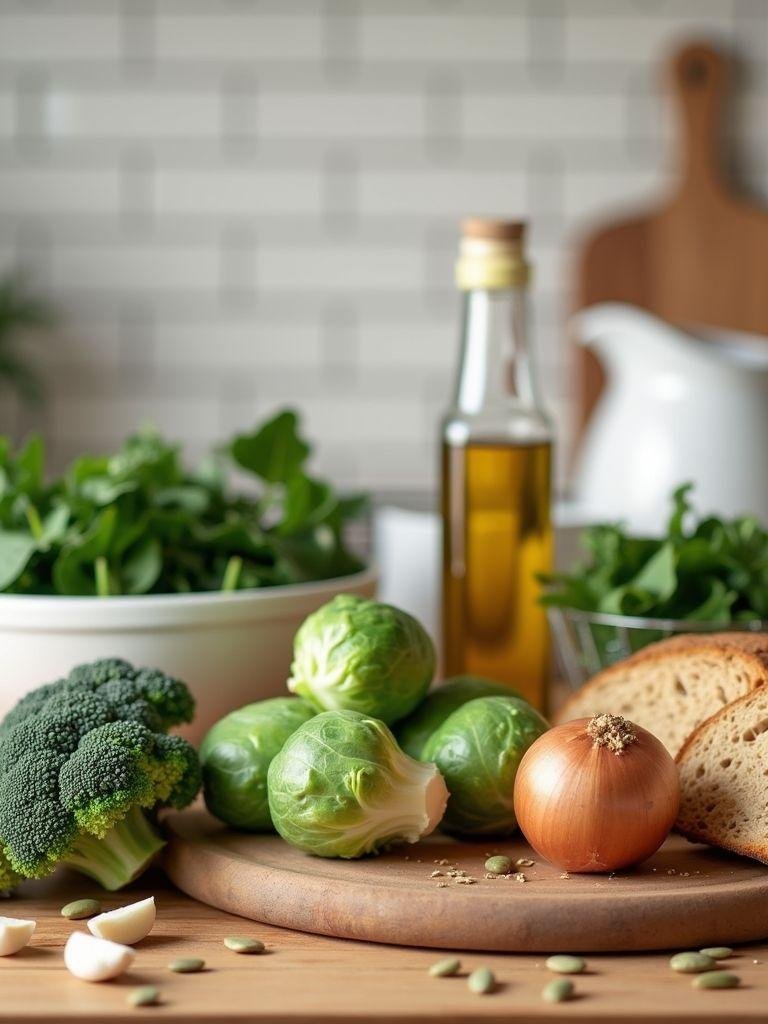
Table of Contents 6
Medical & Editorial Disclaimer (§3 Terms): This article is for informational and educational purposes only, does not constitute medical advice, diagnosis, or treatment, and is used at your own risk. Consult a qualified physician for medical conditions.
Key insights into senior nutrition highlight the importance of addressing changes in the digestive tract and oral cavity, where modifying food consistency can significantly aid consumption. Protein stands out as a vital macronutrient, essential for tissue regeneration and supporting muscle strength which tends to decline over time. Incorporating high-quality sources such as marine fish and dairy, alongside a wealth of antioxidants from colorful vegetables and fruits, helps protect the body and maintain cellular integrity.
For daily health, focus on integrating nutrient-dense ingredients like whole-grain rye, avocado, and leafy greens into easily digestible meals. Utilizing healthy oils such as extra virgin olive oil and flaxseed oil provides essential fats, while aromatic herbs can enhance flavor when sensory perception diminishes. Preparing meals like creamy vegetable soups or blended smoothies ensures that essential vitamins and minerals are consumed comfortably, contributing to a balanced and supportive dietary routine for seniors.
The evolving body of the elderly
Fundamental nutrients indispensable for the elderly
Senior's diet plan - an exemplary recipe
Second breakfast - a cocktail laden with antioxidants
The evening meal consists of baked salmon with bulgur rice
Dinner – Creamy soup of green vegetables
Want to apply these guidelines in your daily diet?
Our smart diet generator creates a tailored meal plan in 3 minutes based on the recommendations in this article.

mgr Tim Klein
• 22.03.2026Diets Premium Expert
Diets Premium team expert. Specializes in nutrition plans, strength sports, and training plans.