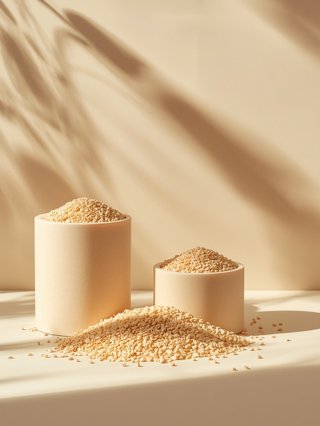
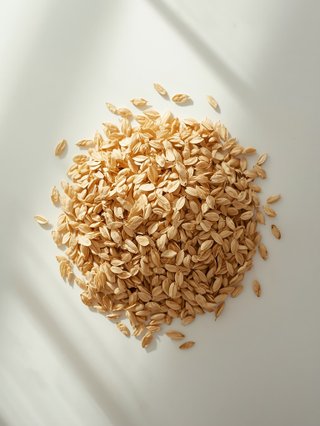
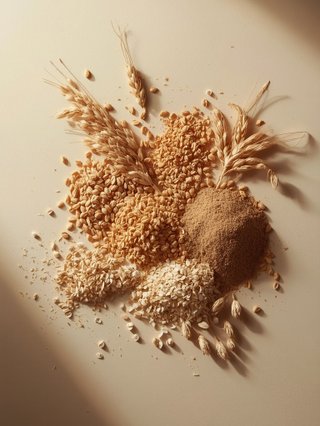
Wheat bran as a byproduct of wheat milling – nutritional profile, fiber, and clinical application
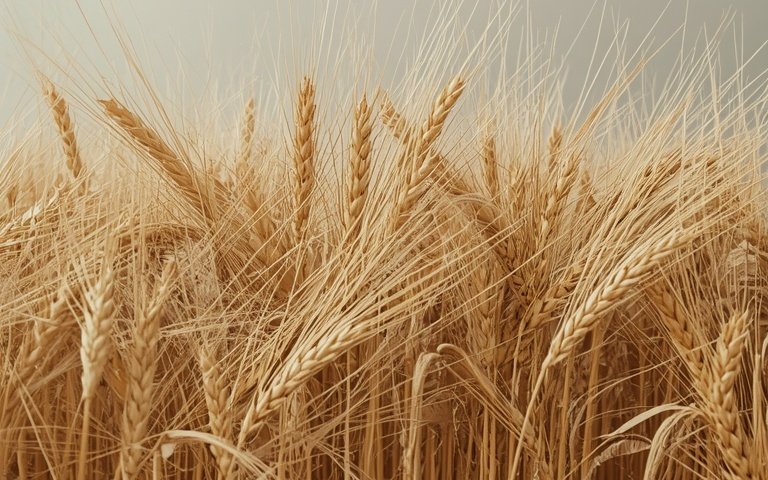
Table of Contents 3
Medical & Editorial Disclaimer (§3 Terms): This article is for informational and educational purposes only, does not constitute medical advice, diagnosis, or treatment, and is used at your own risk. Consult a qualified physician for medical conditions.
The primary health benefits are driven by a robust profile of insoluble dietary fiber, which plays a crucial role in gastrointestinal mechanics. By absorbing water and increasing chyme volume, it effectively slows gastric emptying and promotes a sustained sense of fullness, which is particularly beneficial for weight management. Beyond fiber, the presence of plant-based proteins and phenolic antioxidants contributes to a favorable nutritional environment, supporting regular peristalsis and overall gut integrity without adding excessive caloric density.
Practical application in daily life is highly versatile due to the mild flavor and adaptable texture of the bran. It can be effortlessly stirred into morning staples like yogurt or kefir, or used as a nutritional booster in whole-grain breads, pancakes, and omelets. Additionally, it serves as an excellent natural thickening agent for savory soups and sauces. For optimal results, it is encouraged to incorporate these products gradually into the diet while maintaining adequate hydration to ensure the fiber functions effectively within the digestive system.
Residual materials generated during the mechanical separation of seed coats from wheat kernels comprise a composite mixture of glume fragments, pericarp membranes, and fine particulate matter originally enveloping the seeds. These fractions are obtained both in the preliminary abrasive processing of grains intended for wheat flour or groat production and in subsequent milling stages, where—due to their fiber content and potential contaminants—they are systematically removed as undesirable components that compromise the purity and refinement of the final milled product. Although the cereal processing industry categorizes them as low-value technological waste with limited commercial applicability, contemporary clinical nutrition science emphasizes their rich composition of dietary fiber, bioactive phenolic compounds, and trace minerals, positioning them as a valuable nutritional adjunct in the prevention and adjunctive management of diverse pathological conditions, including metabolic disorders and gastrointestinal diseases.
Nutritional Profile and Bioactive Constituents of Wheat Bran
Wheat bran is characterized by an exceptionally high dietary fiber content and a favorable nutrient profile compared to refined cereal products. The water-insoluble dietary fiber fraction contained within increases the volume of chyme in the gastrointestinal tract, which slows gastric emptying and contributes to prolonged satiety, making it an ideal addition to weight reduction diets.
Furthermore, these insoluble fiber fractions bind water, increase stool bulk, and effectively support peristalsis, thereby preventing chronic constipation provided that daily fluid intake is adequate. Clinical studies also confirm that wheat bran helps stabilize postprandial blood glucose and insulin levels while regulating serum cholesterol by binding bile acids.
In addition to dietary fiber, wheat bran and cereal residues supply valuable minerals such as potassium, phosphorus, magnesium, iron, zinc, manganese, and copper. Magnesium and zinc, in particular, function as essential cofactors in numerous enzyme systems governing energy metabolism. This profile is further enhanced by B-group vitamins (thiamine B1, niacin B3, pyridoxine B6) and tocopherols (vitamin E), which act as powerful antioxidants combating oxidative stress and protecting the cardiovascular system.
Energy Value and Macronutrient Distribution
Despite their nutrient-dense composition, wheat processing residues exhibit a moderate energy density, making them an excellent addition to calorie-conscious dietary plans.
100 grams of wheat bran provide on average:
- Energy: approx. 185 kcal
- Carbohydrates: approx. 19.5 g (with a minimal fraction of simple sugars)
- Dietary fiber: approx. 42.0 g (main constituent of the dry matter)
- Protein: approx. 16.0 g (plant-based protein with a favorable amino acid spectrum)
- Fat: approx. 4.6 g (predominantly unsaturated fatty acids derived from adjacent germ tissue)
Due to this specific ratio of high fiber and protein concentration combined with a moderate calorie amount, wheat bran fractions effectively contribute to appetite regulation and support metabolic processes without excessive caloric intake.
Clinical Application and Culinary Integration
Wheat bran can be seamlessly integrated into the daily menu due to its neutral texture and mild flavor. It can be utilized in both cold and warm dishes to substantially increase nutritional value and dietary fiber content.
Common culinary applications include:
- Stirring into dairy products such as yogurt, kefir, or buttermilk for breakfast.
- Adding as a flour substitute or supplement when preparing omelets, pancakes, or whole-grain bread.
- Naturally thickening soups, sauces, or minced meat mixtures.
- Using as a non-stick coating agent when dusting baking pans.
Important clinical note: When increasing dietary fiber intake through cereal residues, adequate hydration is absolutely mandatory. Insufficient fluid intake combined with high amounts of insoluble fiber can otherwise lead to gastrointestinal discomfort, cramping, and a paradoxical worsening of constipation.
Want to apply these guidelines in your daily diet?
Our smart diet generator creates a tailored meal plan in 3 minutes based on the recommendations in this article.
Tags

Mia Hoffmann
• 25.11.2026Diets Premium Expert
Diets Premium team expert. Specializes in nutrition plans, strength sports, and training plans.