What dishes can be prepared with melon? What varieties of melon do we distinguish and what are the nutritional values of these fruits?
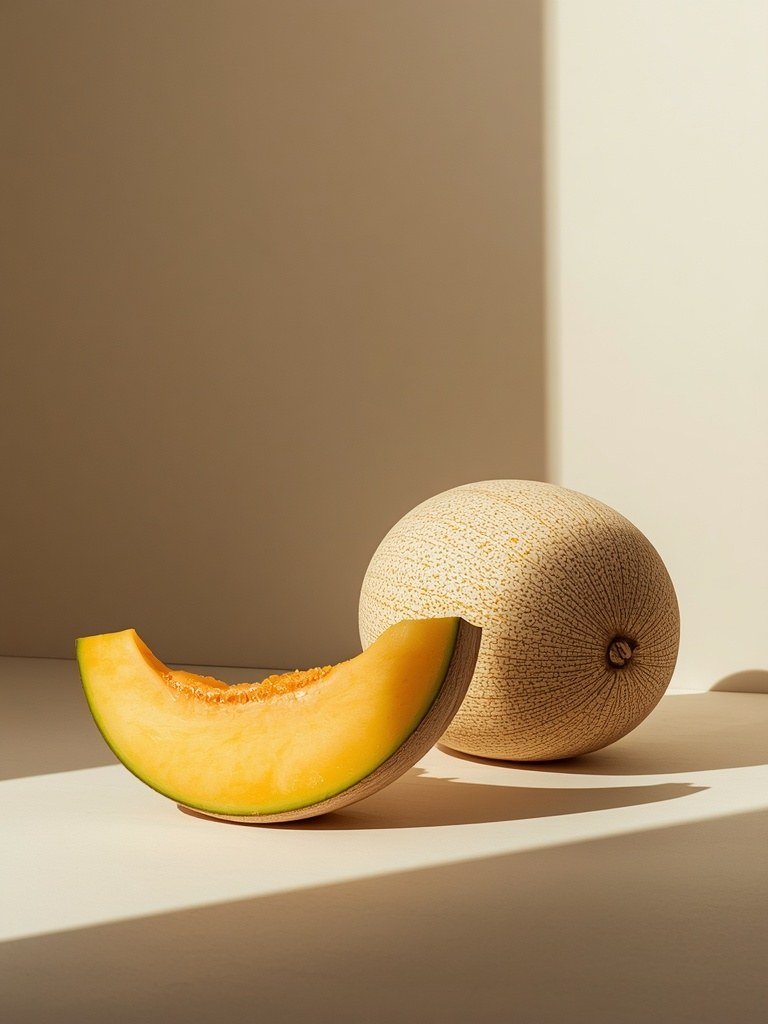
Table of Contents 5
Medical & Editorial Disclaimer (§3 Terms): This article is for informational and educational purposes only, does not constitute medical advice, diagnosis, or treatment, and is used at your own risk. Consult a qualified physician for medical conditions.
Exploring the diverse spectrum of melon varieties reveals a rich palette of flesh colors ranging from snow-white and pale green to golden-yellow and deep orange, each offering targeted physiological benefits. The netted Galia cultivar stands out for its reticulated rind and creamy, fragrant pulp, whereas the yellow-green honeydew melon supplies substantial potassium to help maintain normal blood pressure alongside folic acid and B-vitamins that support metabolic processes and nervous system function. Meanwhile, the cantaloupe melon, originating from Africa and long cherished across the Mediterranean and Middle East, features vibrant orange flesh packed with antioxidants, electrolytes, and essential micronutrients.
Incorporating ripe melon into daily meal planning offers exceptional culinary versatility for individuals monitoring their energy intake, as the fruit transitions seamlessly from light snacks and smoothies to savory salads and composed dishes. Despite its pleasant natural sweetness, melon remains a light and nourishing addition to a balanced diet. For an actionable and wholesome treat, home cooks can easily prepare a refreshing sorbet by blending the scooped flesh of a ripe cantaloupe or honeydew with fresh lemon juice, raw honey, and filtered water.
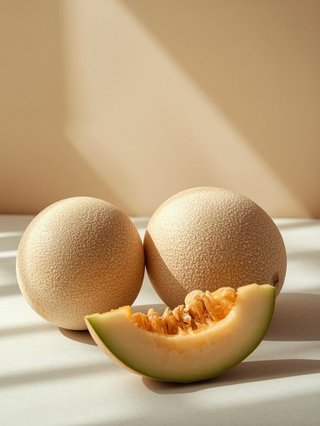
Netted galia-type melon featuring a juicy, creamy pale-green pulp with a maximum rind thickness of 10 millimeters
This particular melon cultivar stands out due to its distinctive external appearance, as its outer rind is enveloped in a fine, reticulated netting pattern that forms a recognizable texture. Inside, it conceals an exceptionally fragrant, creamy off-white pulp with subtle greenish undertones, characterized by pronounced sweetness and succulence. Owing to these attributes, it serves as an excellent component in fruit compositions, desserts, or as a refreshing standalone snack. Furthermore, owing to its substantial potassium content—a key electrolyte—regular consumption of this fruit may contribute to maintaining optimal arterial blood pressure levels, thereby representing a valuable element in cardiovascular health maintenance.
Honeydew melon variety featuring a yellow-green rind and juicy, pale green flesh
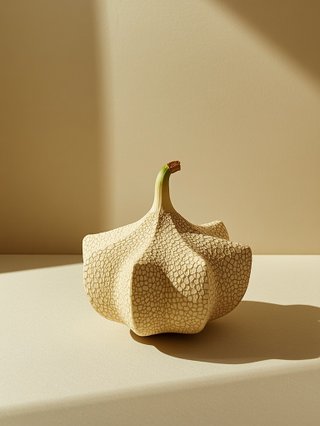
The color diversity of melons: from snow-white to vibrant green and golden-yellow
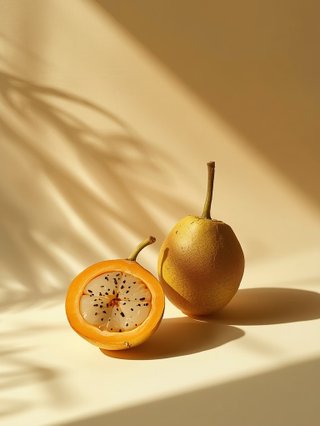
Depending on the specific cultivar, melons may exhibit a broad spectrum of hues—ranging from pristine white and soft orange tones to sunlit yellow and delicate green shades. Each variety possesses a distinct flavor and aromatic profile, though the majority are characterized by pronounced sweetness and exceptional juiciness. Beyond their culinary appeal, the nutritional and health-promoting attributes of these fruits are equally noteworthy. Despite their substantial natural sugar content, melons remain relatively low in calories. They serve as a valuable source of beta-carotene—a precursor to vitamin A—as well as folic acid, pectin (which supports digestive regulation), and an array of B vitamins, vitamin C, and essential minerals, including potassium (which aids electrolyte balance), iron (critical for hematopoiesis), and magnesium (which governs muscle and nervous system function).
Cantaloupe melon: A nutrient-dense, antioxidant-rich fruit with African origins and extensive health-promoting properties
What do you do with the melon?
Want to apply these guidelines in your daily diet?
Our smart diet generator creates a tailored meal plan in 3 minutes based on the recommendations in this article.

mgr Emilia Szymańska
• 25.09.2026Diets Premium Expert
Diets Premium team expert. Specializes in nutrition plans, strength sports, and training plans.