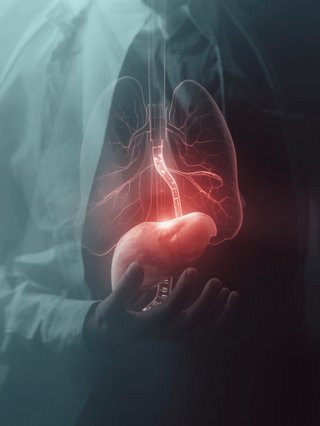
Liver - structure and functions of the largest internal secretion organ in the human body
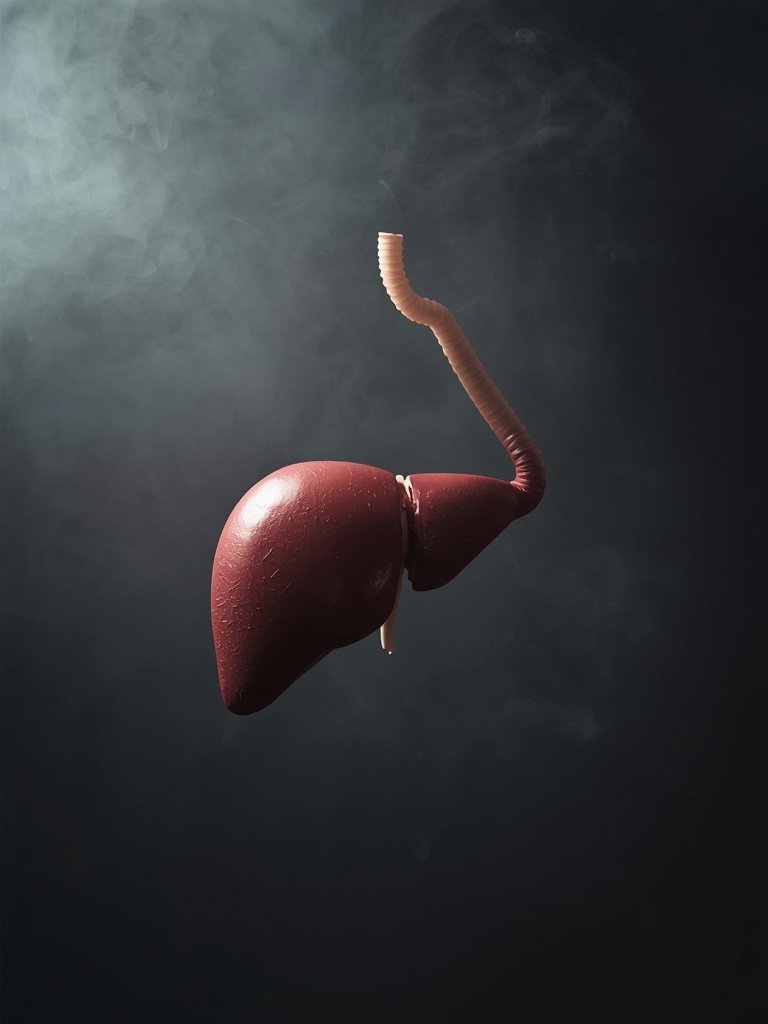
Table of Contents 2
Medical & Editorial Disclaimer (§3 Terms): This article is for informational and educational purposes only, does not constitute medical advice, diagnosis, or treatment, and is used at your own risk. Consult a qualified physician for medical conditions.
Anatomically sheltered beneath the right costal arch and directly inferior to the diaphragm, the liver is insulated from adjacent abdominal structures like the stomach and intestines by the visceral peritoneum. This strategic positioning supports its extensive responsibilities, which encompass the filtration of blood, removal of metabolic waste, and storage of essential nutrients. Furthermore, the liver acts as a vital exocrine gland by synthesizing bile, a substance crucial for proper fat digestion and fluid regulation throughout the body.
Fostering long-term liver function relies on daily nutrition and lifestyle practices that honor its continuous metabolic workload. Consuming a balanced diet that supports ease of digestion reduces stress on this complex filtration system. By adopting mindful dietary habits, individuals can support the liver's natural metabolic processes, ensuring optimal nutrient utilization and overall vitality without overburdening this essential organ.
Anatomical architecture and functional organization of the liver as the body’s primary metabolic hub
The liver’s pivotal role: essential metabolic and detoxification processes in the human body
Want to apply these guidelines in your daily diet?
Our smart diet generator creates a tailored meal plan in 3 minutes based on the recommendations in this article.
Tags

mgr Mateusz Pawlak
• 25.11.2026Diets Premium Expert
Diets Premium team expert. Specializes in nutrition plans, strength sports, and training plans.