Insectivory test – we check if it's worth including insect dishes in the diet

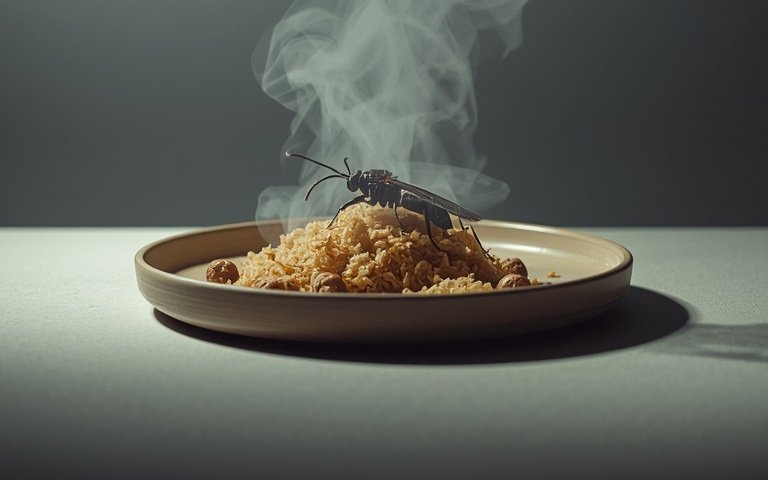
Table of Contents 3
Medical & Editorial Disclaimer (§3 Terms): This article is for informational and educational purposes only, does not constitute medical advice, diagnosis, or treatment, and is used at your own risk. Consult a qualified physician for medical conditions.
The examination of entomophagy reveals compelling arguments for insect consumption that extend beyond mere curiosity. Insects represent an excellent source of highly bioavailable complete proteins and a broad spectrum of B vitamins. Their inclusion in the diet can offer not only nutritional advantages but also contribute to environmental sustainability, as their farming often requires fewer resources compared to traditional livestock.
Practically, this means we should be open to new culinary inspirations from various corners of the globe. There is an astonishing diversity of edible insect species available in fresh, dried, or canned forms, which can enrich our dietary choices. Integrating insect dishes can be a conscious decision that supports both individual nutrition and broader sustainability goals.
From prehistoric times, insects have played a significant role in human nutrition. Nowadays, almost 80 percent of the global population consumes insects, primarily those residing in Africa, Asia, and South America. Should we, as Europeans, also consider incorporating entomophagy into our diets?
Insect consumption as a dietary source (entomophagy)
Entomophagy refers to the deliberate consumption of insects as a component of daily nutrition. The term *entomophage* thus designates an individual who routinely or occasionally incorporates dishes prepared from these arthropods into their diet. Available evidence suggests that this practice is observed among nearly **300,000 distinct ethnic groups** globally, underscoring its deep-rooted presence in diverse culinary traditions and cultural frameworks.
Insect food
It seems that insect snacks will be an absolute culinary hit of the coming season.. There are about 2 thousand species of edible insects.. From such a menu, everyone will surely be able to choose something for themselves.. Maybe it's worth drawing culinary inspiration from the farthest corners of the world? Butterflies and their larvae and pupae are a delicacy of African peoples.. They can be purchased at local markets in fresh, dried, or preserved form.. In this part of the world, Mopane caterpillars are also popular, most often eaten as a side dish with cornmeal. Indigenous Australians practice eating termites. It is said that the queen of the colony is a true rarity and is usually reserved for consumption by an elder as a sign of respect. Indonesian and Malaysian cuisine are famous for dishes made from weevil larvae, which taste like bacon. They are eaten alive or deep-fried. For Asians, insects have become part of the daily menu. This is also why there is a diversity of dishes where they are a main ingredient. Fried locusts, for example, are a favorite snack of Thai people. Their taste is often compared to chicken cooked in a similar way with a noticeable, nutty flavor. In Japan, crackers with ants and candied grasshoppers, known as inago, are sold. Tribes living in the Amazon basin get a crunchy snack from beetles. Roasted over hot coals resemble popcorn that everyone loves. Interestingly, in South America, instead of roasted corn, roasted ant larvae are sold in cinemas. Insects are an important element of traditional Mexican cuisine. Chapulines, crickets fried with garlic and hot pepper, are very popular. In the southeastern part of the country, you can taste Gusano worms, which are usually served with guacamole. Ahuahutle, or "Mexican caviar," made from several species of aquatic true bugs, is famous worldwide. The Californian company Hotlix offers unusual sweets with insect additions. Among their offerings, we can find treats such as cricket lollipops, scorpions in chocolate, and pralines with ant filling. Insects are an excellent source of easily digestible protein. Few European countries can boast similar types of dishes in their national cuisines. Casu Marzu is prepared in Sardinia. It is a type of sheep cheese containing live fly larvae. However, the current EU policy is aimed at changing dietary strategies and popularizing insects in the menus of member states' citizens. In Poland, we have found several places where we can taste similar types of dishes. The Warsaw restaurant CO TO TO JE serves, among others, wood-borer skewers, roasted larvae, or camembert with flour beetle larvae, served in wine. To the brave belongs the world! If you want to try your hand in the kitchen and take on preparing a meal based on insects, you can draw inspiration from books or use recipes found on the internet (e.g., insectsarefood.com). Necessary products are becoming easier to find, and some can already be found on store shelves. You say that entomophagy is not for you? Meanwhile, there is a high probability that you have already tasted an insect without even realizing it. A commonly used food coloring is cochineal produced from cactus cochineals. It is an ingredient in some strawberry-flavored yogurts, drinks, and pharmaceutical products.
The compelling case for insect consumption: A thorough exploration of nutritional advantages, environmental sustainability, and the transformative potential of entomophagy in modern diets
As global culinary boundaries continue to expand and once-unfamiliar ingredients gain mainstream acceptance, insects are transitioning from novelty snacks to nutritionally dense components of balanced diets. Their consumption should not be motivated solely by adventurous palates or trend-following behavior, but rather by a deliberate choice grounded in well-documented scientific benefits. Insects represent an unparalleled source of highly bioavailable complete proteins, a full spectrum of B vitamins, essential unsaturated fatty acids, and trace minerals—including heme iron, magnesium, and selenium—whose absorption rates frequently surpass those of conventional food sources. Their nutritional profile positions them as an optimal substitute for traditional meat products, particularly for vulnerable populations such as pregnant and lactating women, as well as growing children. Moreover, most edible insect species contain substantial levels of omega-3 fatty acids, the deficiency of which is endemic in contemporary Western diets. The environmental footprint of insect farming is remarkably low: compared to livestock production, it requires up to 90% less land, generates up to 100 times fewer greenhouse gas emissions per kilogram of protein, and consumes negligible water resources. Their rapid reproductive cycles and exceptional feed conversion ratios make them a critical solution in addressing global food insecurity. Could insects therefore become the cornerstone of sustainable nutrition? Explore how affordability, gastronomic appeal, and health benefits can coalesce while simultaneously advancing planetary well-being.
Want to apply these guidelines in your daily diet?
Our smart diet generator creates a tailored meal plan in 3 minutes based on the recommendations in this article.

Katarzyna Mazur
• 23.10.2026Diets Premium Expert
Diets Premium team expert. Specializes in nutrition plans, strength sports, and training plans.