Shingles (Herpes zoster) – clinical symptoms, VZV reactivation, pharmacotherapy, and nutritional support
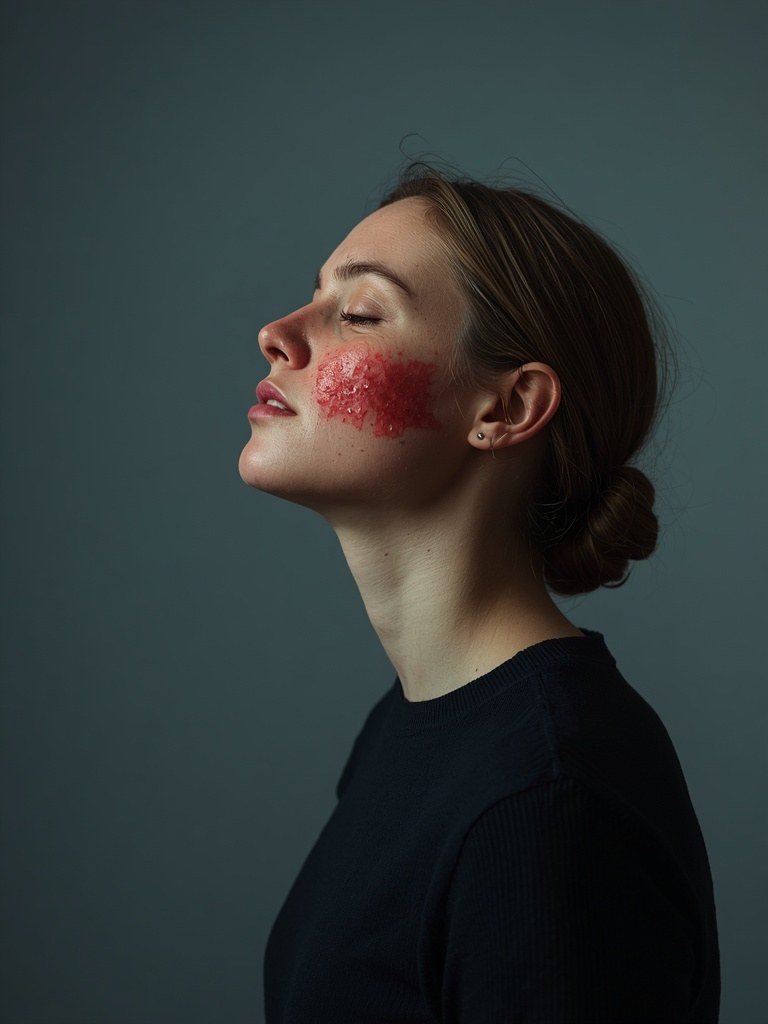
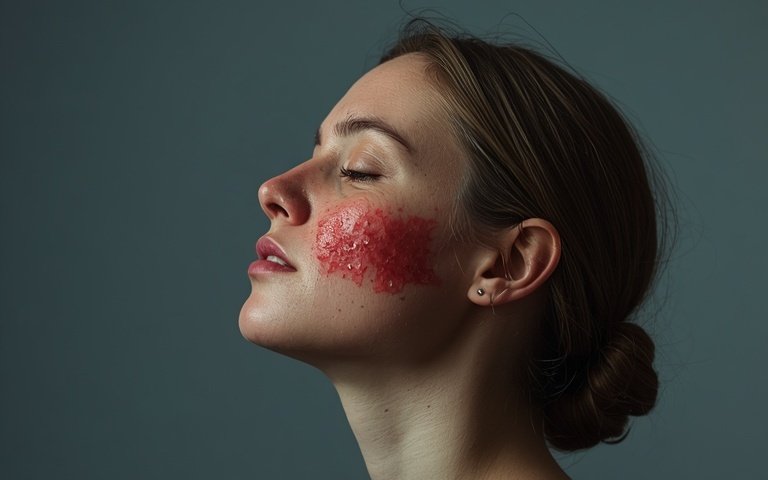
Table of Contents 6
Medical & Editorial Disclaimer (§3 Terms): This article is for informational and educational purposes only, does not constitute medical advice, diagnosis, or treatment, and is used at your own risk. Consult a qualified physician for medical conditions.
The clinical progression involves distinct phases, starting with localized sensitivity and evolving into vesicular rashes that follow specific anatomical boundaries. Prompt antiviral intervention is the standard approach to limit viral spread and encourage skin healing. A major focus of clinical management is the prevention of postherpetic neuralgia, a chronic pain condition caused by persistent inflammation and injury to the peripheral axons, which highlights the importance of protecting nerve integrity during the acute phase.
Nutritional strategies focus on immunomodulation and supporting the repair of the nervous system through specific amino acids and micronutrients. Balancing the intake of L-lysine against arginine is a key dietary principle, as certain proteins found in fish and poultry may help suppress viral assembly compared to high-arginine foods like nuts. Furthermore, neurotropic B-complex vitamins are essential for myelin sheath restoration, providing a foundational layer of support for nerve recovery and overall immune resilience.
Herpes zoster (shingles) is a localized infectious disease resulting from the reactivation of latent Varicella-zoster virus (VZV) residing dormant within sensory dorsal root or cranial ganglia following primary chickenpox. When cell-mediated immunity declines, viral replication triggers unilateral, excruciating neuralgic pain accompanied by dermatomal vesicular eruptions. How is antiviral pharmacotherapy optimized, what prevents postherpetic neuralgia (PHN), and how does targeted nutritional support—specifically L-lysine and B-complex vitamins—enhance recovery?
Etiology and Latent VZV Reactivation
Herpes zoster is caused by the reactivation of Varicella-zoster virus (VZV), an alphaherpesvirus responsible for primary chickenpox (varicella). Following resolution of childhood varicella, VZV retrogradely ascends peripheral sensory axons to establish lifelong latency in sensory neurons of the dorsal root and cranial nerve ganglia. Decades later, when cellular immunity wanes due to immunosenescence, severe physiological stress, immunosuppressive therapy, oncological disease, or HIV infection, viral particles replicate, traveling anterograde along the nerve to infect the corresponding dermatome.
Clinical Phases and Dermatomal Symptoms
The clinical course encompasses a prodromal phase followed by acute dermatomal exanthema. The prodrome (lasting 2 to 5 days) presents with intense burning, lancinating radicular pain, allodynia, paresthesia, and localized pruritus, occasionally accompanied by low-grade fever and malaise. Subsequently, an erythematous maculopapular rash rapidly evolves into grouped clear vesicles that ulcerate and form crusts over 7 to 10 days. The eruption strictly respects anatomical dermatomal boundaries, seldom crossing the midline, most commonly manifesting across thoracic intercostal distributions or ophthalmic branches of the trigeminal nerve.
Contagion and Transmission Pathways of VZV
Unlike airborne varicella, Herpes zoster is not readily transmitted via respiratory aerosols; however, active blister fluid contains infectious viral particles. Contact with uncrusted vesicular fluid can transmit VZV to seronegative, non-immune individuals, in whom it causes primary chickenpox rather than shingles. Susceptible populations—notably pregnant women and immunocompromised patients—must avoid contact with active lesions. Transmission risk ceases entirely once all cutaneous vesicles have dried into hard crusts.
Antiviral Pharmacotherapy and Analgesic Protocols
The cornerstone of evidence-based Herpes zoster management is prompt initiation of antiviral therapy—ideally within 72 hours of rash onset. Oral nucleoside analogs targeting viral DNA polymerase constitute standard first-line treatment: acyclovir, valacyclovir, or famciclovir. Rapid antiviral intervention blunts viral dissemination, accelerates cutaneous re-epithelialization, and substantially attenuates neural inflammation. Concomitant analgesia is imperative, incorporating non-opioids for somatic pain and gabapentinoids (pregabalin or gabapentin) for neuropathic pain control.
Disease Course and Postherpetic Neuralgia (PHN)
The acute cutaneous episode typically resolves within 2 to 4 weeks. However, the most debilitating long-term sequel is Postherpetic Neuralgia (PHN), defined as persistent neuropathic pain enduring more than 90 days following rash onset. PHN risk correlates strongly with advancing age, affecting up to 20–30% of patients over age 65 due to chronic inflammation and permanent peripheral axonal injury. Other severe clinical complications include Ramsay Hunt syndrome (facial nerve palsy) and herpes zoster ophthalmicus, which poses severe risks of corneal perforation and blindness.
Nutritional Immunomodulation: Amino Acids and Neuroprotective Micronutrients
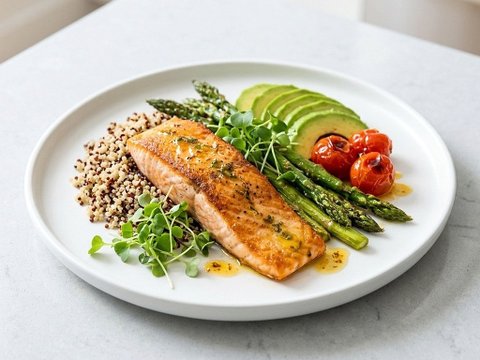
Nutritional therapy during Herpes zoster focuses on immunomodulation and peripheral nerve myelination repair: 1. L-lysine to L-arginine balance: Herpesviruses require arginine for viral protein synthesis; elevating L-lysine intake (wild fish, pastured poultry, eggs, cottage cheese) while moderating high-arginine foods (nuts, chocolate, gelatin) suppresses viral assembly; 2. Neurotropic B-vitamins (B1, B6, methyl-B12): essential for myelin sheath repair and mitigating postherpetic neuralgia severity; 3. Targeted antioxidants: therapeutic dosages of vitamin C, zinc, and selenium stimulate natural killer cell activity; 4. Anti-inflammatory dietary pattern: rich in marine omega-3 fatty acids and polyphenol-dense vegetables, strictly avoiding refined sugars that impair neutrophil phagocytosis.
Want to apply these guidelines in your daily diet?
Our smart diet generator creates a tailored meal plan in 3 minutes based on the recommendations in this article.

Lena Bauer
• 25.11.2026Diets Premium Expert
Diets Premium team expert. Specializes in nutrition plans, strength sports, and training plans.